 Clearwater Roofing
 Skycrest Is a Tough Place on a House's Exterior
Skycrest is one of Clearwater's older, established neighborhoods, and homes here have spent decades absorbing everything the Pinellas County climate throws at them. That's not a small thing. Between hurricane-force wind events, near-constant UV exposure, wind-driven rain that finds every gap in a wall system, and salt-laden air drifting in off the Gulf, exterior siding in this part of Clearwater ages faster and fails differently than siding installed inland or in milder climates.
Most homeowners don't think about siding until it's visibly failing — cracking, buckling, staining, or letting moisture into the wall cavity. By the time those signs show up, the damage is usually further along than it looks from the curb. This page walks through what Skycrest homes specifically need from a siding system, what correct installation actually involves, and why we only install James Hardie fiber cement to do it.
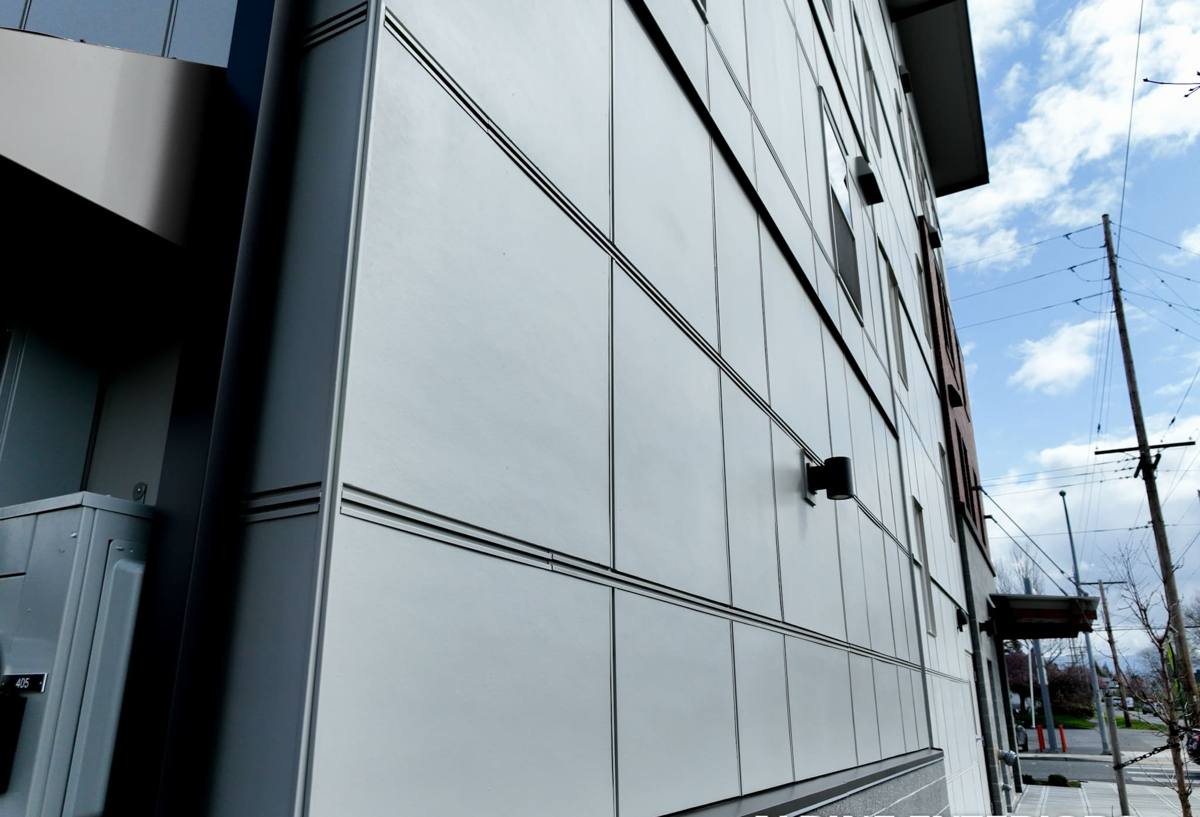
What This Climate Does to Siding Over Time
Wind
Clearwater sits in a hurricane-exposed wind zone, and even a season without a direct hit still brings tropical storms, squall lines, and straight-line wind events strong enough to test fastening, flashing, and panel edges. Siding that isn't rated and installed for local wind speeds can lift, crack at the corners, or separate from the wall — and once a gap opens, wind-driven rain gets behind the panel on the very next storm.
Wind-driven rain
Rain in Pinellas County rarely falls straight down. Storms push it sideways, which means siding has to shed water at laps, seams, and penetrations — not just on the flat face of the panel. A wall system that relies on caulk alone to keep water out, rather than proper overlap and a functioning weather-resistive barrier behind it, is a slow-motion moisture problem.
UV exposure
Florida's sun is relentless nearly year-round. UV breaks down pigments and surface coatings, which is why paint on lesser siding materials chalks, fades, and needs recoating on a short cycle. A factory-applied, baked-on finish holds color and integrity far longer than a field-applied paint job ever will.
Salt air
Clearwater's proximity to the Gulf means salt is present in the air even well inland from the beach itself. Salt accelerates corrosion of fasteners and trim, and it degrades organic and wood-based siding materials faster than materials built to resist moisture absorption.
What Skycrest's Housing Stock Means for a Siding Job
Skycrest has a mix of home ages, with a solid share of mid-century construction alongside newer infill and renovated properties. That mix matters for a siding project in a few practical ways:
- Older homes may have layers of prior siding, non-standard sheathing, or wall framing that doesn't match modern spacing assumptions — all of which need to be verified before installation, not discovered mid-job.
- Decades of prior repairs, added trim, or DIY patches can hide moisture damage that only shows up once old siding comes off.
- Homes that have never had a proper weather-resistive barrier behind the original siding are more likely to have some level of sheathing damage that needs addressing before new siding goes on.
None of this is unusual for a neighborhood with Skycrest's age profile — it's just why a real inspection, not a drive-by estimate, is the right starting point.
Why We Only Install James Hardie Fiber Cement
We made a deliberate decision to install James Hardie fiber cement siding exclusively — not vinyl, not LP SmartSide, not Cemplank or Allura, not primed wood. That's a narrower offering than most siding contractors give you, and we think that's the point.
Fiber cement is non-combustible and dimensionally stable in heat and humidity, which matters directly in a climate that swings between intense sun and heavy tropical moisture. James Hardie's ColorPlus finish is baked on at the factory under controlled conditions, which gives it a longer color life and better UV resistance than a field-applied coat. Hardie also engineers specific product lines — including HZ10 formulations for high-humidity, high-UV climates like ours — rather than selling one generic version everywhere in the country. And the warranty structure is transferable, which protects resale value if a Skycrest home changes hands down the road.
That doesn't mean other materials are worthless — vinyl and engineered wood products have real uses and real fans. It means that for what we're willing to put our name behind on a Clearwater roofline, in this climate, fiber cement done right is the standard we hold ourselves to.
What a Correct Siding Installation Actually Involves
The material is only half the equation. A James Hardie installation that fails to protect a Skycrest home usually fails because of installation shortcuts, not the product itself. A correct job includes:
- A functioning weather-resistive barrier installed and lapped correctly behind the siding, so any moisture that does get past the exterior surface has somewhere to drain.
- Proper flashing at windows, doors, roof-to-wall intersections, and any penetration — this is where wind-driven rain intrusion actually happens.
- Correct fastener type, spacing, and placement, matched to wind zone requirements rather than generic guesswork.
- Manufacturer-specified clearances from grade, roofing, and decks, so the bottom edge of the siding isn't sitting in a moisture trap.
- Caulking used as a supplement, not a substitute for correct lap and flashing technique.
- Field-cut edge sealing where panels are trimmed on site, protecting the cut edge from moisture absorption.
Skip any one of these and the siding may look fine for a year or two before problems show up — which is exactly why installation quality matters more than most homeowners realize when comparing bids.
Our Process
- On-site assessment. We inspect the existing siding, sheathing, and trim condition, not just measure square footage.
- Scope and product selection. We walk through James Hardie profiles and ColorPlus color options suited to the home and the neighborhood's character.
- Tear-off and substrate check. Old siding comes off and we inspect sheathing underneath for rot or moisture damage before anything new goes on.
- Weather barrier and flashing repair. Any compromised house wrap, flashing, or sheathing gets addressed before installation continues.
- Installation to manufacturer and local wind-zone specification. Correct fastening, lapping, and clearances throughout.
- Trim, caulking, and finish detailing. Clean lines at corners, windows, and transitions.
- Final walkthrough. We review the completed work with the homeowner before calling the job done.
Comparing Siding Approaches for This Climate
| Factor | Vinyl Siding | Engineered Wood (e.g., LP SmartSide) | James Hardie Fiber Cement |
|---|---|---|---|
| Hurricane wind performance | Can deform, crack, or blow off in high wind if not rated/installed precisely | Rigid, but panel edges are moisture-sensitive if compromised in wind events | Rigid, non-combustible, engineered for high-wind installation specs |
| UV / color retention | Field or extruded color can fade and chalk over time | Field-applied paint requires recoating on a shorter cycle | Factory-baked ColorPlus finish holds color significantly longer |
| Moisture behavior | Does not absorb water, but can trap it behind panels if installed poorly | Wood-based core is moisture-sensitive at cut edges and damage points | Engineered to resist moisture absorption and freeze-thaw-style swelling |
| Salt air resistance | Generally stable but fasteners/trim can corrode | Organic component more vulnerable to prolonged moisture/salt exposure | Cement-based composition resists salt-driven degradation well |
| Warranty structure | Varies widely by manufacturer and grade | Manufacturer-specific, often shorter on finish | Strong, transferable warranty backing the product |
Signs a Skycrest Home Needs New Siding
- Visible cracking, warping, or buckling panels, especially near corners or seams
- Soft or spongy spots when pressed, which can indicate moisture behind the siding
- Paint that's peeling, bubbling, or chalking heavily despite recent painting
- Persistent staining or discoloration that doesn't clean off
- Gaps opening at seams, trim, or window/door edges
- A musty smell or interior wall staining, which can point to moisture intrusion from outside
- Rising energy bills without another clear cause, which can indicate a compromised wall envelope
Why a Crew That Already Works Skycrest Matters
Siding installation isn't just a materials question — it's a local-knowledge question. A crew that regularly works in Clearwater and across Pinellas County already understands local wind-zone requirements, permitting expectations, and the kind of substrate issues common to this area's housing stock. That familiarity shortens the guesswork on your project: less time spent discovering surprises mid-job, more time spent doing the installation correctly the first time.
It also means faster response if something needs a follow-up look after a storm, and a crew that isn't learning Clearwater's climate demands on your house for the first time.
Maintenance and Warranty
One advantage of fiber cement over organic siding materials is how little ongoing maintenance it asks for. James Hardie's ColorPlus finish is designed to hold up without repainting on the short cycle that field-painted materials often require in this much sun. Periodic rinsing to clear salt residue and pollen, along with a visual check after major storms for any impact damage or lifted trim, is generally what's needed. James Hardie backs its products with a transferable warranty, which is worth reviewing in full so you know exactly what's covered and for how long — we'll walk through the specifics as part of any proposal.
If your Skycrest home's siding is showing its age, or you're planning ahead rather than waiting for a failure, we're happy to take a look and give you a straight, no-pressure assessment. Use the form below to request a free estimate.