 Clearwater Roofing
 Palm Harbor Siding Takes a Different Kind of Beating
Palm Harbor sits in Pinellas County just north of Clearwater, close enough to open water that homes here deal with a specific mix of stresses most inland properties never see. Wind-driven rain off the Gulf finds its way into seams and laps that would stay dry fifty miles inland. Salt air accelerates corrosion on fasteners, trim, and any metal flashing that isn't properly protected. Add in Florida's relentless year-round UV load and the occasional hurricane-force wind event, and siding on a Palm Harbor home is working harder than the same product would on a house in a milder climate.
None of that means siding is a bad investment here — it means repairs have to be done with those conditions in mind. A patch job that would hold up fine somewhere with less sun and less humidity can fail within a season or two on the Gulf coast if it's not installed correctly. That's the standard we hold every Palm Harbor repair to.
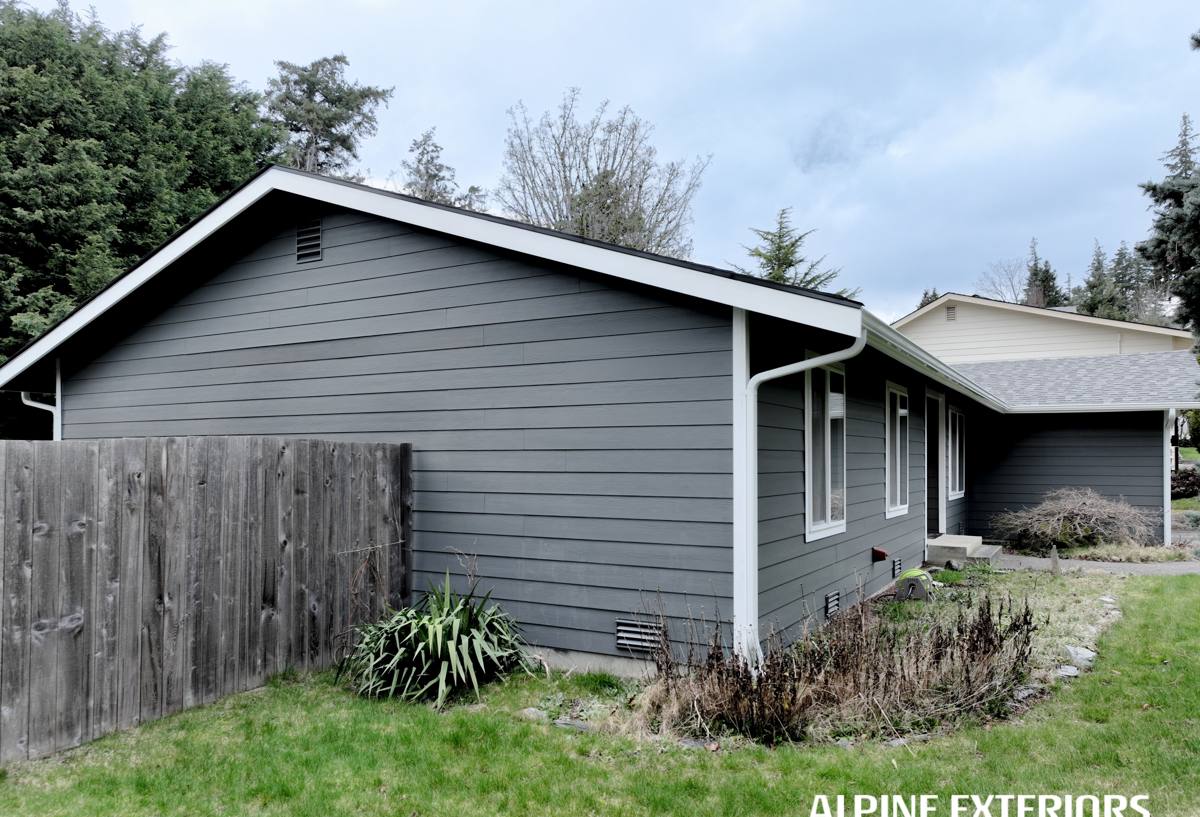
Signs Your Siding Needs Repair, Not Just a Look
Siding damage in this climate doesn't always announce itself with an obvious hole or crack. Some of the most costly problems start small and stay hidden behind the surface for months. Homeowners in Palm Harbor should watch for:
- Soft or spongy spots when you press on the siding, especially near the bottom courses or around windows and doors
- Visible cracking, splitting, or buckling panels, particularly after a windstorm
- Peeling or bubbling paint, which often signals moisture trapped underneath rather than a simple paint failure
- Streaking, dark staining, or a musty smell near exterior walls, which can point to water intrusion behind the siding
- Gaps opening up at seams, corners, or trim where caulking has dried out and shrunk in the sun
- Warping or rippling on older wood or engineered wood siding, especially on the side of the house that takes the most weather
- Rust streaks below fasteners or flashing, common near the coast where salt air speeds up corrosion
Any one of these can look minor from the ground. Behind the siding, though, they're often a sign that moisture has already reached the wall sheathing — and that's where a repair either solves the problem for good or just delays a much bigger one.
What a Correct Siding Repair Actually Involves
Diagnosing the Real Cause, Not Just the Symptom
A siding repair that just replaces the damaged piece and moves on is only half a repair. The more important question is why that section failed in the first place. Was water getting behind it through a bad seam? Was flashing at a window or roofline missing or installed wrong? Was the original installation too tight to allow for expansion and contraction? Skipping this step means the replacement piece is likely to fail the same way, on the same timeline.
Matching Materials and Water Management
Once the cause is identified, the repair itself needs to restore — or improve — the wall's water management. That means correct flashing at any penetration, proper overlap and fastening, and matching the replacement material's thickness and profile so it doesn't create a new weak point next to the old siding. In a coastal climate, corner and butt joints deserve extra attention, since those are the spots wind-driven rain hits hardest.
Finish and Color Continuity
Repairs also need to look like they belong. Factory-finished siding systems hold their color far more evenly over time than field-painted patches, which is one reason mismatched repairs are so common on older homes that have been patched piecemeal over the years.
Repair or Replace? How We Help You Decide
Not every damaged section needs a full re-side, but not every repair is worth doing either. The table below reflects the factors we actually walk through with Palm Harbor homeowners during an inspection.
| Factor | Repair Usually Makes Sense | Replacement Usually Makes Sense |
|---|---|---|
| Extent of damage | Isolated to one or two sections or elevations | Widespread across multiple walls |
| Underlying sheathing | Dry, sound wood behind the siding | Soft, rotted, or water-stained sheathing found during inspection |
| Age of existing siding | Siding is younger and otherwise in good condition | Siding is near or past its expected service life |
| Material on the house | Durable material still performing well overall | Original material has a pattern of recurring failures |
| Cause of damage | One-time event, like impact damage, with no ongoing moisture issue | Chronic moisture intrusion pointing to a systemic installation problem |
We won't recommend a full re-side when a targeted repair will genuinely hold up — but we also won't patch over a problem that's going to reopen in a year, especially on a home exposed to Pinellas County's storm season.
Why Material Choice Matters Even for a Repair
When we repair siding, we only use James Hardie fiber cement — we don't install vinyl, LP SmartSide, Cemplank, Allura, or unprimed wood species like spruce or cedar, even for patch work. That's a deliberate standard, not a sales preference. Fiber cement doesn't absorb water the way wood-based products can, it doesn't soften or warp under sustained coastal humidity, and it holds a factory ColorPlus finish that resists fading far longer than field-applied paint on repaired sections.
We understand other products have real advantages — vinyl is inexpensive and low-maintenance in mild climates, and engineered wood siding can look good at a lower upfront cost. But in a wind-driven-rain, high-UV, salt-air environment like Palm Harbor's, we've seen those products struggle in ways fiber cement doesn't: seams that gap under thermal movement, edges that swell if moisture gets in, and finishes that chalk or fade faster than a coastal home can tolerate. James Hardie's HZ5 product line is engineered specifically for high-humidity, hurricane-zone climates like ours, which is why it's the only system we stand behind for both new installs and repairs.
If your home currently has a different siding material and needs a repair, we'll be straightforward with you about what we can patch to match, what we'd recommend replacing outright, and why — without pressuring you into a full re-side you don't need.
Our Repair Process for Palm Harbor Homes
1. On-Site Inspection
We look beyond the visible damage — checking flashing, caulking, fastener condition, and probing for soft sheathing behind affected sections.
2. Honest Scope and Estimate
You get a clear explanation of what caused the damage, what the repair will involve, and a straightforward, no-pressure estimate before any work starts.
3. The Repair Itself
Damaged sections are removed, the wall assembly is checked and corrected if needed, and new Hardie material is installed with proper flashing, fastening, and joint treatment.
4. Finish and Cleanup
Color-matched finish work, a final walk-through, and full site cleanup — we don't leave a repair looking like a patch job.
Why Hiring a Crew That Already Works Palm Harbor Matters
Siding repair in Palm Harbor isn't quite the same job as siding repair inland. A crew that regularly works in Pinellas County knows the local permitting expectations, understands how Florida Building Code wind-load and water-resistive barrier requirements apply to repair work, and has already seen how homes in this area — from older canal-front properties to newer construction — tend to fail when siding wasn't installed with coastal exposure in mind. That experience shows up in the details: which corners of a house take the worst weather, which flashing details get skipped most often on older homes, and what a lasting repair actually requires here versus what a general handyman crew might assume from experience elsewhere.
It also matters after the work is done. A crew that's established locally is one you can actually reach if a question comes up down the road — not a name that only shows up for the one job and then disappears.
Keeping Your Siding in Good Shape After the Repair
A correct repair should hold up for years, but a little upkeep goes a long way in this climate:
- Rinse salt residue and grime off exterior walls periodically, especially on sides facing open water or prevailing wind
- Re-caulk seams and trim joints proactively if you notice them drying out, rather than waiting for a gap to open
- Keep an eye on areas near sprinklers and irrigation, where constant moisture exposure can undo an otherwise solid repair
- Have your siding looked at after any major storm, even if there's no obvious damage from the ground
If you're seeing warning signs on your Palm Harbor home, or you just want an honest read on whether a section needs a repair or something more, we're happy to come take a look. The estimate is free, there's no pressure attached to it, and you'll get a straight answer about what your siding actually needs.