 Clearwater Roofing
 Siding Repair Built for Safety Harbor's Waterfront Climate
Safety Harbor sits along the western shore of Old Tampa Bay in Pinellas County, and that location shapes how siding ages here. Homes range from older bungalows shaded by mature oak canopy to newer construction closer to the water, but almost every house in the area is dealing with the same combination of forces: humid air that barely lets up, sun that hits hard for most of the year, and the real possibility of hurricane-force wind and wind-driven rain during storm season.
Siding repair in a climate like this isn't just cosmetic patchwork. Done wrong, a "quick fix" traps moisture behind the wall, hides a bigger problem, or fails again in the next storm. Done right, it stops water intrusion, restores the look of the house, and buys years of protection. This page covers what actually damages siding in Safety Harbor, how to tell when repair is the right call, and what a correct repair job looks like when it's done by a crew that treats this climate seriously.
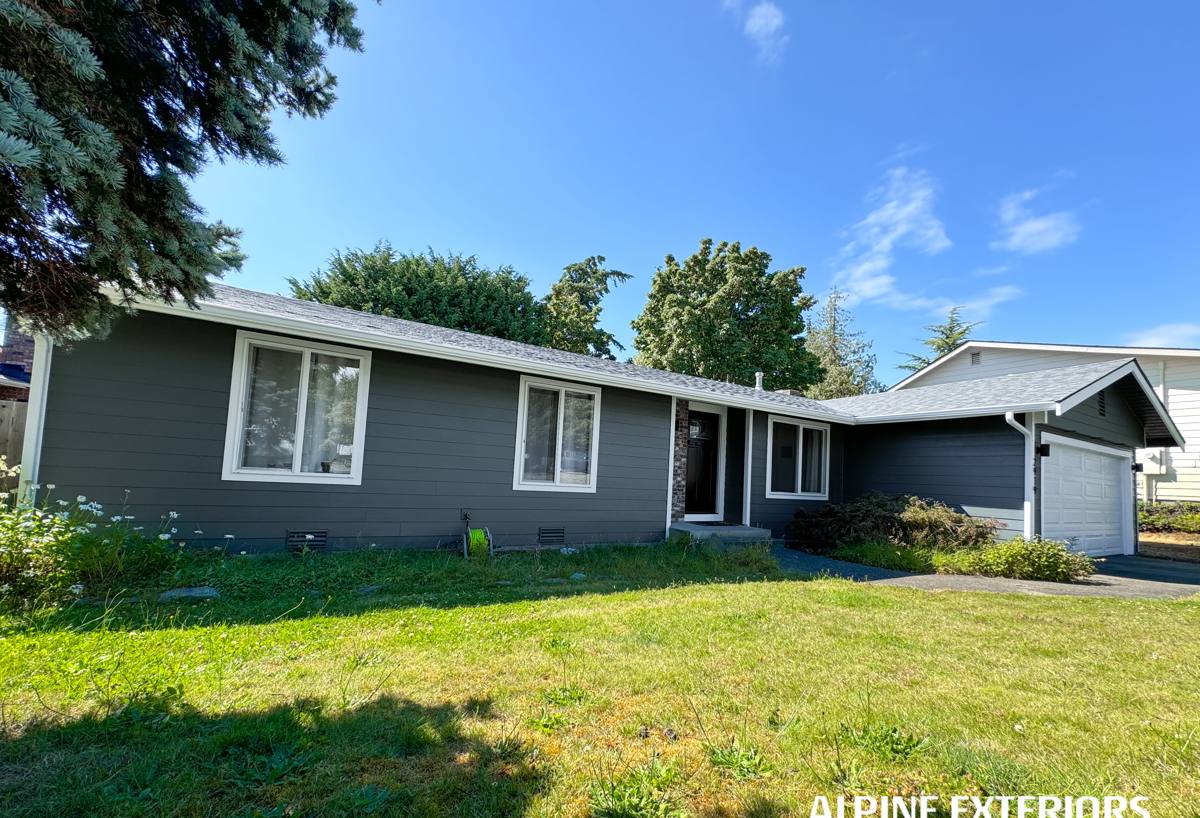
What's Actually Wearing Out Your Siding Here
Hurricane-Force Wind and Wind-Driven Rain
Wind doesn't just rattle siding — it drives rain sideways and upward, forcing water into laps, seams, and fastener holes that were never designed to handle water moving in that direction. After a tropical system or even a strong summer storm, siding damage often shows up as loosened panels, cracked corners, or water stains that weren't there before.
Year-Round UV Exposure
Florida sun is relentless on painted and finished surfaces. UV breaks down caulk, degrades paint film, and can cause lesser-quality siding materials to fade, chalk, or warp unevenly across a wall. South- and west-facing walls typically show wear years before the shadier sides of the house.
Humidity and Moisture Cycling
Pinellas County humidity means siding is rarely fully dry. Materials that absorb moisture swell, and when they dry out again they shrink — that repeated cycle is what causes boards to cup, joints to open up, and paint to crack along seams. It's a slower kind of damage than storm damage, but it's just as real.
Salt Air Off Tampa Bay
Safety Harbor's homes closer to the water deal with a steady, low-level dose of salt-laden air. Salt accelerates corrosion on fasteners and trim hardware and can be harder on certain finishes than inland exposure. It's rarely dramatic on its own, but it compounds every other issue on this list.
Signs Your Siding Needs a Repair Call
Most siding problems give warning signs well before they turn into a bigger repair. Walk your exterior and look for:
- Soft, spongy, or crumbling spots when you press on the siding
- Visible cracks, splits, or missing pieces after a storm
- Peeling or bubbling paint, especially near seams and butt joints
- Staining or dark streaking that suggests water is tracking behind the siding
- Gaps opening up at corners, trim, or where siding meets windows and doors
- A musty smell or visible mold/mildew on interior walls near an exterior wall
- Siding that feels loose or moves when you push on it
Any one of these on its own might be minor. Several at once, or damage that showed up right after a storm, is worth a professional look before it spreads.
Repair or Replace? How We Make That Call
Not every damaged section needs full replacement, and not every problem should be patched. The right call depends on how much of the wall is affected, what's causing the damage, and what material is currently on the house.
| Factor | Repair Often Makes Sense | Replacement Is the Better Call |
|---|---|---|
| Extent of damage | Isolated to a few boards or one section of wall | Damage spread across multiple walls or the whole facade |
| Underlying cause | Impact damage, a one-time storm event, isolated flashing failure | Ongoing moisture intrusion, rot behind the siding, or a systemic installation flaw |
| Existing material | James Hardie fiber cement already on the home | Vinyl, wood, or lower-grade fiber cement showing widespread age or moisture damage |
| Age and condition of the rest of the siding | Siding is otherwise sound and well within its service life | Siding is near or past its expected lifespan house-wide |
| Color and profile match | Matching material is available and will blend acceptably | Discontinued colors/profiles make patch repairs visually obvious |
We'll tell you honestly which category your home falls into. If a targeted repair genuinely solves the problem, that's what we'll recommend — we're not in the business of selling full replacements homeowners don't need.
What a Correct Siding Repair Actually Involves
Diagnosing the Real Cause Before Touching a Board
Swapping a cracked board for a new one without figuring out why it cracked is how the same spot fails again in a year or two. A proper repair starts by checking what's behind the siding — flashing, house wrap, fastening pattern — especially in areas where water staining or soft spots suggest moisture has been getting in for a while.
Matching Material and Finish
For homes already siding with James Hardie, repairs use Hardie boards in the matching profile and, where possible, the matching ColorPlus factory finish, so patched sections blend in rather than standing out as an obvious repair. Field-painting a patch to "match" a factory finish rarely holds up the same way over time — we account for that when scoping a repair.
Water Management Details Most Crews Skip
Correct flashing at butt joints, proper caulk selection for a high-UV, high-humidity climate, and correct fastener spacing all matter more here than in drier climates. These are the details that separate a repair that lasts through the next storm season from one that has to be redone.
Why We Only Repair With James Hardie Fiber Cement
We install and repair exclusively with James Hardie fiber cement siding. We don't install LP SmartSide, vinyl, Cemplank, Allura, primed spruce, or cedar, and when a repair calls for replacement material, we use Hardie — not because other products have no merits, but because of what we've seen hold up in Gulf Coast conditions over time.
Hardie fiber cement is non-combustible, engineered in HZ product lines built for high-humidity climates like ours, and finished with a factory-applied ColorPlus coating designed to resist the UV fading and chalking that plain field-painted materials struggle with. It also carries a strong transferable warranty when installed to manufacturer specification. When we patch or replace a section of siding, we want that section performing the same way in ten years as the surrounding wall — using a single, well-understood material system is how we make sure of that, instead of guessing how a patch of a different product will age next to the original.
Our Repair Process for Safety Harbor Homeowners
- Inspection. We walk the full exterior, not just the obvious damage, since storm and moisture issues often show up in more than one spot.
- Diagnosis. We identify the actual cause — impact, wind, flashing failure, or long-term moisture — before recommending a fix.
- Written scope and estimate. You get a clear explanation of what needs to be repaired, what material will be used, and why.
- The repair itself. Damaged sections are removed, the wall assembly behind them is checked and corrected if needed, and new Hardie material is installed with proper flashing and fastening.
- Finish and cleanup. Trim, caulk lines, and touch-up work are finished to blend with the surrounding siding, and the site is cleaned up before we leave.
Why Hiring a Crew That Already Works Safety Harbor Matters
A siding repair crew that already works in Safety Harbor and the greater Clearwater area knows what this specific stretch of Pinellas County throws at a house — the salt exposure closer to Old Tampa Bay, the mix of older and newer housing stock, and how quickly humidity and UV combine to age materials that aren't built for it. That local experience shows up in the small decisions: which caulk actually holds up here, how tight flashing details need to be around older window and door openings, and when a repair is genuinely enough versus when it's papering over a bigger problem.
It also matters for something less visible but just as important: knowing local permitting and code expectations for exterior work in this area, and showing up when we say we will. A local crew isn't driving in from across the bay for a service call — we're already working in this neighborhood.
If you've got damaged, aging, or storm-affected siding on a Safety Harbor home, we're happy to take a look and give you an honest read on repair versus replacement — no pressure, no upsell. Fill out the form below for a free estimate.