 Clearwater Roofing
 Siding Replacement for Countryside, Built for What This Climate Actually Does
Countryside is one of Clearwater's larger established residential communities, and like the rest of Pinellas County, it sits squarely in a climate that is hard on exterior building materials. Homes here deal with tropical storm and hurricane-force wind events, some of the most intense year-round UV exposure in the continental United States, wind-driven rain that gets pushed sideways into wall assemblies, and a steady dose of salt air carried inland from Tampa Bay and the Gulf. Siding in this area isn't just cosmetic — it's the first line of defense for the wood framing, insulation, and interior finishes behind it. When we replace siding on a Countryside home, we're not just matching a color. We're rebuilding a weather barrier system that has to perform through every one of those stresses, year after year.
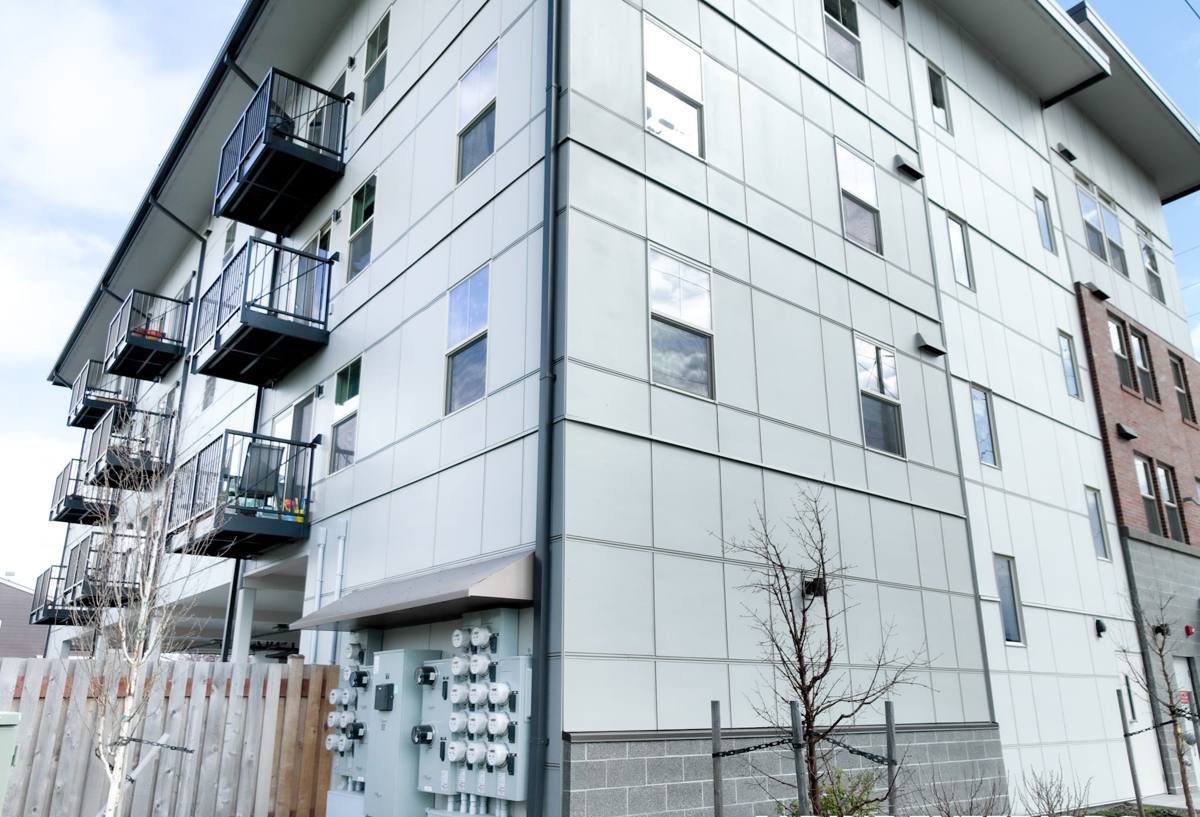
What Clearwater's Climate Does to Siding Over Time
Wind and Wind-Driven Rain
Pinellas County's wind exposure means siding has to stay mechanically fastened and sealed even when gusts are pushing water horizontally against the wall. Lap siding that's under-fastened, or that was installed with the wrong nailing pattern, tends to work loose at the butt joints first — that's usually where water finds its way behind the cladding and into the sheathing.
UV Exposure
Florida's sun is relentless on south- and west-facing elevations in particular. Paint-grade siding and lower-grade composite products chalk, fade, and become brittle faster here than in most of the country. A finish that isn't engineered for this UV load will visibly degrade well before the siding itself is due for replacement.
Salt Air
Countryside sits inland from the immediate coastline, but salt-laden air still travels well beyond the beach communities, especially during onshore wind events. Salt exposure accelerates corrosion on fasteners, trim flashing, and any metal components tied into the siding system — which is why fastener choice and flashing detail matter as much as the siding panel itself.
Moisture and Humidity
Pinellas County's humidity keeps wall assemblies damp longer after rain events than drier climates. Any siding material that absorbs and holds moisture, or any installation that traps moisture behind it, sets up conditions for rot and mold in the wall cavity long before there's visible damage on the surface.
Signs Countryside Homeowners Should Watch For
Because siding failure often starts behind the surface, it's worth checking your home's exterior a couple of times a year rather than waiting for obvious damage.
- Soft or spongy spots when you press on siding near the bottom courses or around windows
- Visible warping, buckling, or separation at seams and butt joints
- Paint that's peeling, bubbling, or failing faster than it should on one elevation
- Persistent staining or dark streaking that doesn't wash off, often a sign of moisture intrusion
- Rust streaks around fasteners or trim, a common issue in salt-exposed areas
- Rising interior utility bills without another explanation, which can point to a compromised weather barrier
- Visible gaps, cracking, or missing caulk at corners, window trim, and penetrations
What a Correct Siding Replacement Job Involves
Tear-Off and Inspection
Replacement starts with removing the old siding down to the sheathing and actually inspecting what's underneath — not assuming it's fine. In a climate like this, it's common to find soft sheathing, compromised framing, or old moisture damage that a surface-level job would simply cover back up. Any of that gets repaired before new siding goes on.
Weather-Resistive Barrier
A correctly lapped and sealed weather-resistive barrier goes over the sheathing before any siding is hung. This layer is what actually stops wind-driven rain that gets past the cladding from reaching the framing — it matters more in a wind-driven-rain climate than almost anywhere else in the country.
Flashing and Trim Details
Windows, doors, corners, and any wall penetration are the places siding jobs most often fail. Correct flashing integration — not just caulk — is what keeps water from tracking behind the siding at these transition points.
Fastening to Spec
Manufacturer-specified fastener type, spacing, and embedment matter for wind performance, and they're specified differently for high-wind coastal zones than for inland installations elsewhere in the country. Cutting corners here is the single most common cause of siding failure in wind events.
Finish and Sealing
The final finish — caulking, painting or factory-finish coating, and touch-up — has to hold up to sustained UV exposure without chalking or cracking within a couple of seasons.
Why We Install Only James Hardie Fiber Cement
We made a standing decision, on every job we take on, to install James Hardie fiber cement siding and nothing else. We don't install vinyl, LP SmartSide, Cemplank, Allura, or primed wood products like spruce or cedar. That's not a marketing position — it's a reflection of what holds up correctly in this specific climate when installed to spec.
Fiber cement is non-combustible, doesn't expand and contract with heat the way vinyl does, and doesn't carry the same moisture-management concerns as wood-based composite or solid wood products in a humid, storm-exposed environment. James Hardie's ColorPlus factory finish is baked on and warranted against fading in a way field-applied paint systems on other materials aren't, which matters enormously under Florida's UV load. Hardie also engineers specific product lines for different climate zones, including a version formulated for higher-moisture, higher-humidity regions — Pinellas County falls squarely into that category. The company backs its products with a strong, transferable limited warranty, which adds real value if you ever sell the home. We'd rather stand behind one product system we know performs here than offer a menu of options we know will need more attention, repair, or early replacement.
How Siding Materials Compare in This Climate
| Material | Moisture Behavior Here | UV/Fade Resistance | Wind Performance | Relative Long-Term Cost |
|---|---|---|---|---|
| James Hardie Fiber Cement | Does not rot or absorb moisture like wood | Factory ColorPlus finish resists fading | Engineered and rated for high-wind zones | Higher upfront, lower lifetime maintenance |
| Vinyl | Sheds water but can warp/buckle behind seams | Prone to fading and chalking under intense sun | Can crack or blow off in high-gust events | Lower upfront, more frequent replacement |
| LP SmartSide / Wood-Based Composite | Wood-based core sensitive to sustained humidity | Requires field-applied paint maintenance | Adequate when installed correctly | Moderate upfront, ongoing paint/maintenance cost |
| Primed Wood (Spruce/Cedar) | Absorbs moisture, highest rot risk in humid climate | Needs frequent repainting to hold color | Performance depends heavily on maintenance | Lower upfront, highest ongoing maintenance |
Our Process From Estimate to Finished Job
- On-site inspection of your Countryside home's current siding, trim, and any visible moisture or wind damage
- Honest assessment of whether full replacement or targeted repair is the right call
- A written estimate detailing product line, color, trim, and scope — no vague allowances
- Tear-off, sheathing inspection, and any necessary framing or sheathing repair
- Weather-resistive barrier installation, flashing integration, and Hardie siding installation to manufacturer and wind-zone specification
- Final trim, caulking, and a walkthrough before we consider the job done
Why Hiring a Crew That Already Works in Countryside Matters
A siding job installed to a generic national standard isn't the same as one installed correctly for Pinellas County's wind exposure and building code requirements. A crew that already works in and around Countryside understands the local permitting process, knows what inspectors are looking for on siding and weather-barrier work, and has already seen how different products and details hold up specifically in this climate over time — not in a showroom, and not in a drier part of the country. That local track record shows up in fewer callbacks, fewer surprises during permitting, and a job that's built to actually survive the next storm season rather than just look good on installation day.
Consistency also matters on a street-by-street basis. When a contractor has done multiple homes in the same community, they already understand the common construction era and typical framing conditions in the area, which means fewer surprises once tear-off begins and a more accurate estimate from the start.
Maintenance After Replacement
Correctly installed Hardie siding is low-maintenance, not no-maintenance. A simple annual check keeps it performing the way it's designed to:
- Rinse siding periodically to remove salt residue and airborne grime, especially on elevations facing prevailing winds
- Inspect and refresh caulking at trim, corners, and penetrations if it shows cracking or gaps
- Keep irrigation heads and sprinklers from spraying directly on siding, which accelerates staining
- Trim vegetation back from exterior walls to maintain airflow and reduce trapped moisture
- Have any impact damage from storm debris inspected and repaired promptly rather than left open to moisture
If your Countryside home's siding is showing wear, or you're planning ahead of the next storm season, we're happy to take a look and give you a straightforward, no-pressure estimate — just fill out the form below.