 Clearwater Roofing
 Siding Replacement Built for Palm Harbor's Climate
Palm Harbor sits close enough to the Gulf that salt air reaches every home in the community, even the ones set back from the water. Add in Pinellas County's summer humidity, the near-daily UV exposure that Florida homes get twelve months a year, and the wind-driven rain that comes with every tropical system that brushes the coast, and you've got a climate that is genuinely hard on exterior siding. This isn't a page about siding in general — it's about what siding replacement looks like specifically for homes in Palm Harbor, what the local conditions demand from the material and the installation, and how we approach that work when a homeowner calls us.
A siding replacement here isn't just a cosmetic upgrade. It's the layer standing between your home's structure and sustained coastal humidity, hurricane-force wind gusts, and sun that breaks down lesser materials faster than most homeowners expect. Getting it right matters more in Palm Harbor than it would in a drier, calmer climate.
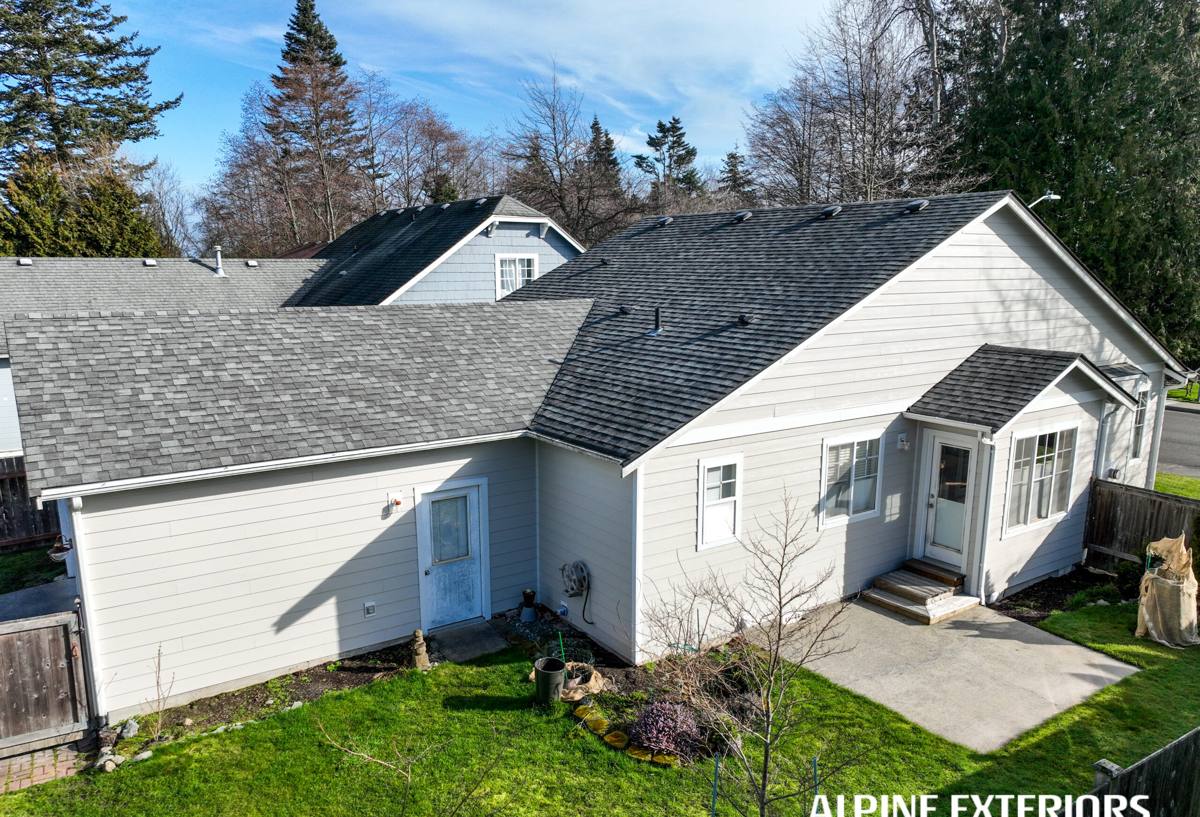
What Palm Harbor's Climate Actually Does to Siding
Salt Air and Moisture
Even away from the immediate waterfront, salt-laden air circulates through Pinellas County and settles on exterior surfaces. Combined with Florida's humidity, this accelerates corrosion of fasteners and hardware, and it speeds up the breakdown of siding materials that aren't engineered to resist moisture intrusion. Products that swell, rot, or delaminate when wet are a poor match for a climate where "wet" is the default condition for much of the year.
UV Exposure
Florida gets more direct sun than almost anywhere else in the continental US. Painted and coated siding surfaces take a steady beating from UV rays, which causes fading, chalking, and premature finish failure years ahead of what the same product might experience in a milder climate.
Wind and Wind-Driven Rain
Palm Harbor is squarely in the path of Gulf tropical systems. Sustained high winds test every fastener and every seam in a siding system, and wind-driven rain finds any gap in flashing, house wrap, or trim detailing. A siding job that looks fine on a calm day can fail during the first real storm if the underlying installation wasn't done to withstand wind-driven water intrusion.
Heat Cycling
Daily swings between intense afternoon heat and cooler evenings cause siding materials to expand and contract. Over years, materials that don't handle this well can crack, warp, or pull away from fastening points — problems that often show up first at butt joints, corners, and around windows and doors.
Signs Your Palm Harbor Home Needs Siding Replacement
Not every siding problem calls for full replacement, but these are the signs that patching or repainting won't solve the underlying issue:
- Visible cracking, warping, or buckling across multiple sections of siding
- Soft or spongy spots when pressed, which usually means moisture has reached the substrate
- Persistent bubbling, peeling, or chalking paint that returns soon after repainting
- Gaps opening up at seams, corners, or trim that weren't there a few years ago
- Mold, mildew, or dark streaking that keeps coming back despite cleaning
- A noticeable jump in cooling costs, which can point to compromised insulation behind failing siding
- Visible fastener corrosion or nail heads working loose from the surface
- Any history of storm damage that was patched rather than properly repaired
If you're seeing two or more of these on a home that's had its original siding for fifteen-plus years, it's worth having someone look at the whole system rather than chasing individual repairs.
Why We Install Only James Hardie Fiber Cement Siding
We made a deliberate decision to install James Hardie fiber cement exclusively, and we don't install vinyl, LP SmartSide, or other engineered wood products. That's not a marketing position — it's a reflection of what actually holds up under Pinellas County conditions over the long haul.
Fiber cement is non-combustible, which matters in a state where wildfire risk is rising in some areas and where insurance carriers are increasingly attentive to construction materials. James Hardie's HZ5 product line, in particular, is engineered for climates like ours, with a formulation aimed at resisting the moisture and humidity that cause other materials to swell or deteriorate. The factory-applied ColorPlus finish is baked on and warrantied against fading, which addresses the UV problem directly instead of leaving it to a field-applied paint job that will chalk out in a Florida summer.
We're not going to tell you every alternative product is unusable — vinyl and engineered wood sidings have legitimate uses and price points that work for some homeowners. But for a coastal Pinellas County home taking direct sun, salt air, and wind-driven rain year-round, we've found that fiber cement's dimensional stability, moisture resistance, and finish durability consistently outperform the alternatives over a 20-30 year ownership horizon. That's the standard we hold our own installs to, and it's why we don't offer the other options.
Siding Material Comparison for a Palm Harbor Home
| Factor | James Hardie Fiber Cement | Vinyl | Engineered Wood (e.g. LP SmartSide) |
|---|---|---|---|
| Moisture/humidity resistance | Formulated for high-moisture climates (HZ5) | Doesn't absorb water, but can warp under heat | Vulnerable to swelling if moisture reaches edges or cuts |
| UV/fade resistance | Factory ColorPlus finish, warrantied against fading | Color is through-body but can fade and chalk over time | Field-applied paint fades and needs repainting on a cycle |
| Wind performance | Rated for high-wind installation when installed to spec | Can crack or blow off in sustained high winds if under-fastened | Performs well when properly sealed and fastened |
| Combustibility | Non-combustible | Combustible | Combustible (wood-based) |
| Typical lifespan installed to spec | 30+ years | 20-30 years | 20-25 years |
What a Correct Siding Replacement Job Involves
The material is only part of the equation — how it's installed is what determines whether it performs in a coastal climate. A correct siding replacement on a Palm Harbor home involves several steps that are easy to skip and hard to notice once the siding is up:
Tear-Off and Substrate Inspection
Full removal of the old siding, not an overlay, so the sheathing underneath can actually be inspected for hidden rot, moisture damage, or pest issues before new material goes on. Covering up a compromised substrate is one of the most common shortcuts in this trade, and it's the one that causes the most expensive problems down the road.
Weather Resistive Barrier and Flashing
A properly lapped house wrap or weather barrier, with correctly integrated flashing at every window, door, and penetration, is what actually keeps wind-driven rain out of the wall assembly. This detailing matters more in Palm Harbor than in drier climates because storms here don't just bring rain — they bring rain forced sideways under pressure.
Fastening to Manufacturer and Wind-Zone Spec
James Hardie siding has specific fastener type, spacing, and penetration requirements, and those requirements are more demanding in high-wind zones like coastal Pinellas County. Under-fastening is invisible until a storm tests it.
Trim, Caulking, and Detail Work
Corners, butt joints, and transitions to windows, doors, and roofline are where most siding failures start. Correct caulking and trim work at these points is what keeps moisture from working its way behind the siding over time.
Cleanup and Final Inspection
A finished job should leave the property clean of debris and include a walk-through so you understand what was done and what to expect from the material going forward.
Our Process for Palm Harbor Siding Replacement Projects
- On-site assessment: We look at the current siding, the substrate where accessible, and any problem areas you've noticed, and we talk through what's driving the need for replacement.
- Written proposal: You get a clear scope of work and pricing before anything is scheduled — no surprise add-ons once the crew shows up.
- Material order and scheduling: We coordinate delivery and crew scheduling around your timeline and, where relevant, work around Florida's storm season windows.
- Tear-off and substrate check: Old siding comes off, the sheathing gets inspected, and any issues are flagged before new material goes up.
- Installation to spec: Weather barrier, flashing, siding, and trim installed to manufacturer and wind-zone requirements.
- Final walk-through: We review the finished work with you and make sure everything meets expectations before calling the job complete.
Cost Factors for Palm Harbor Siding Replacement
Every home is different, and we won't quote a number without seeing the project, but these are the factors that most affect what a siding replacement costs in this area:
| Factor | Why It Matters |
|---|---|
| Home size and wall complexity | More square footage and more corners, gables, and dormers mean more material and labor |
| Substrate condition | Hidden rot or moisture damage found during tear-off adds repair scope |
| Siding profile and accessories | Trim boards, soffit, and accent details add cost beyond flat lap siding |
| Number of stories and access | Two-story homes and difficult access require more setup and time |
| Window and door count | Each opening requires flashing and trim work |
Why Hiring a Crew That Already Works in Palm Harbor Matters
A siding crew that regularly works in Palm Harbor and the surrounding Pinellas County communities already understands the wind-zone fastening requirements, the way salt air and humidity behave here, and the storm season timing that shapes when projects should be scheduled. That local familiarity shows up in details a homeowner might never notice until a storm rolls through — the right flashing details, the right fastener spacing, the right sequencing to keep a home protected if weather moves in mid-project.
It also means a contractor who is genuinely local, licensed to work in the area, and available if a warranty question or a storm-related concern comes up after the job is done — not a crew that showed up from out of the area for one project and is hard to reach afterward.
Ready for a Free, No-Pressure Estimate
If your Palm Harbor home's siding is showing its age or storm damage, we're happy to take a look and give you an honest read on whether it needs full replacement, repair, or just some maintenance. There's no pressure and no obligation — just a straightforward assessment from a crew that installs James Hardie fiber cement siding and knows what this climate demands. Fill out the form below to schedule your free estimate.