 Clearwater Roofing
 Storm Damage Roof Repair Built for Skycrest Homes
Skycrest is one of Clearwater's older, established residential neighborhoods, which means its roofs come in every age and condition — from recent replacements to roofs that have quietly absorbed decades of Gulf Coast weather. When a storm rolls through Pinellas County, that mix matters. A newer roof and a roof nearing the end of its service life can take the exact same hit and come out with very different levels of damage, and both need to be looked at by someone who knows what to check for. This page covers what storm damage roof repair actually looks like for homes in Skycrest, and how we approach it.
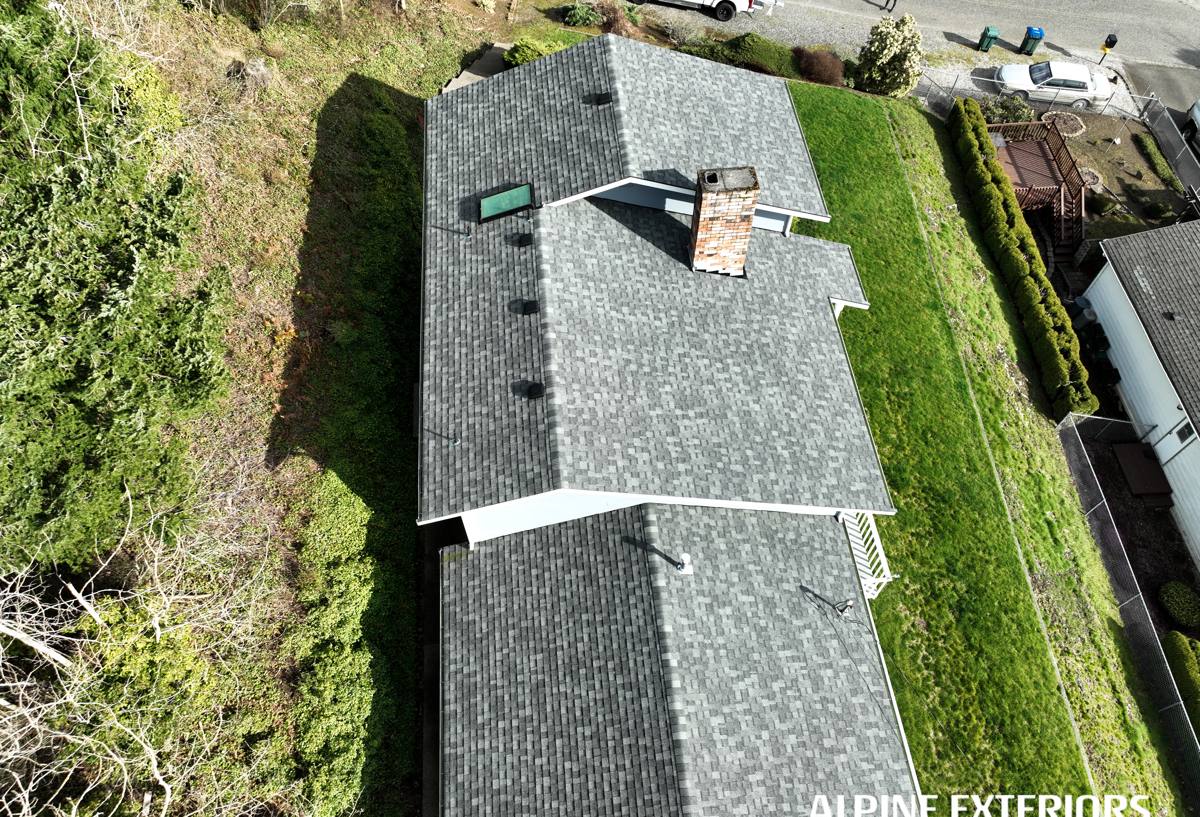
Why Skycrest Roofs Take a Different Kind of Beating
Clearwater sits in a stretch of Florida that gets hit from multiple directions, year-round. It's not just the named storms. It's the combination that grinds a roof down faster than most homeowners expect:
- Hurricane-force and tropical-storm-force winds that lift shingle edges, work fasteners loose, and drive rain sideways under flashing and roof edges.
- Intense, near-constant UV exposure that bakes asphalt shingles, breaks down sealants, and shortens the effective lifespan of roofing materials compared to cooler, cloudier climates.
- Wind-driven rain that doesn't just fall on a roof — it gets pushed uphill, under laps, and into any gap that gravity-only water shedding would normally handle fine.
- Salt air carried in from the Gulf, which accelerates corrosion on exposed metal fasteners, flashing, and vents faster than it would inland.
None of these forces act alone. A roof with UV-brittled shingles is far more likely to tear during high wind. A fastener that's already started to corrode from salt air is far more likely to back out during a storm. That's the pattern we look for on every Skycrest inspection — not just the obvious damage, but the underlying wear that turned a manageable storm into a real problem.
Common Storm Damage We Find in This Neighborhood
Storm damage doesn't always announce itself with a hole in the roof. Most of what we find during post-storm inspections in Skycrest falls into a handful of categories:
Wind Damage
Lifted, cracked, or missing shingles along ridges, hips, and roof edges — the areas that take the most direct wind uplift. Sometimes shingles blow off completely; more often they're creased or partially detached in a way that's easy to miss from the ground.
Water Intrusion
Wind-driven rain finds the weakest point in a roof system, which is rarely the field of the roof itself. It's flashing around chimneys and vent pipes, valleys where two roof planes meet, and the transition points where the roof meets a wall or dormer.
Granule Loss
Heavy, wind-blown rain strips protective granules off asphalt shingles. This doesn't always cause an active leak right away, but it exposes the asphalt layer underneath to direct UV, which speeds up the aging process significantly.
Fastener and Flashing Failure
Nails and screws that have corroded from years of salt air are more prone to backing out or shearing during high wind, which loosens the shingles or metal components they're supposed to hold down.
Debris Impact
Branches and wind-borne debris cause localized punctures, bruising, or cracked tiles, depending on the roofing material.
What a Correct Storm Damage Repair Actually Involves
A "quick patch" approach is one of the most common reasons storm damage repairs fail early and lead to repeat problems. Doing it right means addressing the damage and the conditions that let the damage happen in the first place.
Full Inspection, Not Just the Obvious Spot
We start with the area that prompted the call, but we don't stop there. Wind and water rarely damage just one spot — if there's a lifted shingle on one slope, we check the whole roof plane, the flashing details, and the attic underneath for signs of moisture that haven't shown up as a ceiling stain yet.
Matching Materials, Not Just Covering Holes
Repairs should match the existing roofing material in type, profile, and where possible, color and age-weathering, so the repair performs — and looks — like part of the roof rather than a visible patch.
Proper Flashing and Sealant Work
Most leaks that show up after a "repair" trace back to flashing that was reused when it should have been replaced, or sealant used as a substitute for proper flashing technique. We replace compromised flashing rather than caulking over it.
Fastener Correction
If corrosion or wind uplift caused fasteners to back out or shear, we replace them with corrosion-resistant fasteners rated for coastal exposure, not just whatever matches what came out.
Interior Check
Where there's been water intrusion, we check the attic and interior ceiling framing for moisture, not just the visible roof surface, so damage isn't sealed up and left to cause rot or mold out of sight.
Our Process, Start to Finish
- Initial contact and scheduling — we get basic details about the damage and get someone out to look at it, prioritizing active leaks.
- On-site inspection — a full assessment of the affected area, surrounding roof sections, and interior/attic access where relevant.
- Honest scope and estimate — we tell you what we found, what needs to happen, and give you a written estimate before any work starts.
- Documentation — if you're planning to file an insurance claim, we document the damage clearly so you have what you need to support that claim.
- Repair work — completed with matched materials and correct flashing/fastener practices, not shortcuts.
- Final walkthrough — we review the completed work with you before we consider the job done.
Repair or Replace? What Actually Drives That Decision
Not every storm-damaged roof needs full replacement, and not every roof is a good candidate for another round of patching. The honest answer depends on a few factors we walk through with every homeowner.
| Factor | Leans Toward Repair | Leans Toward Replacement |
|---|---|---|
| Roof age | Well within expected service life | Near or past typical lifespan for the material |
| Extent of damage | Localized to one area or slope | Spread across multiple sections |
| Underlying condition | Decking and structure sound, granule loss minimal | Widespread granule loss, brittle shingles, soft decking |
| Repair history | First or infrequent repair | Repeated repairs to the same areas |
| Insurance scope | Adjuster approves targeted repair | Adjuster or contractor documentation supports full replacement |
We won't push a full replacement when a proper repair will genuinely hold up, and we won't recommend patching a roof that's clearly at the end of its useful life just to avoid a bigger conversation. Either way, you get our actual professional read, not a sales pitch pointed in one direction.
Insurance Claims: What Homeowners Should Know
Storm damage repair and insurance claims often go together, but they're not the same process. A few things worth knowing going in:
- Document damage as soon as it's safe to do so — photos from the ground and any interior water signs help support a claim.
- An adjuster's initial scope isn't always the final word. If our inspection finds damage the adjuster's report missed, that's worth raising with your insurer.
- We provide documentation and a clear scope of work you can share with your insurance company — we're not a public adjuster and don't negotiate the claim on your behalf, but we make sure you have accurate information to work with.
- Temporary protection (like tarping an active leak) is sometimes necessary before a full repair can be scheduled, especially after a widespread storm event when contractor schedules fill up fast.
Roofing Materials and Coastal Exposure
What a roof is made of affects how it should be repaired and how well it holds up between storms in a climate like Clearwater's. A few honest trade-offs worth knowing:
Asphalt Shingles
The most common roofing material in the area, and generally the most economical to repair. UV exposure is the main long-term enemy — shingles that have already lost significant granule coverage are more vulnerable to wind damage even in moderate storms.
Tile Roofing
Durable against UV and wind when installed correctly, but individual tiles can crack from debris impact and need to be replaced carefully to avoid damaging the underlayment beneath, which does most of the actual waterproofing work.
Metal Roofing
Performs well in high wind when properly fastened, but fastener quality matters even more in coastal air — we use corrosion-resistant hardware rated for this exposure, not standard fasteners that will corrode faster near the Gulf.
Flat or Low-Slope Roofing
Common on additions and some home styles in this area; wind-driven rain and ponding after heavy storms are the main concerns, and repairs need to address drainage, not just the surface membrane.
After the Repair: Keeping It That Way
A correct repair should hold up, but a little seasonal attention extends the life of any roof in this climate. Between storms, it's worth keeping an eye on:
- Debris buildup in valleys and gutters, which traps moisture against the roof surface
- Visible granule accumulation in gutters or at downspouts, a sign of UV and wear-related shingle aging
- Soft spots, sagging, or discoloration on interior ceilings, which can indicate a slow leak before it becomes obvious
- Loose or lifted shingle edges after any high-wind event, even if it wasn't a named storm
- Rust staining around metal flashing, vents, or fasteners
Catching these early is almost always cheaper than waiting for them to become an active leak during the next storm.
Why a Crew That Knows Skycrest Matters
Roofing in Pinellas County isn't generic work. A crew that regularly works in Skycrest and the surrounding Clearwater neighborhoods has a working sense of the housing stock here — the range of roof ages, the common material types, and the specific ways wind and salt air tend to show up in this part of the county. That familiarity shortens the inspection process, sharpens the estimate, and means fewer surprises once work is underway. It also means we're a known, reachable local contractor if a question comes up months after the job is done — not a crew that worked the area once after a big storm and moved on.
If you've got storm damage on your Skycrest home — or you just want a second opinion after an insurance inspection — we're happy to take a look. Reach out for a free, no-pressure estimate using the form below.