 Clearwater Roofing
 Siding Built for Sunset Point's Coastal Exposure
Sunset Point sits close enough to the water that homes here take a different kind of beating than siding fifty miles inland ever sees. Hurricane-force wind gusts test every fastener and seam. Salt-laden air works into seams and fasteners year-round. Intense, near-constant UV bakes painted and coated surfaces from spring through fall. And wind-driven rain doesn't just fall on a house here — it gets pushed sideways into laps, corners, and trim joints during a squall. Siding replacement in this part of Clearwater isn't a cosmetic project. It's a decision about what's standing between your framing and the next storm season.
This page covers what siding replacement actually involves for a Sunset Point home, what correct installation looks like in a Pinellas County wind zone, and why we install one product system — James Hardie fiber cement — rather than offering a menu of options that all perform differently once real Gulf Coast weather hits them.
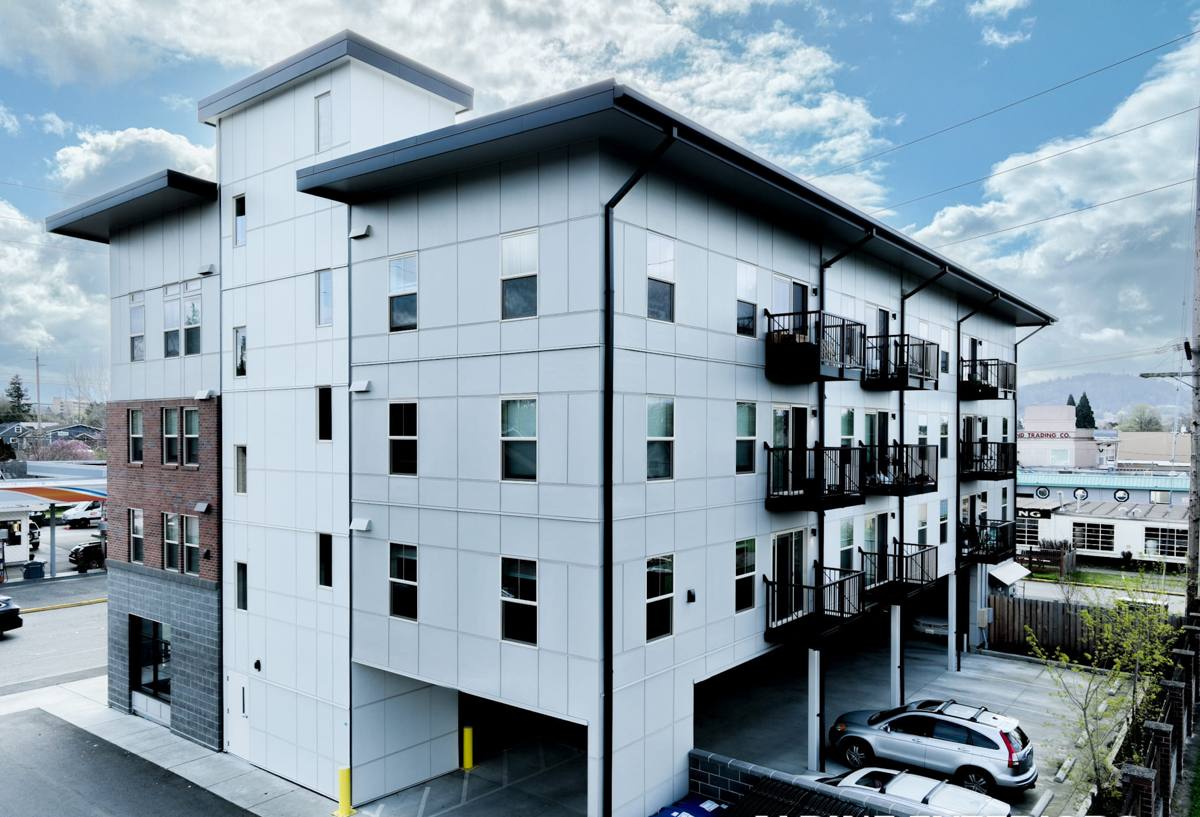
What Coastal Clearwater Weather Does to Siding Over Time
UV and Heat
Florida sun is harder on exterior materials than most homeowners moving from other states expect. Painted wood, vinyl, and lower-grade composite panels fade, chalk, or warp faster here than manufacturer literature written for a national market usually accounts for. Dark colors on cheaper substrates can also expand and contract enough, cycle after cycle, to stress caulk joints and fastener holes.
Salt Air and Humidity
Proximity to the water means airborne salt settles on every exterior surface, not just the side facing the coast. Combined with Florida's humidity, that accelerates corrosion on fasteners, hardware, and any metal trim that isn't rated for coastal exposure. It also means siding materials that rely on paint film integrity to stay watertight have less margin for error before moisture starts finding its way in.
Wind and Wind-Driven Rain
Pinellas County construction has to account for real hurricane wind loads, not just steady breeze. During a tropical system, rain doesn't fall straight down — it's driven sideways and upward under eaves, around window and door trim, and into any siding lap or joint that isn't properly lapped, flashed, and fastened. A siding system that looks fine in calm weather can still fail exactly where it matters during a named storm.
Signs a Sunset Point Home Needs Siding Replacement
Some warning signs are obvious from the ground; others only show up once you know what to check.
- Soft or spongy spots when you press on the siding, especially near the bottom courses and around windows
- Visible cracking, buckling, or warping panels
- Paint that's failing faster than it should, or persistent chalking that rubs off on your hand
- Gaps opening up at seams, corners, or where siding meets trim
- Rust streaking from fasteners or trim hardware
- Rising cooling bills with no other explanation, which can point to moisture or insulation issues behind the siding
- Visible mold, mildew, or a musty smell along interior walls that back up to exterior siding
- Siding that's simply reached the end of its rated service life for the product and installation it originally received
Any one of these is worth a professional look before it becomes a bigger repair. In a coastal wind zone, deferred siding problems tend to compound quickly once moisture gets past the surface.
Why We Install Only James Hardie Fiber Cement
We made a deliberate decision years ago to standardize on one siding system rather than sell whatever a homeowner asks for. We don't install vinyl siding, LP SmartSide, Cemplank, Allura, or primed wood products like spruce or cedar lap. That's not a knock on every homeowner who has one of those products already — it's a statement about what we're willing to warranty our labor against and put our name on for a house exposed to Gulf Coast wind and salt air.
Vinyl is affordable and easy to install, but it's a thin plastic product that can soften, warp, or crack under sustained heat and impact, and it isn't rated to stand up to the wind speeds Pinellas County can see. Wood-based composite and primed wood products depend heavily on maintaining an intact paint or coating film — miss a recoat cycle in this climate and moisture finds a way in faster than it would inland. Fiber cement products vary by manufacturer, and installation sensitivity, factory finish quality, and warranty structure differ enough between brands that we'd rather commit to the one system we trust than mix and match.
James Hardie fiber cement is non-combustible, engineered specifically for humid, high-UV, coastal climates through its HardieZone system, and finished at the factory with ColorPlus Technology — a baked-on finish that resists fading and chipping far better than field-applied paint. It carries a strong, transferable warranty when installed to Hardie's specifications, which matters both for your own peace of mind and for resale. When it's installed correctly, it holds up to what this coastline throws at it. That's the entire reason we only put our crews on this one product.
What Correct Siding Replacement Involves
Tear-Off and Substrate Inspection
Replacement starts with full removal of the old siding, not installation over it. That's the only way to find hidden rot, water damage, or compromised sheathing before it's sealed behind new material. Any damaged framing or sheathing gets repaired before anything new goes up — covering a problem instead of fixing it just guarantees a callback down the road.
Weather-Resistive Barrier and Flashing
A correctly installed weather-resistive barrier, along with proper flashing at windows, doors, and every roofline intersection, is what actually keeps wind-driven rain out of the wall assembly. This layer does more long-term work than the visible siding itself, and it's the step that gets shortchanged most often by crews trying to move fast.
Fastening to Local Wind Requirements
Fastener type, spacing, and placement all have to meet the wind-load requirements for this part of Pinellas County — not a generic national minimum. Hardie's installation instructions specify exact fastener patterns for high-wind zones, and following them is what separates siding that survives a hurricane season from siding that doesn't.
Trim, Caulking, and Finish Details
Joints, corners, and trim transitions are where most siding failures start. Correct caulking, properly lapped joints, and factory-finished ColorPlus panels and trim reduce the number of places moisture and salt air can work their way in over time.
Our Process, Start to Finish
- Free on-site inspection — we walk the exterior, check for hidden damage, and talk through what your home actually needs
- Written estimate — a clear scope of work and pricing, no pressure to decide on the spot
- Product and color selection — choosing the right Hardie line and ColorPlus finish for your home
- Tear-off and substrate repair — removing old siding and fixing anything found underneath
- Barrier, flashing, and siding installation — installed to Hardie's coastal wind-zone specifications
- Final walkthrough — checking every detail with you before we consider the job done
Cost Factors for Siding Replacement
Every Sunset Point home is different, but the same factors drive cost on most siding replacement projects. This is meant to help you understand what you're paying for, not to quote a firm price — that comes after an in-person inspection.
| Factor | How It Affects Cost |
|---|---|
| Home size and wall complexity | More square footage and more corners, dormers, or gables mean more material and labor |
| Substrate condition | Rot or water damage found during tear-off adds repair work before new siding goes up |
| Hardie product line and profile | Lap, shingle, and panel styles carry different material costs |
| Trim and accessory scope | Full trim replacement costs more than reusing sound existing trim |
| Access and site conditions | Tight lot lines, landscaping, or multi-story sections can add labor time |
| Color and finish selection | Standard ColorPlus colors versus premium finishes can shift material pricing |
Why Local Experience in Sunset Point Matters
A crew that regularly works Clearwater and the surrounding Pinellas County coastline already understands the wind-load requirements local permitting expects, knows how salt exposure behaves differently a mile from the water versus five miles inland, and has seen how Gulf Coast humidity and storm patterns actually affect a siding job after a few years — not just on installation day. That experience shows up in the small decisions: fastener choice, flashing details, how tight a home's water management needs to be. It's the difference between a crew installing siding and a crew installing siding that's built to last in this specific place.
If your Sunset Point home is due for new siding, or you're seeing early warning signs, we're glad to take a look. A free, no-pressure estimate is the easiest way to find out exactly what your home needs and what correct James Hardie installation would look like for it — just fill out the form below to get started.