 Clearwater Roofing
 Windows Built for a Barrier Island, Not Just a Florida Zip Code
Indian Rocks Beach sits out on the Gulf side of Pinellas County, which means the windows on these homes take a harder hit than windows just a few miles inland. There's no buffer of inland tree cover or other structures to slow down wind gusts, no break from the salt air rolling off the water, and no relief from direct sun for a good part of the day. A window that would hold up fine in a shaded inland neighborhood can fail years early out here — leaking, fogging, or losing its seal — if it wasn't chosen and installed with this specific environment in mind.
This page covers what window installation actually looks like for an Indian Rocks Beach home: what the coastal conditions demand, what a correct installation involves, how our process works, and why local experience on this stretch of coastline matters more than it might seem.
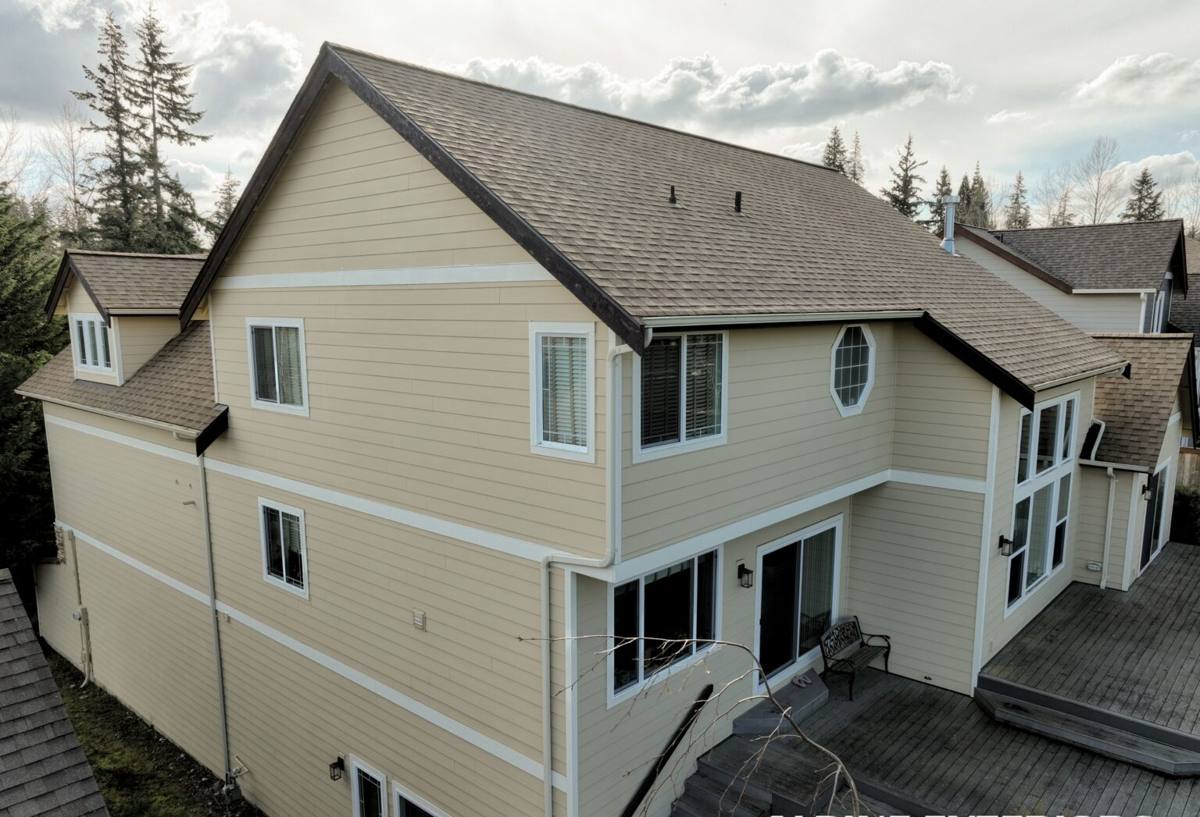
What Barrier Island Conditions Do to Windows Over Time
Wind and pressure
Gulf-front and near-Gulf homes see higher sustained wind speeds and sharper gusts than inland properties, and that wind puts real pressure on window frames and glass — pushing and pulling on the assembly even on a normal windy day, not just during a named storm. Over years, that constant flexing can loosen anchoring, stress seals, and, in a poorly installed window, work a frame loose from the rough opening.
UV and heat
Florida sun is intense nearly year-round, and a west-facing or unshaded window on the island gets hit with it for hours at a stretch. UV breaks down vinyl, dries out seals and gaskets, and can discolor frames faster than in a shaded, inland setting. Heat gain through an aging or poorly rated window also means the HVAC system works harder, which shows up directly on the power bill.
Salt air and corrosion
Airborne salt is a constant here, and it's hard on hardware — hinges, cranks, locks, and screws — especially anything not rated for coastal exposure. It also settles into window tracks and frame seams, where it can hold moisture against the material and accelerate wear on components that aren't built to handle it.
Wind-driven rain
The bigger threat isn't usually water falling straight down — it's rain being driven sideways and even upward into a wall by wind. A window that seals fine in a light rain can still let water in during a wind-driven event if the flashing, sealant, and frame weren't installed correctly in the first place. This is the single most common cause of window-related water damage we see in coastal homes, and it's almost always an installation issue, not a product defect.
Code Requirements and What "Correct" Actually Means Here
Florida's building code sets wind-load and impact requirements that vary by location, and a barrier island property like those in Indian Rocks Beach typically falls under stricter wind design requirements than inland Pinellas County addresses. That affects what window products are appropriate and how they need to be attached to the structure. A correct installation accounts for:
- The specific wind design pressure rating required for the home's location and exposure
- Proper anchoring into structurally sound framing, not just into stucco or existing trim
- Correct flashing and sealant sequencing so water is directed out, not trapped in the wall cavity
- Permit and inspection requirements through Pinellas County or the applicable local building department
Skipping any of these doesn't just risk a failed inspection — it risks a window that looks fine for a year or two and then leaks, fails a wind event, or complicates a future insurance claim or home sale.
Choosing the Right Window for an Indian Rocks Beach Home
Not every coastal home needs the same window. The right call depends on sun exposure, distance from the water, whether the home already has hurricane shutters, and what the homeowner wants day-to-day (some people don't want to deal with shutters at all). Here's how the main options typically compare for this location:
| Option | Storm Protection | Day-to-Day Tradeoffs |
|---|---|---|
| Impact-rated windows | Built-in laminated glass resists wind-borne debris; no separate shutters needed | Higher upfront cost; heavier glass; strongest long-term value on exposed lots |
| Standard windows + hurricane shutters | Protection only when shutters are deployed and in good repair | Lower window cost, but shutters must be installed correctly, maintained, and actually closed before a storm |
| Standard windows, no shutters | Minimal protection against wind-borne debris | Not something we recommend for this location; doesn't meet the intent of coastal wind protection |
Frame material matters too. Well-built vinyl frames handle salt air and humidity without corroding, which is why they've become a common choice for coastal replacement work. Aluminum frames are strong and slim in profile but need coastal-grade hardware and coatings to avoid corrosion over time. Wood frames, even with cladding, generally require more upkeep in a high-salt, high-humidity environment and aren't something we typically steer coastal clients toward unless there's a specific design reason.
Glass, Coatings, and What Actually Earns Its Keep on the Water
Beyond frame material, the glass package makes a real difference in a Gulf-facing home:
| Feature | What It Does | Why It Matters Here |
|---|---|---|
| Laminated impact glass | Interlayer holds glass together if struck | Required for genuine impact-rated performance; also cuts noise |
| Low-E coating | Reflects heat while letting light through | Reduces heat gain from intense, near-constant Gulf coast sun |
| Insulated (dual-pane) glass | Air or gas-filled space between panes | Improves energy efficiency and helps with condensation control |
| Coastal-grade hardware finish | Corrosion-resistant cranks, locks, hinges | Standard hardware degrades faster in salt air |
How Our Installation Process Works
Every home is a little different, but the process for a proper coastal window installation generally follows the same sequence:
- On-site assessment — we look at each opening, the surrounding wall assembly, current flashing condition, and the home's exposure before recommending a product.
- Product selection — matched to the required wind design pressure, the home's aesthetic, and the homeowner's budget and preferences.
- Permitting — we handle the permit application and coordinate required inspections through the local building department.
- Removal and opening prep — old windows come out carefully, and we inspect the rough opening for hidden rot, corrosion, or prior water damage before anything new goes in.
- Flashing and sealing — this is the step most likely to be rushed by a less careful crew, and it's the step that determines whether the window actually keeps water out. We flash and seal in the correct order, every time.
- Installation and anchoring — windows are set plumb, level, and square, and anchored per the manufacturer's and code's fastening schedule.
- Final inspection and walkthrough — we confirm proper operation, weather sealing, and code sign-off, and walk the homeowner through basic care.
Signs It's Time to Replace, Not Just Repair
Homeowners often ask whether a problem window can just be fixed. Sometimes it can. But certain signs point toward replacement being the more honest recommendation:
- Fogging or moisture between panes (a failed seal on insulated glass, which can't be repaired — only replaced)
- Frames that are soft, discolored, or pitted from corrosion
- Windows that are difficult to open, close, or lock properly
- Visible daylight or air movement around the frame when closed
- Water staining on interior walls or sills below or beside the window
- Windows that predate current wind-load code requirements for the area
Why Local Experience on This Stretch of Coast Matters
Indian Rocks Beach homes aren't a generic installation job. A crew that regularly works this barrier island already understands the exposure differences between a Gulf-front lot and one set back a few blocks, knows what the local building department expects for permitting on coastal properties, and has already seen how different products and installation shortcuts hold up (or don't) in this specific salt-and-wind environment. That experience shows up in fewer surprises during permitting, fewer callbacks for water intrusion, and a finished installation that's actually built for where it sits — not just installed to a generic spec sheet.
Living With New Windows: Simple Maintenance That Extends Their Life
Coastal windows last longest when they get a little routine attention. Rinsing frames and tracks periodically to clear salt buildup, checking weep holes to make sure they're not blocked by debris or sand, testing locks and hardware for smooth operation, and having seals and caulking inspected every couple of years all go a long way. None of this is difficult, but it's easy to overlook until a problem shows up — and by then it's often a repair instead of five minutes of upkeep.
What Influences the Cost of a Window Project Here
Every home is priced individually, but the main factors that move the number are consistent: the number and size of openings, whether the job is impact-rated or standard glass with separate shutters, frame material, the condition of the existing rough openings (hidden rot or corrosion adds work), and permitting complexity for the specific property. We'll walk through all of this plainly during the estimate — no inflated numbers, no pressure to upgrade beyond what the home actually needs.
If you're weighing window replacement or new installation for a home in Indian Rocks Beach, we're glad to come take a look, answer questions honestly, and put together a straightforward, no-pressure estimate using the form below.