 Clearwater Roofing
 Asphalt Shingle Roofing Built for Oldsmar's Weather
Oldsmar sits at the north end of Tampa Bay, close enough to the water that salt air, wind-driven rain, and hurricane-season gusts all factor into how long a roof lasts and how well it performs in between storms. A shingle roof that's installed correctly here isn't dramatically different in materials from one installed inland, but the details that separate a roof that holds up from one that doesn't are almost all climate-driven. That's the gap this page is meant to close: what an Oldsmar home actually needs from its asphalt shingle roof, what a correct installation involves, and why local experience matters more than most homeowners realize until something goes wrong.
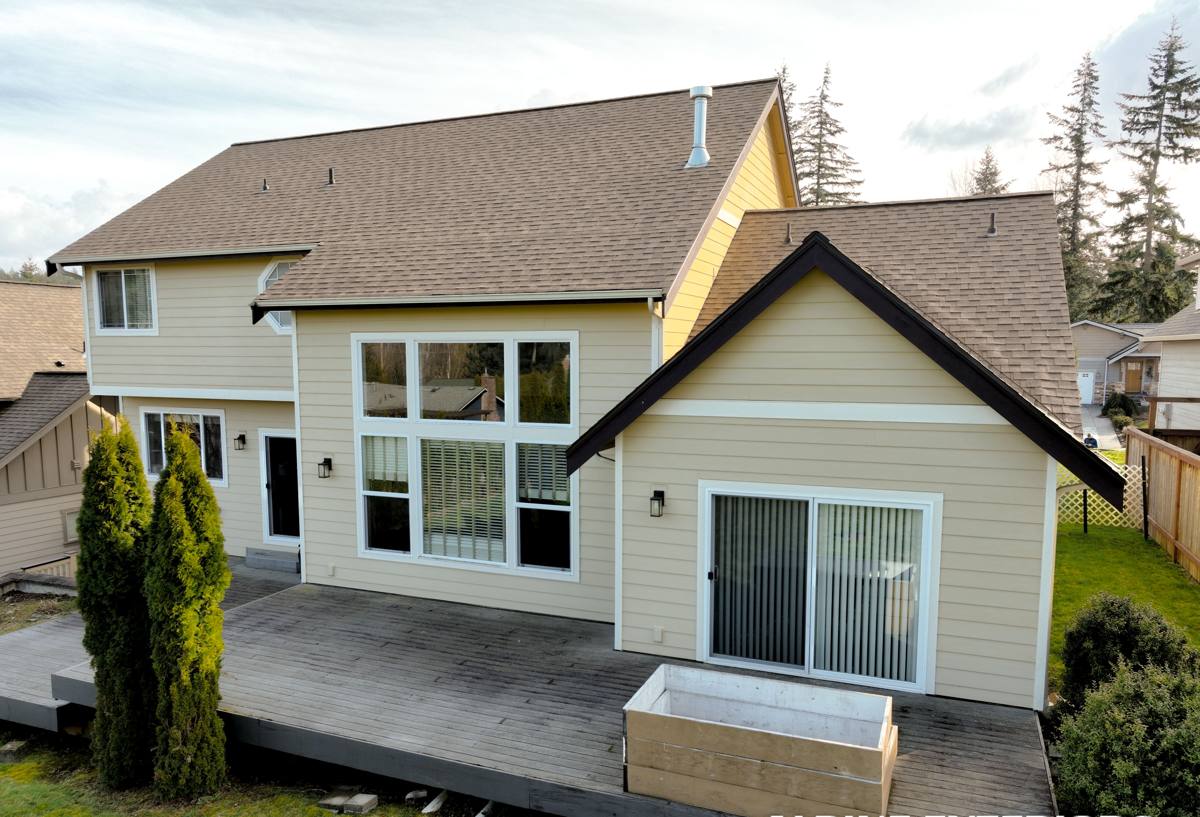
Why Oldsmar's Climate Is Harder on Roofs Than It Looks
Pinellas County gets more sun-hours per year than most of the country, and that constant UV exposure breaks down the asphalt and oils in shingles faster than in cooler, cloudier climates. On top of that, the region's storm pattern brings sustained wind events and short bursts of hurricane-force gusts, plus the wind-driven rain that comes with them — rain that doesn't fall straight down but gets pushed sideways and up under shingle edges, ridge caps, and flashing. Add in the proximity to Tampa Bay and the Gulf, and salt-laden air accelerates corrosion on exposed fasteners, flashing, and any metal roof components that aren't rated for coastal exposure.
None of these factors are unique to Oldsmar, but together they create a specific set of failure points: shingles that granule-loss and curl early from UV, fasteners that back out or rust, flashing that lets in wind-driven rain at valleys and penetrations, and ridge lines that are the first thing to go in a wind event if they weren't sealed and fastened correctly the first time.
What a Correct Shingle Roof Needs Here
Wind Resistance Starts With the Nailing Pattern
Most shingle failures in wind events aren't a product problem — they're an installation problem. Florida's building code sets minimum nailing patterns and fastener counts for high-wind zones, and shortcuts here (fewer nails per shingle, nails placed too high or too low on the shingle, using staples instead of nails) are invisible from the ground but show up the first time a strong gust hits the roof edge or ridge line.
Underlayment Is the Backup Plan
Shingles are the first line of defense, but the underlayment beneath them is what keeps water out if wind ever lifts or damages a shingle during a storm. In a climate with this much wind-driven rain, we treat underlayment as a real waterproofing layer, not a formality — including sealed laps and proper coverage at valleys, eaves, and rakes where water tends to concentrate.
Ventilation Prevents Slow, Hidden Damage
Florida attics get hot, and a roof deck that can't breathe traps that heat and moisture against the underside of the shingles and decking. Over time that shortens shingle life and can lead to deck rot that isn't visible until a re-roof strips the old material off. Balanced intake and exhaust ventilation is part of a correct installation, not an upgrade.
Flashing Details Matter More Than the Shingle Brand
Chimneys, skylights, sidewalls, and valleys are where the vast majority of roof leaks actually start — not in the open field of shingles. Properly formed and sealed flashing at every penetration and transition is what keeps wind-driven rain from working its way in sideways during a storm.
Shingle Options for Oldsmar Homes
There's no single "best" shingle for every home — the right choice depends on budget, how long you plan to stay in the house, and how much wind and impact resistance you want built in. Here's how the common categories compare for a coastal Pinellas County home:
| Shingle Type | Typical Wind Rating | Best For | Trade-Offs |
|---|---|---|---|
| 3-tab shingles | Lower wind rating | Budget-conscious re-roofs, rental properties | Shorter lifespan in high-UV, high-wind conditions; less impact resistance |
| Architectural (laminate) shingles | Higher wind rating than 3-tab | Most owner-occupied Oldsmar homes | Higher upfront cost than 3-tab, but better durability-per-dollar over time |
| Impact-rated (Class 4) shingles | Highest available in asphalt category | Homes prioritizing storm and hail resistance, possible insurance credit | Highest material cost; savings depend on your insurer's discount structure |
We'll walk through these trade-offs honestly during your estimate rather than push the most expensive option — for some homes, a well-installed architectural shingle is the right balance of cost and performance, and for others the impact-rated option pays for itself through insurance premium credits over time.
How We Approach a Shingle Roof Installation in Oldsmar
1. Deck Inspection Before Anything Goes Down
Once the old roofing is stripped, we inspect the decking for soft spots, rot, or delamination — common where old flashing or ventilation let moisture sit for years. Any compromised decking gets replaced before new material goes on; skipping this step is one of the most common shortcuts in the industry and one of the most costly to homeowners later.
2. Underlayment and Flashing First
We install underlayment with attention to lap direction and sealing, then form and set new flashing at every penetration, valley, and wall transition. This is the layer that determines whether wind-driven rain stays out during the next storm, so it doesn't get rushed.
3. Shingles, Installed to Florida's Wind Standards
Shingles go down following manufacturer specifications and Florida Building Code fastening requirements for our wind zone — correct nail count, correct placement, and correct exposure at every course, including hand-sealing where the climate calls for it.
4. Ridge, Ventilation, and Final Details
Ridge caps and ventilation components are installed last, since they take the most direct wind exposure on the roof. We check that intake and exhaust ventilation are balanced before calling the job finished.
5. Walkthrough and Cleanup
We do a final inspection with the homeowner, cover any warranty and maintenance details, and make sure the property is cleared of debris and stray fasteners, including a magnetic sweep of the yard and driveway.
Signs an Oldsmar Roof Needs a Closer Look
Because shingle damage often starts small and hidden, it helps to know what to watch for between inspections:
- Granules collecting in gutters or at downspout outlets
- Shingles that look curled, cupped, or lifted at the edges
- Bald or shiny patches where granules have worn away
- Missing shingles or exposed nail heads after a storm
- Soft spots underfoot in the attic or ceiling stains after heavy rain
- Visible rust streaks around flashing, vents, or fasteners
- Daylight visible through the roof deck from inside the attic
Any one of these is worth a professional look, especially after a named storm or a season of unusually high winds.
What Drives the Cost of a Shingle Roof in Oldsmar
Every roof is priced based on the specifics of the home, but the same handful of factors tend to move the number up or down:
| Factor | Why It Matters |
|---|---|
| Roof size and number of facets | More cuts, valleys, and hips mean more labor and material waste |
| Existing layers and tear-off scope | Multiple old layers add disposal cost and deck-inspection time |
| Deck condition | Rotten or delaminated decking needs replacement before shingles go on |
| Shingle class chosen | 3-tab, architectural, and impact-rated products carry different material costs |
| Ventilation and flashing needs | Homes with inadequate existing ventilation may need added intake/exhaust components |
| Permit and code requirements | Pinellas County permitting and current wind-code standards apply to every re-roof |
We give a written, itemized estimate so you can see exactly what's driving your number rather than a single lump sum.
Permits and Code Compliance in Pinellas County
Re-roofing in Oldsmar requires a permit through Pinellas County, and the installation has to meet current Florida Building Code wind-load requirements for our region. We handle the permitting and inspection process as part of the job, so you're not left tracking down paperwork or coordinating inspector visits yourself. This also matters for insurance: many carriers ask for proof of permitted work and code-compliant installation when a roof claim comes up, so cutting corners on permitting can cost you far more than it saves.
Why It Matters to Hire a Crew That Already Works in Oldsmar
A roofing crew that regularly works this part of Pinellas County already knows the local permitting office's process, understands how this specific stretch of coastline behaves in a storm, and isn't learning wind-code requirements or salt-air material considerations on your roof. That familiarity shows up in small but real ways — faster permit turnaround, fewer surprises during inspection, and a crew that recognizes early warning signs specific to homes exposed to Tampa Bay's weather patterns rather than treating every roof the same regardless of location. It also means a faster response if a storm comes through and you need someone who already knows the area on-site quickly.
Maintenance After Your New Roof Goes On
A correctly installed shingle roof still benefits from basic upkeep in this climate. Keep gutters clear so water doesn't back up under the shingle edge, trim back overhanging branches that scrape granules loose in wind, and have the roof looked at after any major storm even if nothing looks obviously wrong from the ground. Catching a lifted shingle or a small flashing gap early is a much smaller repair than waiting for it to become a leak.
If you're weighing a shingle roof for your Oldsmar home, we're happy to take a look and give you a straightforward, no-pressure estimate — no obligation, just an honest read on what your roof actually needs. Use the form below to get started.