 Clearwater Roofing
 Siding Built for Safety Harbor's Waterfront Conditions
Safety Harbor sits right on Old Tampa Bay, which means homes here deal with a specific mix of stresses that inland Pinellas County properties don't face as intensely: near-constant humidity, direct salt air drifting off the water, brutal summer UV, and the wind-driven rain that comes with every tropical system that tracks through the bay. Siding here isn't just a cosmetic choice — it's the layer standing between your home and a climate that never really lets up.
We install siding across Clearwater and the surrounding Pinellas County communities, and Safety Harbor has its own personality within that footprint. The tree canopy is heavier in some of the older neighborhoods, which means more shade but also more moisture retention and organic debris against exterior walls. The proximity to the water means salt exposure is a real factor even a few blocks inland. And because many homes here are older, we regularly find siding that was installed correctly for its era but never accounted for how much punishment coastal exposure adds up to over twenty or thirty years.
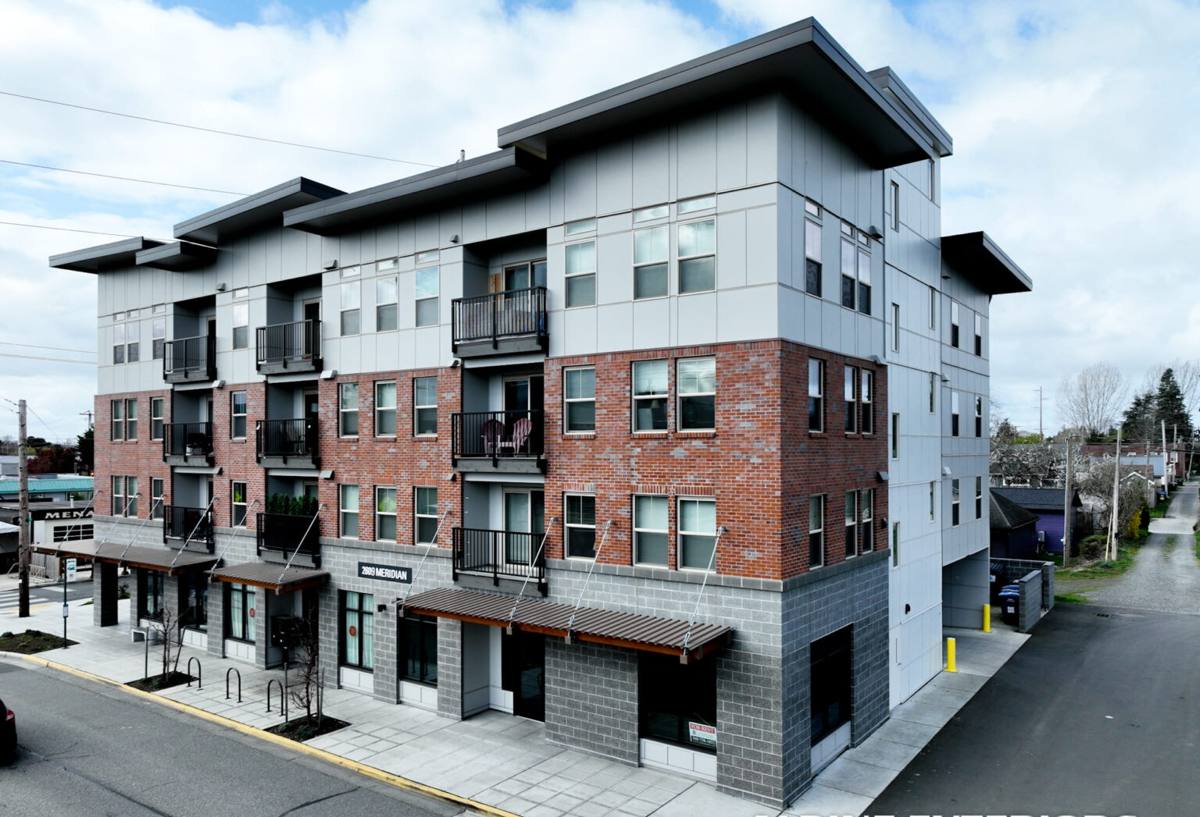
What Safety Harbor Homes Actually Need From Their Siding
Moisture Management First
Wind-driven rain during a tropical storm or hurricane doesn't fall straight down — it gets pushed sideways and upward into laps, seams, and penetrations that would stay dry in a normal rainstorm. Siding that isn't installed with the right clearances, flashing, and drainage plane will trap that moisture behind it, and in Safety Harbor's humidity, trapped moisture doesn't dry out quickly. That's when you start seeing swelling, soft spots, and eventually rot in the sheathing behind the siding — not because the siding failed on its own, but because water got in and had nowhere to go.
UV and Heat Cycling
Florida sun is intense nearly year-round, and siding on west- and south-facing walls in Safety Harbor takes a real beating. Cheaper paint finishes chalk, fade, and crack under that kind of UV load, and the constant expansion and contraction from daily heat cycling stresses caulk joints and fasteners over time. A siding product's finish quality matters as much as the substrate underneath it.
Salt Air Corrosion
Being close to Old Tampa Bay means airborne salt settles on exterior surfaces even when there's no direct ocean view. Salt accelerates corrosion in fasteners, trim flashing, and any metal components tied into the siding assembly. Using the wrong fastener material, or skipping corrosion-resistant flashing details, shortens the life of an installation regardless of how good the siding panel itself is.
Wind Resistance
Pinellas County's wind load requirements exist because they have to — hurricane-force gusts are a real possibility most years, and siding that isn't fastened to spec can peel off a wall in a storm, exposing the sheathing behind it to direct wind and rain. Correct fastening schedules and starter strip details aren't optional extras; they're what keeps the siding attached when it matters most.
Why We Install Only James Hardie Fiber Cement
We made a decision as a company to install James Hardie fiber cement siding exclusively — not LP SmartSide, not vinyl, not Cemplank or Allura, not primed spruce or cedar. That's a deliberate standard, not a sales pitch, and it's worth explaining honestly.
Vinyl siding is affordable and low-maintenance, but it's a petroleum-based product that softens and can warp under sustained high heat, and it doesn't hold up structurally the way fiber cement does in high-wind events — it's more prone to cracking or blowing off in storm-force gusts. Wood siding, whether cedar or primed spruce, looks great initially but is organic material in a climate that stays humid most of the year; it needs consistent maintenance to fight moisture absorption, and Safety Harbor's tree cover and bay-side humidity make that maintenance burden heavier than most homeowners want to sign up for. Engineered wood products like LP SmartSide use a wood-strand core with a resin coating — a reasonable product in drier climates, but wood-based cores are inherently more moisture-sensitive than fiber cement, and that's a meaningful trade-off in a place where wind-driven rain finds every gap.
James Hardie fiber cement is a mix of cement, sand, and cellulose fibers — it's non-combustible, doesn't rot, doesn't attract termites, and holds paint and factory finishes far longer than wood or vinyl because the substrate itself doesn't move much with temperature and humidity swings. Hardie also engineers specific product lines for different climates through its HZ system, and homes in our part of Florida get the HZ10 formulation, built specifically to handle high humidity and moisture exposure rather than a generic one-size-fits-all panel. That climate-specific engineering is a big part of why we standardized on it.
ColorPlus Finish and Long-Term Appearance
Most of what we install carries Hardie's ColorPlus factory finish — a baked-on, multi-coat finish applied under controlled conditions rather than field-painted after installation. In a climate with this much UV exposure, that matters: factory-applied finishes are more UV-stable and consistent than a field-applied coat, and they come with their own finish warranty separate from the substrate warranty. For a bay-side town like Safety Harbor, where sun exposure and salt air both work against a finish, starting with a factory finish engineered for exactly that kind of punishment is a meaningful head start.
What a Correct Installation Actually Involves
The siding panel itself is only part of the equation — the installation details are where most long-term failures actually originate. A correct James Hardie installation in a coastal Pinellas County environment includes:
- A properly installed water-resistive barrier (house wrap) behind the siding, lapped correctly to shed water downward
- Correct fastener type, spacing, and penetration depth per Hardie's published fastening schedule — not "close enough"
- Proper clearance between the bottom edge of siding and roofing, decks, and grade to prevent wicking moisture
- Rigid flashing at all windows, doors, and penetrations, integrated with the water-resistive barrier — not caulk used as a substitute for flashing
- Correct joint treatment at butt joints and corners, sealed with a product compatible with Hardie's specifications
- Ventilation behind the cladding where required, so any incidental moisture can dry out rather than sit trapped
Skipping any one of these doesn't show up as a problem on day one — it shows up three, five, or ten years later as a soft spot near a window, a stained soffit, or a section of siding that's failing while the rest of the wall looks fine. That gap between "installed" and "installed correctly" is the single biggest factor in how long siding actually lasts in this climate.
Our Process for a Safety Harbor Siding Project
1. Inspection and Assessment
We start by walking the exterior with you, checking existing siding condition, sheathing where it's exposed or accessible, window and door flashing, and any areas showing prior water intrusion. Bay-side and heavily shaded lots often reveal moisture issues that aren't visible from the street, so we look closely at north-facing walls and areas with less sun exposure to dry things out.
2. Removal and Substrate Check
Old siding comes off in sections so we can inspect the sheathing underneath before it's covered back up. This is the point where hidden rot or prior water damage gets caught and addressed — covering over a compromised substrate with new siding just delays the same problem.
3. Water-Resistive Barrier and Flashing
We install or replace the house wrap and integrate flashing at every penetration before a single piece of siding goes up. This step is invisible once the job is done, but it's the part that determines whether the wall stays dry through the next decade of storms.
4. Siding Installation
Panels, fasteners, and joints go in per Hardie's fastening and clearance specifications, adjusted for Safety Harbor's wind exposure and the specific elevation and orientation of your home.
5. Trim, Caulking, and Finish Details
Corner boards, trim, and joint sealant get finished with materials compatible with the ColorPlus system, and we do a final walk-through to check reveals, fastener patterns, and clearances before calling the job complete.
Comparing Siding Options for a Safety Harbor Home
| Factor | James Hardie Fiber Cement | Vinyl | Wood / LP SmartSide |
|---|---|---|---|
| Moisture resistance | Does not absorb or rot | Not moisture-sensitive itself, but seams can leak | Vulnerable to moisture absorption over time |
| Wind performance | Rated for high wind zones when installed to spec | Can crack or detach in sustained high winds | Fastening can loosen; wood can split |
| UV / fade resistance | ColorPlus factory finish, long fade resistance | Can fade and become brittle in high UV | Field-applied paint needs more frequent recoating |
| Fire resistance | Non-combustible | Combustible | Combustible |
| Maintenance | Periodic caulk/paint check, no rot treatment needed | Low maintenance but limited repair options | Regular sealing/painting to control moisture |
Cost Factors to Understand Before You Get an Estimate
| Factor | How It Affects Your Project |
|---|---|
| Home size and wall complexity | More corners, dormers, and trim detail mean more labor and material cuts |
| Substrate condition | Rotted sheathing found during tear-off adds repair cost before new siding goes on |
| Siding profile and plank width | Lap width and texture (smooth vs. cedar-style) affect material pricing |
| Trim and accessory scope | Corner boards, window trim, and soffit work are often priced separately from the field siding |
| Access and site conditions | Mature landscaping, tree cover, or tight lot lines common in older Safety Harbor neighborhoods can affect labor time |
We give straightforward, itemized estimates rather than a single lump number, so you can see exactly what's driving the cost on your specific home.
What to Check When Hiring a Siding Contractor Here
- Do they have current Florida contractor licensing and insurance, and will they show you proof without being asked twice?
- Do they follow the manufacturer's published fastening and clearance specifications, or just "how we've always done it"?
- Will they inspect and address the sheathing underneath, not just install over whatever is there?
- Do they understand wind-load and flashing requirements specific to coastal Pinellas County, not just general best practices?
- Can they explain, in plain terms, why they use the products they use — and what they won't install and why?
Why Local Experience in Safety Harbor Matters
A crew that regularly works Safety Harbor and the broader Clearwater area understands the specific combination of factors this town presents — bay-facing wind exposure, heavier tree canopy on older lots, salt air even on inland streets, and the humidity that never fully lets up. That's different from generic statewide experience. It shows up in small decisions: which side of the house needs extra attention to drying time, which fastener spec holds up best a few blocks from the water, how much clearance to leave given the drainage patterns on a specific lot. None of that replaces a manufacturer's installation spec, but it's the difference between a technically correct install and one that's actually tuned to the conditions your specific home will face for the next several decades.
If your Safety Harbor home needs new siding, or you're evaluating whether your current siding is holding up the way it should, we're happy to take a look. We offer a free, no-pressure estimate — walk the property with you, point out anything we find, and give you a straightforward answer on what correct installation would involve for your home. Use the form below to get started.