 Clearwater Roofing
 Storm Damage Roof Repair for Coachman Ridge Homes
Coachman Ridge sits inland from the coastline but still takes a real beating from Gulf-side weather systems that roll across Pinellas County. Homeowners here deal with the same core threats as anywhere else in Clearwater — hurricane-force wind gusts, sideways wind-driven rain, and relentless UV exposure between storms — but the specific mix of roof ages, tree cover, and construction styles in this neighborhood shapes what "storm damage" actually looks like on the ground. This page covers what a proper storm damage repair involves here, how our process works, and what to check before you sign anything with a contractor after a storm.
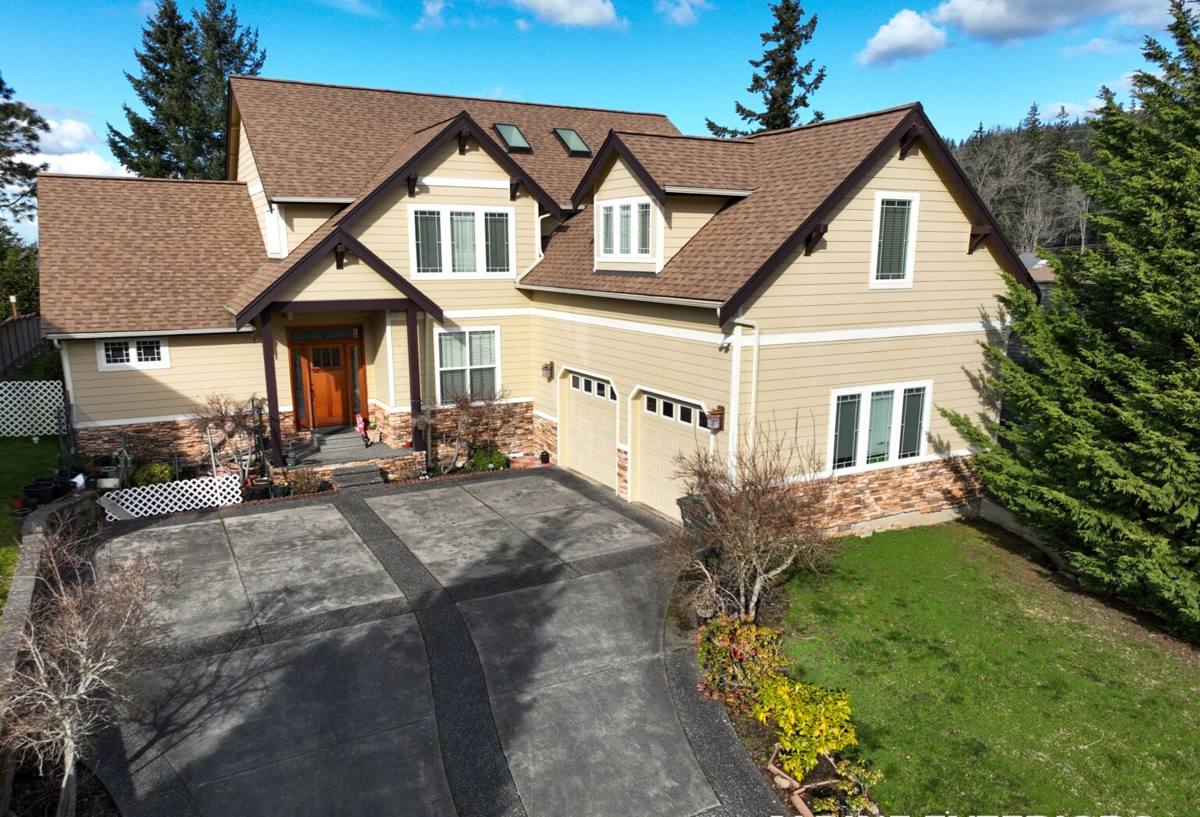
Why Storm Damage Shows Up Differently in Coachman Ridge
Every neighborhood in the Tampa Bay area faces the same weather, but the way it damages a roof depends on the roof's age, pitch, material, and how exposed it is to wind and sun. In established residential pockets like Coachman Ridge, we typically see a mix of original-construction shingle roofs and newer replacements installed after prior storm cycles. That mix matters because older roofs — especially anything past 15-18 years — have already lost a meaningful amount of granule coverage and sealant strength, which means they take storm stress differently than a roof installed in the last five years.
Mature tree canopy is common in older Clearwater neighborhoods, and Coachman Ridge is no exception in areas with established landscaping. Overhanging limbs do two things during a storm: they drop debris that punctures or bruises shingles, and they scour roof surfaces during high wind, accelerating granule loss in ways that aren't always obvious from the ground.
The Three Climate Forces at Work
- Wind: Sustained tropical-storm and hurricane-force gusts lift shingle edges, work fasteners loose, and peel back ridge caps — often starting at the same weak points a roof already had before the storm.
- Wind-driven rain: Rain pushed sideways by wind finds its way under lifted shingles, through nail holes, and around flashing that's lost its seal, even when the roof surface looks intact from the street.
- UV and heat: Year-round Florida sun bakes asphalt shingles, dries out sealant strips, and makes materials brittle — so a roof that was already sun-stressed is far more likely to crack or tear during the next wind event, rather than just flex and hold.
What Correct Storm Damage Repair Actually Involves
A lot of storm repair work in this area gets done fast and shallow — a few replaced shingles and a tube of sealant — because that's what gets a roof looking fine from the driveway. The problem is that storm damage is rarely limited to what's visible. Wind and rain intrusion tend to affect connected systems, not isolated spots, so a repair that only addresses the obvious damage often leaves the underlying cause untouched.
What We Actually Check
- Shingle condition across the entire roof plane, not just the area reported as damaged — creased, lifted, or missing shingles nearby are often early signs of the same wind event
- Nail pattern and fastening — improperly nailed shingles are far more likely to blow off in the next wind event, even after a "repair"
- Flashing at every penetration — chimneys, vents, skylights, and wall intersections — since flashing failure is one of the most common sources of hidden leaks after wind storms
- Ridge caps and hip lines, which take the most direct wind load on a sloped roof
- Underlayment and decking condition wherever shingles have been lifted or removed, checking for water staining, soft spots, or delamination
- Gutter and drip edge attachment, since wind that's strong enough to damage shingles often loosens these as well
Skipping any of these means the repair addresses a symptom instead of the actual failure point — which is how the same "leak" reappears after the next storm.
Our Process, Start to Finish
1. Inspection and Documentation
We walk the full roof, not just the reported problem area, and document what we find with clear photos and notes. This documentation matters for two reasons: it gives you an honest picture of what actually needs repair versus what can wait, and it supports an insurance claim if the damage qualifies.
2. Honest Scope — Repair vs. Replace
Not every storm-damaged roof needs full replacement, and not every roof can be responsibly patched. We'll tell you plainly which category yours falls into based on age, existing wear, and the extent of the damage — not based on which answer is more profitable for us.
3. Temporary Protection When Needed
If there's active leaking or exposed decking, our first priority is stopping water intrusion — tarping or dry-in protection — before we schedule the permanent repair. Florida's rain doesn't wait for a repair appointment to be convenient.
4. The Repair Itself
Matching shingle repairs are done with proper nailing patterns and manufacturer-spec practices, not just tucked in and sealed over. Flashing is replaced, not just re-caulked, wherever it's compromised. Ridge and hip repairs are tied back into sound surrounding material so there's no obvious transition point that becomes the next failure spot.
5. Final Walkthrough
We walk the finished repair with you, point out what was done and why, and leave you with documentation you can keep for insurance or future resale purposes.
Repair vs. Replacement: What Actually Drives the Decision
| Factor | Leans Toward Repair | Leans Toward Replacement |
|---|---|---|
| Roof age | Under 10-12 years | Past 15-18 years or original shingle life expectancy |
| Damage extent | Isolated to one slope or area | Spread across multiple slopes or repeated in past storms |
| Decking condition | Dry, solid decking underneath | Soft spots, staining, or rot found during tear-back |
| Granule loss | Minimal, localized | Widespread balding visible on multiple slopes |
| Prior repair history | First storm-related issue | Third or fourth patch on the same roof |
None of these factors alone makes the decision — it's the combination that matters, which is why an in-person inspection is worth more than a phone estimate.
Insurance Claims: What Homeowners Should Know
Storm damage claims move faster and more smoothly when the damage is documented promptly and clearly, before repairs begin. We provide photo documentation and a written scope of damage that you can submit with your claim. We don't handle the claim itself or negotiate with your carrier on your behalf — that's between you and your insurer — but a clear, honest report from a contractor who actually inspected the roof makes that conversation easier on your end.
One thing worth knowing: insurers scrutinize storm claims closely in coastal Florida markets, given how common hurricane and wind damage claims are countywide. A vague or exaggerated damage report tends to slow a claim down rather than speed it up, which is another reason we document only what we actually find.
Why It Matters to Hire a Crew That Already Works Coachman Ridge
After a significant storm, Clearwater and the broader Tampa Bay area see an influx of traveling repair crews — some legitimate, many not. A crew that's unfamiliar with the area has no track record here, no local reputation to protect, and often no plan to still be answering the phone in six months if a repair fails.
Working this neighborhood regularly means we're familiar with the common roof ages and construction styles in Coachman Ridge, we're not guessing at permit requirements for Pinellas County and the City of Clearwater, and we're local enough that a callback isn't a multi-hour drive for us. That matters more after a storm than most homeowners realize — the repairs that fail are disproportionately the ones done under time pressure by crews that won't be back.
Questions Worth Asking Any Roofer After a Storm
- Are you licensed and insured to do roofing work in Pinellas County, and can you show proof?
- Will you provide a written scope of damage and repair, not just a verbal estimate?
- Do you pull the required permit for this repair, or is that being skipped?
- What's your warranty on the repair labor itself, separate from any manufacturer material warranty?
- Can you provide a local address or reference, not just a phone number and a truck?
Preventive Steps Between Storms
Storm damage repair isn't just about fixing what already broke — it's also a chance to reduce what breaks next time. A few things worth doing on any Coachman Ridge roof, whether or not you've had recent damage:
- Trim back tree limbs that overhang or touch the roof surface
- Clear gutters and downspouts before hurricane season so wind-driven rain has somewhere to go
- Have loose or lifted shingles resealed or replaced promptly rather than waiting for the next storm to finish the job
- Check attic ventilation — poor ventilation accelerates UV and heat damage to the underside of shingles and decking
- Keep a simple record of past repairs and their dates, which speeds up both future repairs and insurance claims
What a Realistic Cost Range Looks Like
Storm damage repair costs vary widely depending on scope — a single-slope shingle and flashing repair is a very different job from a multi-slope repair with decking replacement. Rather than quote a number that doesn't apply to your roof, we provide a firm, itemized estimate after the inspection, so you know exactly what you're paying for and why before any work starts.
If a recent storm has left you with missing shingles, a new leak, or just some uncertainty about whether your roof came through okay, we're happy to take a look. Fill out the form below for a free, no-pressure estimate from a crew that works Coachman Ridge and the rest of Clearwater regularly.