 Clearwater Roofing
 Windows Built for Del Oro's Climate, Not Just Its Curb Appeal
Del Oro homes sit squarely in Pinellas County's most demanding weather zone. Between hurricane-force wind events, near-constant UV exposure, wind-driven rain, and the slow corrosive drip of salt air off the Gulf, windows here work harder than almost anywhere else in the country. A window that performs fine in a drier, calmer climate can fail early in Del Oro — not catastrophically, just quietly: seals softening, frames chalking, hardware pitting, glass fogging between panes. Replacing windows in this neighborhood isn't a cosmetic upgrade. It's a structural and energy decision that has to account for what the Gulf Coast actually throws at a house year-round.
This page is about one job, done right, in one place: window replacement for Del Oro homes in Clearwater. Not a general overview of window options nationwide — the specific realities of doing this work correctly on the Pinellas County coast.
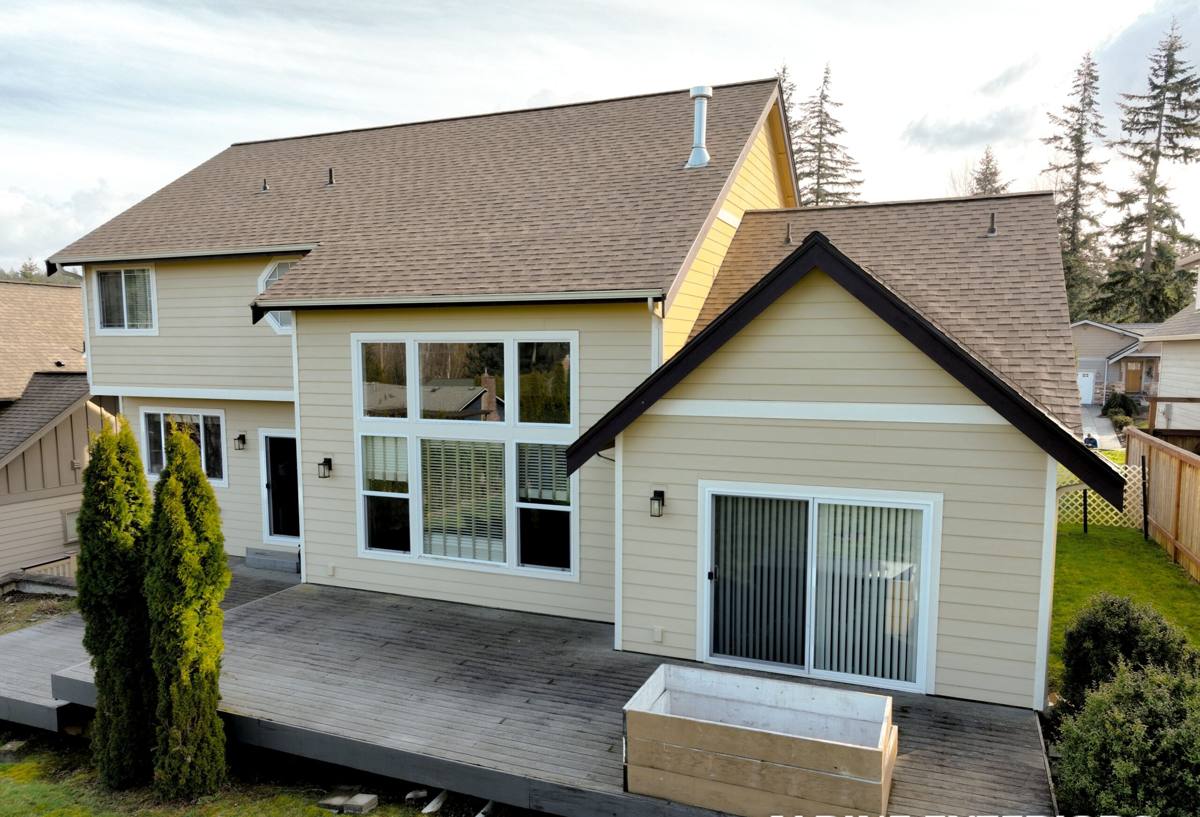
What Del Oro's Climate Actually Does to Windows
Wind and Pressure
Clearwater sits in a wind-borne debris region under Florida Building Code, which means windows aren't just rated for a wind speed number — they have to hold up under repeated pressure cycling and, in many cases, resist impact from flying debris during a storm. A window that isn't rated correctly for this zone isn't a minor code technicality; it's the difference between a house that stays sealed during a named storm and one that doesn't.
UV Exposure
Florida sun is relentless on window components year-round, not just in summer. UV breaks down vinyl frames, degrades seals, and fades interior finishes near glass. Lower-quality frame materials chalk, warp, or discolor faster here than they would in a milder climate, and that shows up as early as three to five years in west- and south-facing windows.
Wind-Driven Rain
Storms in this area rarely come straight down. Wind pushes rain sideways and upward into frame joints and sill areas that a window in a calmer climate never has to resist. Poor flashing or a rushed installation won't leak on a sunny day — it leaks during the exact storm that matters most, which is often the first time anyone finds out something was done wrong.
Salt Air Corrosion
Even set back from the immediate waterfront, Del Oro gets enough salt-laden air to accelerate corrosion on hardware, screws, and metal reinforcement inside window frames. Fasteners and components that aren't corrosion-resistant can fail from the inside — hinges seizing, locks stiffening, screws rusting — well before the glass or frame itself shows any wear.
What a Correct Window Replacement Involves
A proper replacement in this climate is a sequence, not a single step, and skipping or rushing any part of it is where most premature failures start.
- Assessment of the existing opening. Checking for rot, moisture intrusion, settling, or out-of-square framing before any new window goes in. Installing a new window into a compromised opening just locks a hidden problem behind new trim.
- Correct product selection for the exposure. A west-facing wall taking direct afternoon sun and a shaded north wall don't need identical glass packages. Wind zone, sun exposure, and whether the elevation faces open water all factor into the right spec.
- Removal without damage to the surrounding structure. Old frames, especially aluminum ones common in older Florida construction, need to come out clean so the opening isn't enlarged or weakened.
- Flashing and weatherproofing before the window ever goes in. This is the step that determines whether wind-driven rain stays out. It happens at the rough opening, not after the window is set.
- Proper anchoring per the window's engineering. Impact and wind-rated windows are only rated as tested — with a specific fastener pattern, type, and spacing. Substituting shortcuts here voids the rating even if the window itself is correct.
- Sealing and trim work that shed water, not trap it. Sealant placement matters as much as sealant quality — trapped moisture behind a bead of caulk causes more damage than no caulk at all.
- Final function and weather check. Every window should operate smoothly, lock fully, and show no gaps before the job is called done.
Choosing the Right Glass and Frame Package
There's no single "best" window for every Del Oro home — it depends on the elevation, the home's age, and the budget. But there are meaningful trade-offs worth understanding before deciding.
| Factor | What to Consider | Why It Matters in Del Oro |
|---|---|---|
| Impact rating | Impact-rated glass vs. standard glass with separate shutters | Impact glass stays in place permanently — no scrambling to install panels before a storm |
| Frame material | Vinyl vs. aluminum vs. fiberglass | Quality vinyl and fiberglass resist salt corrosion better than untreated aluminum; frame choice affects long-term maintenance |
| Glass coating (Low-E) | Low-E coatings reduce heat and UV transmission | Cuts cooling costs and slows interior fading from year-round Florida sun |
| Tint / heat rejection package | Standard vs. enhanced solar control glass | West and south exposures in Del Oro benefit most from upgraded heat rejection |
| Hardware finish | Standard vs. corrosion-resistant hardware | Salt air shortens the life of untreated locks and hinges |
| Warranty structure | Manufacturer glass/frame warranty vs. installer workmanship warranty | Most window failures near the coast trace back to installation, not the product — both warranties matter |
We won't push a premium package where it doesn't make sense, and we won't recommend a bargain product on an exposed elevation where it's likely to underperform. The right spec depends on which side of the house it's going on and how long the homeowner plans to stay in it.
Energy and Comfort Gains Homeowners Actually Notice
Older single-pane or early dual-pane windows in Del Oro homes are often the single biggest source of heat gain in the house. Replacing them with a properly rated, Low-E dual-pane window typically shows up as a noticeably steadier indoor temperature, less strain on the HVAC system during peak summer months, and less fading on furniture and flooring near windows. It's not an exact percentage we'll promise — every home's insulation, orientation, and HVAC condition differ — but the direction of the improvement is consistent and it's one of the more tangible upgrades a homeowner will actually feel day to day.
Why a Crew That Already Works Del Oro Matters
Window replacement is a permitted job in Pinellas County, and code requirements for wind load and impact resistance apply based on the home's specific wind zone and exposure category. A contractor who already works this neighborhood knows the typical construction styles found here, has already pulled permits with the local building department, and understands which product ratings clear inspection without back-and-forth delays. That familiarity translates directly into fewer surprises, fewer change orders, and a job that passes inspection the first time.
It also means realistic expectations about timeline. Coastal Pinellas County demand and permitting cycles affect scheduling, and a crew that works here regularly can give an honest timeframe instead of a generic estimate that doesn't hold up once the permit is filed.
Signs Del Oro Homeowners Should Watch For
- Visible condensation or fogging between panes of dual-pane glass
- Frames that feel soft, warped, or show chalking and discoloration
- Windows that are difficult to open, close, or lock smoothly
- Drafts or a noticeable temperature difference near the window when the AC is running
- Visible daylight or gaps around the frame from the interior
- Rust staining on hardware, screws, or frame components
- Increasing cooling bills without another clear explanation
- Any sign of water staining on interior walls or sills below or beside windows
Any one of these on its own isn't necessarily urgent, but a home showing several of them together is usually overdue for an honest look, not just another round of caulk.
What the Estimate and Project Process Looks Like
A useful estimate for window replacement isn't a number pulled from a square-footage chart. It starts with actually looking at each opening — checking the framing, measuring each window individually since older homes are rarely perfectly uniform, and noting which elevations take the most sun and weather exposure. From there, we walk through product options and trade-offs in plain terms, provide a written scope that spells out what's included (removal, disposal, flashing, trim, cleanup), and handle the permit process so the homeowner isn't stuck navigating county paperwork alone. Installation is scheduled around weather, and every window is checked for proper operation and seal before the job is considered complete.
A Straightforward Approach to a Coastal Investment
Window replacement is one of the larger exterior investments a Del Oro homeowner will make, and it's also one that's genuinely hard to inspect after the fact — the parts that matter most, like flashing and anchoring, are hidden once trim goes back on. That's exactly why the process matters as much as the product. A correctly specified, correctly installed window should hold up to Clearwater's wind, sun, rain, and salt air for decades. A rushed one, even with premium glass, can fail years early in ways that are expensive and disruptive to fix.
If windows in your Del Oro home are showing wear, feeling drafty, or you're simply planning ahead of the next storm season, we're happy to take a look and give you a straightforward, no-pressure estimate — no obligation, just an honest read on what your home actually needs. The form below is the easiest way to get started.