 Clearwater Roofing
 Board & Batten Siding in Harbor Oaks: Built for This Specific Coastline
Harbor Oaks sits close to the water, with the kind of mature tree canopy and older housing stock that gives the neighborhood its character. That same setting — proximity to Clearwater Harbor, exposure to Gulf-fed storms, and a mix of historic and updated homes — means siding here works harder than siding fifty miles inland. Board and batten is a popular choice for the neighborhood's cottage, craftsman, and coastal-style homes, but the vertical board-and-seam design behaves differently in a storm than standard horizontal lap siding, and it needs to be installed with that difference in mind.
This page covers what board and batten siding specifically needs to hold up in Pinellas County's climate, what a correct installation actually involves, and why a crew that already works Harbor Oaks on a regular basis makes a real difference in the outcome.
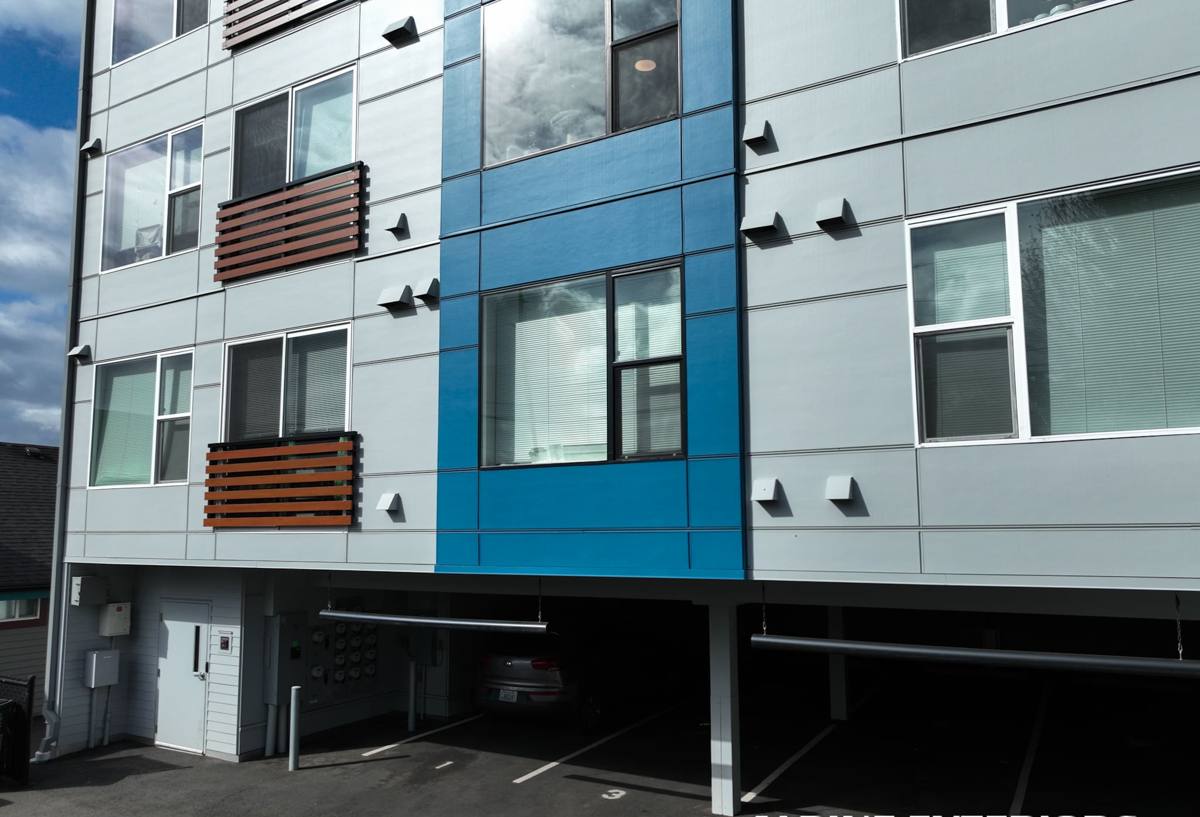
What Board and Batten Siding Is (and Why Homeowners Choose It)
Board and batten is a vertical siding pattern: wide boards or panels installed side by side, with narrow strips — the battens — covering the seams between them. It's an older architectural style that reads as clean, vertical, and slightly more custom than standard horizontal lap siding, which is part of why it shows up often on the older and architecturally distinct homes in and around Harbor Oaks. Homeowners tend to choose it for the look first, but the performance of the system depends entirely on what it's made of and how the seams are handled — which is where board and batten either holds up for decades or becomes a recurring maintenance headache.
How It Differs from Lap Siding in Practice
Lap siding sheds water downward across overlapping horizontal courses — gravity does most of the work. Board and batten relies on the batten strip and the seam beneath it to keep water out of a vertical joint that runs from the roofline down to grade. That's a meaningfully different job for the material and the installer, and it's why board and batten is less forgiving of shortcuts than lap siding.
How Clearwater's Climate Specifically Stresses Vertical Seams
The regional climate context that matters most for board and batten isn't generic "Florida weather" — it's the specific combination of hurricane-force wind, constant UV, wind-driven rain, and salt air, and each one attacks this siding style in its own way.
- Wind-driven rain: During tropical storms and hurricanes, rain doesn't fall straight down — it's driven sideways into the wall. On board and batten, that means water is pushed directly at the vertical seams the battens are supposed to protect, not just at the face of the board.
- Hurricane-force wind: Wider panels catch more wind load per fastener than narrow lap boards. If the fastening pattern isn't matched to the panel width and local wind zone, board and batten is more prone to panel flutter and edge lifting in a storm.
- Year-round UV: Constant sun exposure breaks down paint film and unsealed wood fiber over time. On board and batten, the batten strips themselves — often a smaller cross-section than the main boards — show UV wear and caulk failure first.
- Salt air: Being close to the harbor means airborne salt reaches fasteners, flashing, and any exposed metal trim faster than it would inland, accelerating corrosion at exactly the connection points holding the siding on.
What a Correct Board and Batten Installation Involves
A board and batten job that's going to last in this climate isn't just "nail up boards, cap the seams." There are specific steps that determine whether it performs for twenty-plus years or starts failing at the seams within a few.
Moisture Management Behind the Siding
A proper water-resistive barrier and drainage plane behind the panels is non-negotiable in a coastal climate. Board and batten's vertical seams give water a direct path down the wall if it ever gets behind the surface layer, so the barrier underneath has to actually manage that moisture and let it drain and dry rather than trap it against the sheathing.
Fastening Pattern Matched to Wind Zone
Fastener spacing, type, and embedment need to be engineered for Pinellas County's wind exposure, not a generic national minimum. Wider panels need a tighter, more deliberate fastening schedule at the field and edges to resist uplift in sustained hurricane-force gusts.
Batten and Seam Detailing
The batten placement and the caulk or sealant used at each seam matter more on this siding style than almost any other. Battens need consistent, correct spacing over the boards beneath, and the sealant used has to be rated for sustained UV and moisture exposure — not a general-purpose caulk that chalks and cracks within a couple of seasons.
Clearance at Grade and Trim
Board and batten that runs too close to grade, planters, or hardscaping traps moisture at the bottom edge, which is often where failure starts first regardless of material. Correct standoff distance and properly flashed trim at the base of the wall protect the investment from the ground up.
James Hardie Board and Batten: The Only System We Install
We install James Hardie fiber cement exclusively for board and batten — we don't install vinyl board and batten, engineered wood systems like LP SmartSide, or other fiber cement alternatives such as Cemplank or Allura. That's a deliberate standard, not a sales preference, and it comes down to how each material actually performs on a vertical-seam siding style in this specific climate.
James Hardie's vertical panel and trim board system is engineered as fiber cement, which means it doesn't absorb and swell at the seams the way engineered wood products can when a seal fails, and it won't soften or sag under sustained heat and humidity the way vinyl board and batten can. It's factory-finished with ColorPlus technology, a baked-on finish designed to resist UV fade far longer than field-applied paint — which matters directly for the batten strips that take the most sun exposure. Hardie's HZ product lines are engineered specifically for high-humidity, high-moisture climates like ours, and the material is non-combustible, which is a real consideration for homes near dry brush or in tight-lot neighborhoods. It also carries a strong, transferable manufacturer warranty when installed to spec — which is exactly why installing it to spec is the whole point of the job.
We don't install the alternatives because, in this climate, on this siding style, they trade short-term cost savings for longer-term maintenance burden, moisture risk at the seams, or a shorter realistic service life. Homeowners are welcome to choose otherwise elsewhere — we simply won't put our name on an installation we don't believe will hold up on a Harbor Oaks home.
Our Process for Harbor Oaks Projects
Because we already work in this neighborhood, our process is built around the housing stock and conditions we actually see here, not a generic national playbook.
1. On-Site Assessment
We look at the existing wall assembly, check for moisture damage or soft sheathing behind current siding, and assess wind exposure specific to the home's position and height.
2. Substrate Prep and Repair
Any compromised sheathing or framing gets addressed before new siding goes on — covering a problem with new material never fixes it, it just hides it until the next storm.
3. Barrier and Fastening to Spec
Moisture barrier, panel fastening schedule, and batten seam detailing are done to James Hardie's installation requirements and matched to Pinellas County wind and building code requirements.
4. Trim, Flashing, and Finish Detail
Base trim, window and door flashing, and seam sealant are finished with attention to the failure points we described above — grade clearance, UV-rated sealant, and corrosion-resistant fasteners.
5. Final Walkthrough
We walk the finished job with the homeowner, seam by seam, before considering the project complete.
Board and Batten Options Compared
| Factor | James Hardie Fiber Cement | Vinyl Board & Batten | Engineered Wood Board & Batten |
|---|---|---|---|
| Wind-driven rain at seams | Rigid, holds seal well when installed to spec | Can flex and open gaps under wind load | Moisture at seams risks swelling if seal fails |
| UV / color fade resistance | ColorPlus baked-on finish, long fade resistance | Can fade and become brittle with age | Field-applied paint needs earlier recoating |
| Hurricane wind rating | Engineered fastening for high-wind zones | Lower impact and wind resistance generally | Depends on substrate integrity over time |
| Salt air / corrosion exposure | Performs well with corrosion-resistant fasteners | Fasteners and trim still a weak point | Similar fastener exposure risk |
| Fire resistance | Non-combustible | Combustible | Combustible |
| Typical realistic lifespan | Multiple decades when installed to spec | Shorter, especially in high-UV coastal exposure | Shorter if moisture management ever fails |
Maintenance Checklist for Harbor Oaks Homeowners
Whatever siding is on the home now, these are the things worth checking regularly given the local climate:
- Inspect batten seams and caulk lines each spring for cracking, gaps, or discoloration before hurricane season
- Check the base of the siding near grade, planters, and hardscaping for trapped moisture or staining
- Look at fasteners and any exposed trim metal for early rust or corrosion staining
- Clear debris, mulch, and vegetation away from direct contact with the bottom edge of the siding
- After any major storm, walk the exterior looking for lifted panels, loose battens, or impact damage
- Have a professional recheck seam sealant every few years rather than waiting for visible failure
Why a Local Harbor Oaks Crew Matters
Board and batten siding is less forgiving of a generic, one-size-fits-all installation than most other siding styles, and Harbor Oaks' combination of harbor-adjacent exposure, mature tree cover, and older home construction adds its own variables. A crew that already works this neighborhood knows what wind exposure and moisture patterns actually look like on these homes, has already seen how the local climate treats different board and batten systems over time, and can plan the fastening, sealing, and trim details around what this specific coastline does to a wall, not around a national average.
If you're considering board and batten siding for a Harbor Oaks home, we're happy to take a look and walk you through what a correct installation would involve for your specific house. Use the form below to request a free, no-pressure estimate.