 Clearwater Roofing
 Composite Decking Built for Island Estates' Waterfront Conditions
Island Estates sits close to the water, and that changes what a deck has to deal with day to day. Salt-laden air moves off the intracoastal and the Gulf, humidity stays high most of the year, and afternoon sun beats down on outdoor surfaces for months at a stretch. Add in the wind-driven rain and occasional hurricane-force gusts that come with a Pinellas County storm season, and you have an environment that is genuinely tougher on decking than most inland neighborhoods ever see. A deck built for a subdivision forty miles inland is not automatically the right deck for a home two blocks from a canal.
Composite decking has become the practical answer for homeowners here because it's engineered to resist moisture absorption, UV fading, and insect damage in ways solid wood simply can't match. But "composite" isn't one product — board quality, capping, substructure, and fastener choice all vary, and in a waterfront climate those details are the difference between a deck that looks good in year twelve and one that's already showing problems by year four.
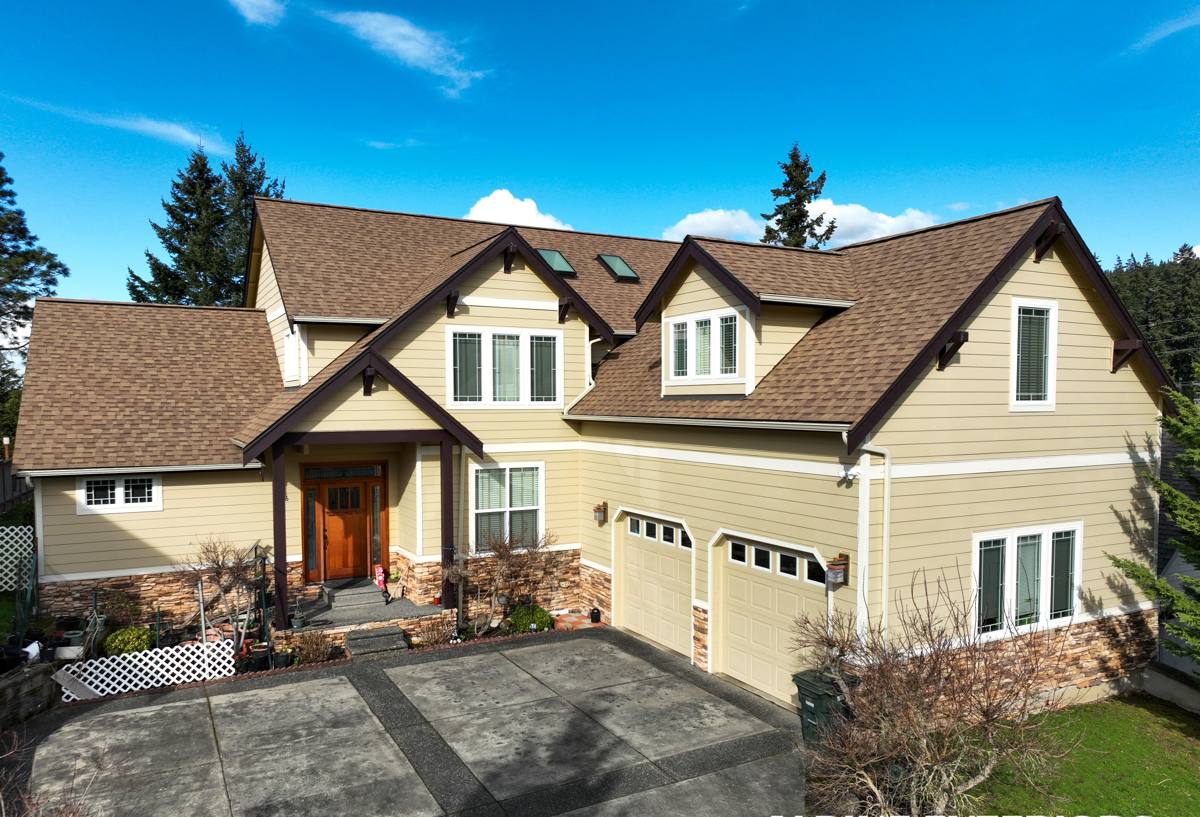
What Island Estates Homes Specifically Need From a Deck
Because Island Estates is a waterfront community, many decks here sit close to seawalls, canals, or open water, which means near-constant exposure to salt spray in addition to normal Florida sun and rain. That combination accelerates two things: fastener corrosion and moisture intrusion at any point where water can collect instead of drain. A deck design that works fine in a dry, shaded backyard elsewhere in Clearwater can fail faster on a waterfront lot simply because the air itself is more aggressive.
Homes in this kind of setting also tend to use their outdoor space more — for entertaining, for boat access, for taking in the view — which means the deck sees more foot traffic, more furniture weight, and more sun exposure over its life than a deck that's an occasional-use side yard. That usage pattern argues for board and framing choices that hold up under both environmental stress and everyday wear, not just whichever option is cheapest up front.
The Main Stressors, in Order of Impact
- Salt air corroding fasteners, brackets, and any exposed metal hardware
- UV exposure fading and degrading uncapped or lower-grade composite boards over time
- Humidity and standing moisture driving mold, mildew, and substructure rot where drainage is poor
- Wind-driven rain forcing water sideways under railings and along ledger boards
- Storm-force wind loads stressing railing posts, connections, and any elevated structure
Composite vs. Wood vs. PVC: What Actually Holds Up Here
We get asked regularly why we steer most Island Estates clients toward composite rather than pressure-treated wood, and it comes down to how each material behaves under repeated wet-dry cycling and salt exposure, not brand preference.
| Material | Moisture Behavior | Maintenance | Typical Coastal Lifespan |
|---|---|---|---|
| Pressure-treated wood | Absorbs and releases moisture constantly; prone to cupping, splintering, and rot at fasteners | Annual sealing/staining required to slow damage | 8-15 years before major repairs, often less near saltwater |
| Standard composite | Low absorption; resists rot but uncapped boards can still take on moisture at cut edges | Periodic cleaning; no sealing or staining | 20-25 years with proper installation |
| Capped composite / PVC | Fully sealed surface resists moisture and salt intrusion on all sides | Occasional cleaning only | 25-30+ years with proper installation |
Wood isn't a bad material in every setting, but for a waterfront lot in Island Estates, the annual upkeep it demands to stay ahead of rot and fastener corrosion is a real ongoing cost — in both money and time — that most clients would rather not carry for decades. That's our honest professional read, not a knock on wood as a material.
What a Correct Composite Deck Installation Involves
The board itself only gets credit for a fraction of a deck's lifespan. Most of the failures we get called to look at — squeaking, soft spots, boards pulling loose, rail posts wobbling — trace back to the substructure or the details underneath, not the decking surface.
The Substructure
Joists need to be spaced and sized to the manufacturer's specification for the specific board being installed, not a generic "close enough" spacing. In a coastal environment we also pay close attention to joist tape and flashing at every cut end and ledger connection, since that's where untreated moisture intrusion starts even on a composite deck.
Ledger and Attachment
Where the deck attaches to the house, proper flashing keeps wind-driven rain from working its way behind the ledger board and into the home's structure — a detail that matters more here than in a sheltered inland yard because storms push rain sideways, not just down.
Fasteners and Hardware
Salt air is hard on standard-grade metal. We use corrosion-resistant, marine-rated fasteners and hidden fastening systems suited to salt exposure, because a deck can have flawless boards and still fail early if the hardware holding it together starts corroding within a few seasons.
Drainage and Grading
Composite doesn't rot the way wood does, but standing water underneath a deck still breeds mold and accelerates hardware corrosion. Correct grading and gapping between boards lets water move through and away instead of pooling against the substructure.
Our Process, From Estimate to Final Walkthrough
- On-site assessment of the space, existing structure (if replacing a deck), drainage, and any waterfront-specific conditions like proximity to a seawall or dock
- Honest walkthrough of board options, substructure needs, and realistic cost ranges — no upsell pressure
- Written estimate covering materials, labor, permitting, and timeline
- Permit pull and code review where required for the scope of work
- Demolition of the old deck (if applicable) and substructure build-out, inspected before boards go down
- Composite board installation, railing, fascia, and stair work
- Final walkthrough with the homeowner before we consider the job complete
Railing, Fascia, and Hardware Choices for Salt Exposure
Railings and fascia trim take a disproportionate amount of weather abuse because they're the most exposed part of the structure — full sun, direct rain, and the first surface salt spray hits. We match railing material and post-to-frame connections to the same coastal-duty standard as the decking itself, since a deck with premium boards and a corroding railing system isn't actually built for this environment. Composite and aluminum railing systems both hold up well here; the wrong choice is typically an unfinished or low-grade metal railing that starts showing rust within a couple of years.
Maintenance That Actually Matters in This Environment
One of the real advantages of composite is how little upkeep it needs compared to wood — but "low maintenance" doesn't mean "no maintenance," especially this close to saltwater.
- Rinse the deck periodically to clear salt residue, especially after storms or high-wind days off the water
- Sweep away organic debris (leaves, pollen, seed pods) before it holds moisture against the boards
- Wash with mild soap and water a few times a year to prevent mildew film in humid stretches
- Check railing posts and hardware annually for early signs of corrosion or looseness
- Confirm gaps between boards stay clear so water keeps draining through, not pooling
- After any major storm, walk the deck and check fastener points and railing connections
Permitting and Storm Considerations in Pinellas County
Deck construction in Clearwater and Pinellas County generally requires a permit, and waterfront properties can carry additional review depending on flood zone designation and setback from the water. Railing height, guard spacing, and structural connections also need to meet current wind-load requirements given the hurricane exposure along this coastline. We handle the permitting and inspection process as part of the job rather than leaving it for the homeowner to sort out, and we build to the wind and moisture standards the area actually demands — not just the minimum to pass inspection.
Why a Crew That Already Works Island Estates Matters
A contractor who works this neighborhood regularly already knows what waterfront exposure does to fasteners, framing, and low-grade boards over a few seasons, because they've been back to fix decks that skipped those details. That experience shows up in small decisions — flashing choices, hardware grade, board spacing for drainage — that don't show up on a quote but absolutely show up in how the deck holds up ten years in. It also means faster, more accurate estimates, since we're not guessing at what a waterfront lot in this specific area throws at a structure.
If you're considering a new composite deck or replacing an aging wood one in Island Estates, we're glad to come take a look and give you a straightforward, no-pressure estimate — just fill out the form below to get started.