 Clearwater Roofing
 Windows Built for What Countryside Actually Deals With
Countryside sits inland from the Gulf, but "inland" in Pinellas County doesn't mean sheltered. Sea breeze carries salt air across the whole peninsula, storm systems don't check neighborhood boundaries before they bring hurricane-force gusts and wind-driven rain, and the Florida sun works on window seals, frames, and glazing twelve months a year regardless of how far you are from the water. A window that was fine for a house in the Midwest or even parts of North Florida can fail early here — seals dry out and crack, aluminum frames pit and corrode, vinyl can warp under sustained UV, and any gap around an aging frame becomes an entry point for wind-driven rain during a summer storm.
Custom windows aren't about luxury upgrades for their own sake. In this climate, "custom" mostly means correctly sized, correctly rated, and correctly installed for the specific openings in your specific house — which is rarely a perfect match for whatever stock size a big-box retailer stocks.
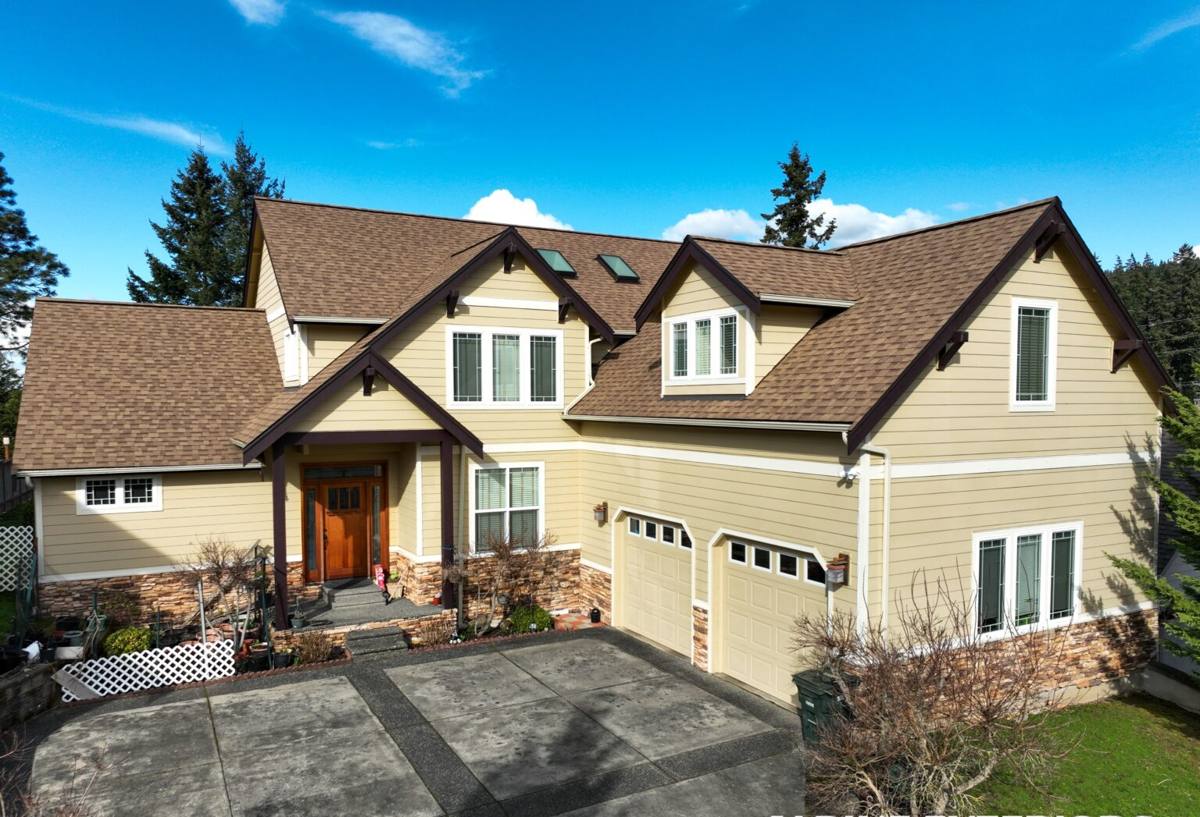
What "Custom" Actually Means for Your Windows
Fit, Not Just Style
Older Countryside homes, additions, and remodeled openings often aren't standard dimensions. A custom window is manufactured to the exact rough opening after we measure it — not trimmed down or shimmed to fit a close-enough stock unit. That precision matters more here than in a dry climate, because every gap you fill with extra caulk or foam instead of a true fit is a future point of water intrusion.
Rated for Local Conditions
Custom also means selecting glass, frame, and hardware specifications rated for Pinellas County's wind zone and code requirements, not just whatever ships in standard configurations. Two windows can look identical from the driveway and have very different performance in a storm.
Matched to the House
Grid patterns, frame color, tilt/turn versus single/double-hung operation, and trim details should match the house's age and style. A mismatched window style is one of the more common things we get called to fix after a homeowner used a different installer.
Impact Ratings and What Pinellas County Requires
Florida's building code sets minimum wind-load and impact standards by wind zone, and Pinellas County enforces its own permitting and inspection process on top of that. When you replace windows here, the job isn't just picking a product you like — it's making sure that product carries the correct approval documentation for this jurisdiction and that the installation is permitted and inspected accordingly.
Two paths satisfy the wind-borne debris requirement:
- Impact-rated glass and frames engineered to take a direct hit from debris without failing
- Non-impact windows paired with code-compliant storm shutters or panels installed before a storm
Impact windows cost more up front but require no last-minute shutter installation, provide year-round UV and noise reduction, and in many cases qualify for homeowner's insurance premium credits. Shutter-protected non-impact windows cost less initially but depend on someone being home and able to deploy protection before every storm — not ideal if you travel or if a storm intensifies faster than the shutters can go up.
Frame Materials: What Actually Holds Up in This Climate
Frame material affects how a window ages under UV exposure, humidity, and salt-laden air more than almost any other factor. Here's how the common options compare for a Countryside home specifically:
| Material | UV / Heat Behavior | Salt Air Resistance | Maintenance |
|---|---|---|---|
| Vinyl | Good with UV-stabilized formulations; lower-grade vinyl can discolor or warp over time | Very good — won't corrode | Low — occasional cleaning |
| Aluminum | Handles heat well structurally but conducts it, raising interior surface temps | Prone to pitting and corrosion near salt exposure without proper coatings | Moderate — coatings need monitoring |
| Fiberglass | Excellent — very stable dimensionally under heat and sun | Excellent — inert to salt corrosion | Low |
| Wood (clad) | Needs a durable exterior cladding to survive UV and moisture | Cladding protects it; exposed wood does not hold up well here | Higher — cladding and seals need inspection |
We don't install exposed, uncladded wood exteriors on Gulf Coast homes. It's not that the material is bad — it's that untreated wood exposed to this level of humidity, sun, and salt air needs a maintenance schedule most homeowners don't want to keep up with, and the warranty exposure doesn't make sense for either side. If you want a wood interior look with real exterior durability, clad wood or a wood-grain fiberglass option gets you there without the upkeep burden.
Glass: The Part That Does the Most Work
Low-E Coatings
Low-emissivity coatings reflect solar heat before it enters the home, which matters enormously for a Florida cooling bill. Without it, west- and south-facing rooms in a Countryside home can run noticeably hotter in the afternoon.
Laminated Impact Glass
Impact-rated glass uses a laminated interlayer that holds the glass together even when it cracks, similar in concept to a windshield. This is what allows it to resist wind-borne debris and keep the opening sealed during a storm instead of failing outright.
Tint and Solar Control
Additional tinting or spectrally selective coatings can further cut glare and heat gain on especially sun-exposed elevations without darkening the room as much as older tinted glass did.
How Our Installation Process Works
- On-site assessment — we inspect existing openings, framing condition, and any water damage or rot before quoting anything
- Precise measurement — custom units are ordered to the actual rough opening, not a stock approximation
- Permit filing — we handle the Pinellas County permit and schedule required inspections
- Removal and prep — old windows come out, framing is checked and repaired if needed, and the opening is properly flashed
- Installation — units are set, shimmed, and fastened per manufacturer and code specifications, then sealed with a weatherproofing system designed for wind-driven rain, not just standard caulk
- Interior and exterior finish — trim, sealant lines, and hardware are finished and tested for smooth operation
- Final inspection — the completed work is signed off by the county inspector
The flashing and sealing step is where a lot of window problems actually originate, regardless of how good the window itself is. A well-built window installed with poor flashing will still let water in during a sideways summer storm.
Signs Your Current Windows Are Already Failing
- Fogging or condensation between panes (a failed seal on double-pane units)
- Visible daylight or drafts around the frame
- Frames that feel soft, or trim that shows water staining below the window
- Difficulty opening, closing, or locking — often a sign of frame warping
- Chalky, pitted, or discolored aluminum frames
- Noticeably higher cooling bills compared to similar-sized rooms elsewhere in the house
- Noise transfer that seems worse than it used to be, suggesting seal degradation
What Affects Cost
Every home is different, so we don't quote sight unseen, but these are the main factors that move the price of a custom window project up or down:
| Factor | Why It Matters |
|---|---|
| Impact vs. non-impact glass | Impact-rated units cost more per window but eliminate the need for storm shutters |
| Frame material | Fiberglass and higher-grade vinyl typically cost more than basic aluminum but last longer here |
| Opening size and count | Larger openings and whole-house replacements have different per-unit economics than a handful of windows |
| Existing damage | Rotted framing or water-damaged sheathing found during removal adds repair scope |
| Custom shapes or grids | Non-standard shapes, arches, or custom grid patterns add manufacturing cost |
We'll walk through these factors with you on-site and give you real numbers for your house rather than a generic per-window estimate that doesn't account for what your openings actually need.
Why It Matters That We Already Work in Countryside
A crew that regularly works this part of Clearwater already knows the typical construction of homes in the area, has a working relationship with Pinellas County's permitting and inspection process, and isn't guessing at what wind zone and code requirements apply to your address. That familiarity shows up in fewer surprises during the project — permits move faster when the paperwork is right the first time, and installation crews that know the common framing quirks in local homes catch problems before they become change orders.
It also matters after the sale. A local contractor is the one who answers the phone if a seal needs adjustment or a screen needs replacing two years down the road — not a call center for a company that did a few jobs in the area and moved on.
Questions Worth Asking Any Window Contractor Before You Hire
- Are you licensed and insured to do this work in Pinellas County specifically?
- Who pulls and manages the permit — you, or do I have to?
- What impact rating and wind-zone documentation comes with the product you're quoting?
- What's the warranty on the glass, the frame, and the labor separately?
- Can I see the actual flashing and sealing method you use, not just the window brand?
If your windows in Countryside are showing their age, letting in more heat or noise than they used to, or you're planning ahead for hurricane season, we're happy to come take a look. The estimate is free, there's no pressure, and you'll get straight answers about what your home actually needs — just fill out the form below to get started.