 Clearwater Roofing
 Deck Repair Built for Life on Clearwater Beach
A deck on Clearwater Beach lives a harder life than a deck almost anywhere else in the country. It sits a few blocks — sometimes a few dozen feet — from open Gulf water, which means it takes on salt-laden air every single day, not just during a storm. Add in year-round Florida UV, sudden wind-driven rain off the water, and the occasional hurricane-force wind event, and you have a structure that ages faster than the same deck would inland in Pinellas County. That doesn't mean a deck out here is a lost cause. It means it needs to be built and repaired with that environment in mind, using the right fasteners, the right framing details, and a repair schedule that catches problems before they become structural.
We repair decks specifically in and around Clearwater Beach, and the patterns we see out here are consistent: corroded fasteners before the wood itself fails, UV-checked and cupped boards on the sun-facing side of the house, and ledger or post connections that were fine when installed but have loosened over years of thermal movement and salt exposure. This page walks through what we look for, what a correct repair actually involves, and why it matters to work with a crew that already understands this specific stretch of coastline.
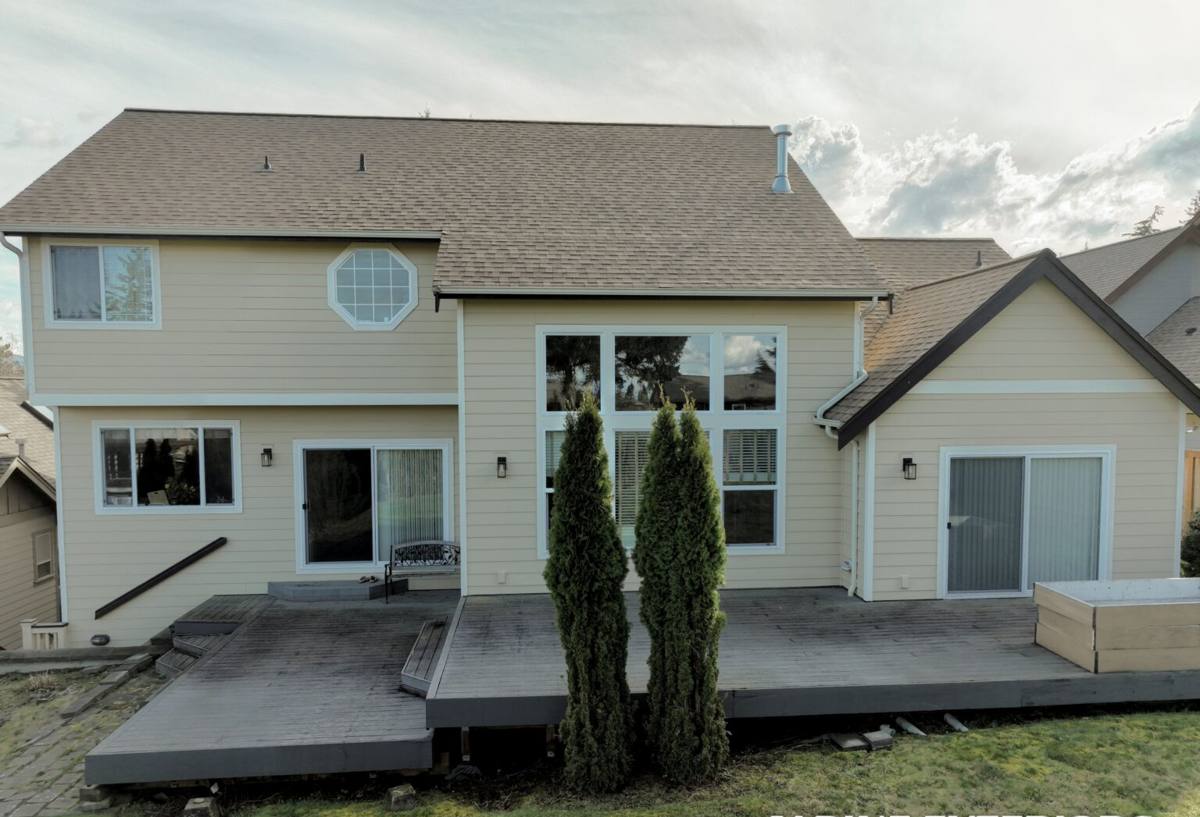
Why Coastal Decks Fail Differently Than Inland Decks
Most homeowners assume a deck fails because the wood rots. On Clearwater Beach, the more common failure starts with metal, not wood. Standard fasteners, brackets, and hardware corrode quickly this close to the Gulf, and once a nail, screw, or joist hanger starts to rust, it loses grip strength long before the surrounding wood shows visible damage. That's how you end up with a board that looks fine but flexes or feels spongy underfoot — the connection holding it down has already weakened.
UV exposure is the second major factor. Florida sun is intense nearly every month of the year, and a deck with no shade gets the full dose. Wood dries out, checks, and cups. Composite and PVC decking resist rot but aren't immune to UV — some products fade or become brittle over time, and dark-colored boards run noticeably hotter underfoot in direct sun.
Finally, there's wind. A properly built deck should hold up in a routine storm, but hurricane-force gusts put real lateral and uplift load on railings, stair stringers, and ledger connections. A deck that was framed correctly and fastened with corrosion-resistant hardware handles that load. One with undersized or rusted connectors is where you see railings come loose or boards lift.
Signs Your Deck Needs Repair, Not Full Replacement
Not every problem deck needs to be torn out. In most cases, targeted repair — replacing specific boards, sistering a weakened joist, re-securing a ledger connection, swapping out corroded hardware — restores the deck without the cost of a full rebuild. Here's what typically points to repair rather than replacement:
- Soft, spongy, or bouncy spots in specific boards while the surrounding framing is still solid
- Visible rust streaks around screw heads or bracket edges
- Cupping, splintering, or graying limited to a handful of sun-exposed boards
- A railing or stair stringer that has come loose but the posts are still structurally sound
- Gaps opening up between boards from seasonal movement, without rot underneath
- Minor storm damage — a few displaced boards or a bent bracket — after wind or flying debris
Full replacement becomes the honest recommendation when the framing itself — the joists, beams, or ledger board — has widespread rot or corrosion damage, when the deck was undersized or under-fastened for its use from the start, or when repair costs start to approach a meaningful share of rebuild cost. We'll tell you which situation you're in and why, rather than defaulting to the bigger job.
What We Check During an Inspection
Before we recommend anything, we walk the whole structure — not just the decking surface. That includes getting underneath where possible to look at joists, the ledger board connection to the house, post bases, and any hardware that's exposed to moisture and salt air. Surface boards can look fine while the framing underneath is the actual problem, and we won't quote a cosmetic fix over a structural one.
What a Correct Deck Repair Involves
A deck repair that actually lasts on Clearwater Beach isn't just pulling a bad board and dropping in a new one. It involves matching the fix to what's actually failing:
Framing and Structural Repairs
If a joist or beam has soft spots or corrosion damage at its connectors, we address the framing first — sistering a new joist alongside a weakened one, replacing a damaged ledger board section, or resetting a post that has shifted. Framing is what carries the load; cosmetic board replacement over compromised framing just hides the problem.
Fastener and Hardware Replacement
Since corroded hardware is often the real culprit out here, a proper repair usually means replacing fasteners and structural connectors with grades rated for coastal or salt-air exposure, not just matching what was there before. Reusing standard hardware in a repair is a common shortcut that leads to the same failure returning within a year or two.
Decking Surface Replacement
Individual boards that are cupped, splintered, or UV-damaged get replaced to match the existing material as closely as possible. Where an entire section is aging out together, it's often more cost-effective to resurface that section than to keep patching board by board.
Railings and Stairs
Railings and stair stringers take direct wind load and get the most day-to-day stress from foot traffic and hand contact. We re-secure or rebuild these to current structural standards, since a loose railing is both a safety issue and one of the first things guests notice.
Decking Material Considerations for This Environment
What a deck is made of changes how it ages on the beach and what repair looks like down the road. We work on all the common materials and repair to match what's already installed, but it's worth understanding the honest trade-offs for this specific climate.
| Material | How It Ages Near the Gulf | Repair Considerations |
|---|---|---|
| Pressure-treated wood | Prone to UV checking, splintering, and cupping; treated lumber resists rot but not sun damage | Individual board replacement is straightforward and cost-effective; framing needs periodic hardware checks |
| Composite decking | Resists rot and splintering well; some products can fade or feel hot in direct sun; performance varies by brand and formulation | Matching color and profile to existing boards matters; damaged boards are usually replaced rather than patched |
| PVC/capped decking | Strong moisture resistance; generally holds color well but installation sensitivity (expansion gaps, fastening) affects long-term performance | Repairs must follow the manufacturer's fastening and gap specs closely or new issues develop |
| Structural framing (any decking type) | Corrosion of fasteners and connectors is usually the first real failure point in salt air | Hardware upgrades during any repair are the highest-value fix for long-term durability |
Whatever the surface material, the framing underneath and the hardware holding it together matter more to long-term durability than the decking brand. That's where we focus attention on every repair.
Our Repair Process
We keep the process straightforward and give you a clear picture before any work starts:
- Inspection. We assess the full structure — decking, framing, hardware, railings, and stairs — and identify exactly what's failing and why.
- Honest scope and estimate. You get a plain explanation of what needs repair versus what's still sound, with pricing based on the actual scope, not a guess.
- Structural work first. Any framing, ledger, or post issues get addressed before cosmetic work, since surface repairs over bad framing don't hold.
- Hardware upgrade where needed. Corroded or undersized fasteners and connectors are replaced with hardware suited to salt-air exposure.
- Surface and railing repair. Damaged boards, railings, and stair components are replaced or resecured to match the rest of the structure.
- Final walkthrough. We check the repaired areas under load and walk you through what was done and what to watch going forward.
Storm Season and Salt Air: Keeping a Repair Ahead of Problems
A deck repair on Clearwater Beach isn't a one-and-done event the way it might be for a deck in a drier, inland part of the country. Salt air keeps working on exposed metal year-round, and each hurricane season adds wind load that tests every connection. The most effective approach is catching small issues — a loosening railing bolt, a board starting to cup, a hint of rust at a bracket — before they become bigger repairs or safety hazards. A deck that gets a quick seasonal check tends to need far less invasive work over its lifetime than one that only gets attention after something fails.
Simple Homeowner Checklist Between Professional Inspections
- Walk the full deck surface and note any soft, bouncy, or spongy spots
- Check railings and stair handrails for looseness by hand
- Look for rust streaks near screws, brackets, or joist hangers where visible
- Check for gaps opening between boards or boards pulling away from framing
- Look underneath (if accessible) after major storms for displaced or cracked framing
- Note any boards that feel unusually hot, brittle, or faded compared to the rest of the deck
Why Hire a Crew That Already Works Clearwater Beach
Deck repair on a barrier island isn't identical to deck repair a few miles inland. The fastener grades that hold up here, the framing details that resist wind uplift, and the realistic lifespan of different decking materials in direct Gulf-facing sun are things a crew learns by working this specific area repeatedly — not from a general repair checklist. Working within Pinellas County also means understanding the permitting and inspection expectations that apply to structural deck work here, so a repair doesn't create a compliance headache down the line.
We treat deck repair the same way we treat roofing: identify what's actually failing, fix the real cause instead of just the visible symptom, and use materials and hardware suited to a saltwater environment rather than generic parts. That approach costs the same or less than patch-and-hope repairs that need to be redone in a year or two.
Get a Free, No-Pressure Estimate
If your deck on Clearwater Beach has soft spots, loose railings, sun-damaged boards, or storm damage, we're happy to take a look and give you a straight assessment of what it needs. Use the form below to request a free estimate — no pressure, no obligation, just an honest read on your deck's condition and what repair would involve.