 Clearwater Roofing
 Del Oro Siding, Built for What Clearwater Actually Throws At It
Del Oro homes sit inside one of the more demanding climates in the country for exterior building materials. Between hurricane-season wind events, relentless UV exposure nearly every month of the year, wind-driven rain that finds every gap in a wall assembly, and the slow corrosive effect of salt-laden air moving in off the Gulf, siding here does a lot more work than siding in most of the country. We install James Hardie fiber cement siding exclusively, and this page covers what that actually means for a Del Oro home specifically — not a generic overview of siding in general.
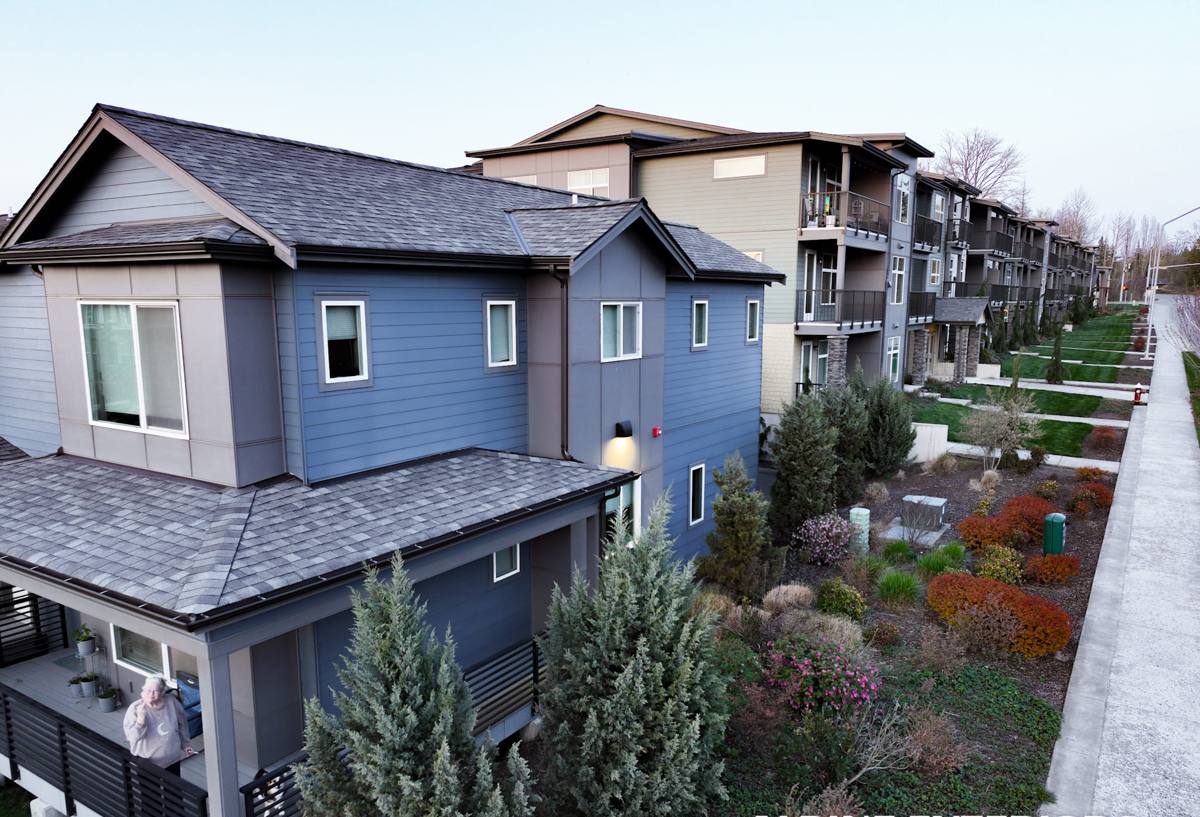
What Del Oro Homes Are Up Against
Every siding claim on this page is grounded in the same regional reality: Pinellas County construction has to survive conditions that would degrade lesser materials within a few years. Here's the breakdown of what's actually working against your walls.
Hurricane-Force Wind
Wind load isn't a once-a-decade concern in Clearwater — it's a design constraint that shows up in the building code every time siding gets replaced. Wind-driven pressure works at fastener points and panel edges, and it's usually the first place a marginal installation fails, long before the material itself gives out. A siding system that isn't fastened, spaced, and flashed to spec will loosen at the corners and butt joints during a strong blow, even if the product itself is rated for the exposure.
Salt Air and Humidity
Proximity to the Gulf means airborne salt is a constant, low-level presence on every exterior surface in the area, not just on homes directly on the water. Combined with Florida's humidity, that salt accelerates corrosion in fasteners, flashing, and any metal trim that isn't rated for coastal exposure. It also means moisture is almost always present in the wall assembly's immediate environment, which makes drainage and drying paths behind the siding non-negotiable.
Intense, Year-Round UV
Florida doesn't get a UV off-season. Paint film, especially field-applied paint on wood-based or composite products, breaks down faster here than in almost any other part of the country. Fading, chalking, and hairline cracking in a paint finish show up years earlier under this sun than they would in a milder climate.
Wind-Driven Rain
Rain in a Clearwater storm rarely falls straight down — it's pushed sideways into walls, window returns, and butt joints under pressure. That means every seam, penetration, and horizontal joint in the siding system has to be detailed to shed water actively, not just sit there and hope gravity does the work.
Why We Standardized on James Hardie for This Area
We made a deliberate decision to install only James Hardie fiber cement siding, and Del Oro's climate is exactly why. Fiber cement is non-combustible, dimensionally stable in heat and humidity swings, and manufactured in HZ (HardieZone) formulations engineered specifically for high-moisture, high-UV climates like ours — as opposed to the standard-zone versions sold in drier, milder parts of the country.
ColorPlus Factory Finish
James Hardie's ColorPlus finish is baked on in a controlled factory process, not brushed or sprayed on-site. That finish holds color and resists fading, chalking, and cracking far longer under intense UV than field-applied paint typically does, and it comes backed by its own finish warranty separate from the substrate warranty. For a Del Oro home facing near-constant sun, that's not a cosmetic upgrade — it's a maintenance-interval difference.
Moisture and Rot Behavior
Because it's cement-based rather than wood-based, Hardie siding doesn't absorb and swell with humidity the way wood or wood-composite products can, and it doesn't support rot. In a climate where the air itself carries moisture almost every day of the year, that's a meaningfully different long-term risk profile than products that depend on paint film alone to keep water out of the substrate.
Non-Combustible Construction
Fiber cement doesn't contribute fuel to a fire the way wood-based sidings can. It's not the main reason most homeowners choose it, but it's a real difference in material composition worth knowing about, especially for insurance conversations.
What a Correct Installation Actually Involves
The product only performs to spec if the installation matches it. Most of the siding failures we get called out to inspect on older homes in this area trace back to installation shortcuts, not the material itself. A correct James Hardie install in a wind-and-salt environment like Del Oro includes:
- Fasteners spaced and placed exactly per the manufacturer's published pattern — not "close enough" — because fastener pull-through is where wind load actually attacks the wall
- Corrosion-resistant fasteners and flashing rated for coastal exposure, not standard-grade hardware that will rust prematurely in salt air
- Proper clearance between the bottom of the siding and roofing, decks, and grade, so water has somewhere to go instead of wicking into the plank
- A weather-resistive barrier installed correctly behind the siding, with all seams and penetrations sealed to manage the moisture that gets past the cladding
- Butt joints and panel seams detailed to shed wind-driven rain rather than just relying on caulk as the only line of defense
- Correct nailing depth — overdriven or underdriven fasteners are one of the most common defects we find on inspection, and both compromise wind performance
None of this is exotic. It's all published in James Hardie's own installation instructions. The issue in this climate is that skipping any one of these steps doesn't show up as a failure on day one — it shows up two or three storm seasons later, which is exactly when it's most expensive to fix.
Our Process on a Del Oro Project
We keep the process straightforward and don't start ordering material until the home has actually been assessed in person.
- On-site assessment — we walk the exterior, check the current siding and substrate condition, and note anything specific to the home's exposure (corner units catch more wind, shaded sides hold more moisture, and so on)
- Substrate check and prep — any water damage, rot, or compromised sheathing found underneath the old siding gets addressed before new siding goes up, not covered over
- Product and color selection — HardiePlank, HardiePanel, or a mix depending on the home's design, with ColorPlus factory-finish colors reviewed against the community's general character
- Installation to manufacturer spec — fastening, flashing, clearances, and joint details as outlined above, with attention to the wind and moisture conditions specific to this part of Pinellas County
- Final walk-through — we go over the finished work with you before calling the job done
Why a Crew That Already Works Del Oro Matters
Siding installation quality depends heavily on local knowledge that doesn't come from a manufacturer's manual alone. A crew that regularly works in this area already knows the county's permitting requirements and wind-zone documentation that a siding replacement here needs to satisfy. They know how Del Oro's exposure compares from one side of a home to another, which affects fastening and detailing decisions. And they've already worked through the practical logistics — material staging, scheduling around Florida's rain patterns, coordinating with any community architectural guidelines — that a crew unfamiliar with the neighborhood has to learn on your job, not before it.
That familiarity doesn't replace following the manufacturer's spec — it just means fewer surprises, fewer delays, and a crew that's already calibrated to the conditions your home is dealing with.
What It Costs
Every home is different, but these are the factors that actually move the number on a James Hardie project in this area:
| Cost Factor | Why It Matters |
|---|---|
| Home size and number of stories | More surface area and more difficult access both add labor time |
| Removal of existing siding | Tear-off and disposal of old material adds a distinct labor and hauling cost |
| Substrate repair needs | Rot or water damage found underneath the old siding has to be repaired before install |
| Product line (HardiePlank vs. HardiePanel vs. trim/accent work) | Different profiles and combinations affect material and labor cost |
| ColorPlus finish selection | Factory-finished color is priced differently than field-painted primed board |
| Architectural detail (corners, soffits, trim complexity) | Homes with more cuts, angles, and trim take longer to detail correctly |
We don't quote a number without seeing the home. Broad ranges you'll hear in the industry mean little until someone has actually looked at your walls, your access, and your substrate condition.
Keeping Your New Siding Performing Long-Term
Once new James Hardie siding is up, upkeep in this climate is lighter than most homeowners expect, but it isn't zero. A few habits go a long way:
- Rinse the exterior periodically to clear accumulated salt residue and airborne grime, especially on sides facing prevailing wind
- Walk the perimeter after major storms and check for loose trim, damaged caulking at joints, or debris impact damage
- Keep an eye on caulked joints around windows, doors, and trim — caulk has a shorter service life than the siding itself and is the first thing that needs periodic attention
- Keep irrigation heads and sprinklers from constantly wetting the same section of wall, which shortens the life of any exterior finish
- Address any impact damage or cracked boards promptly rather than waiting, since exposed edges are where moisture gets a foothold
If you're weighing a siding replacement for a Del Oro home, we're glad to come take a look and give you a straight, no-pressure assessment of what your home actually needs. There's a form below — reach out and we'll set up a free estimate.