 Clearwater Roofing
 Roof Repair in Palm Harbor: Built for What This Climate Does to a Roof
Palm Harbor sits close enough to the Gulf that a roof here takes a different beating than one 30 miles inland. Between salt-laden air off the coast, intense year-round UV, sudden wind-driven downpours, and the occasional direct hit from a tropical system, roofing materials age faster and fail in more specific ways than most homeowners expect. A repair that would hold up fine in a drier, cooler climate can come loose or leak again within a season here if it isn't done with Pinellas County conditions in mind.
We work on roofs throughout the Clearwater area, and Palm Harbor's mix of older established homes and newer construction gives us a good cross-section of what actually goes wrong locally. This page covers what we look for, what a correct repair involves, and how we handle the job from first call to final walkthrough.
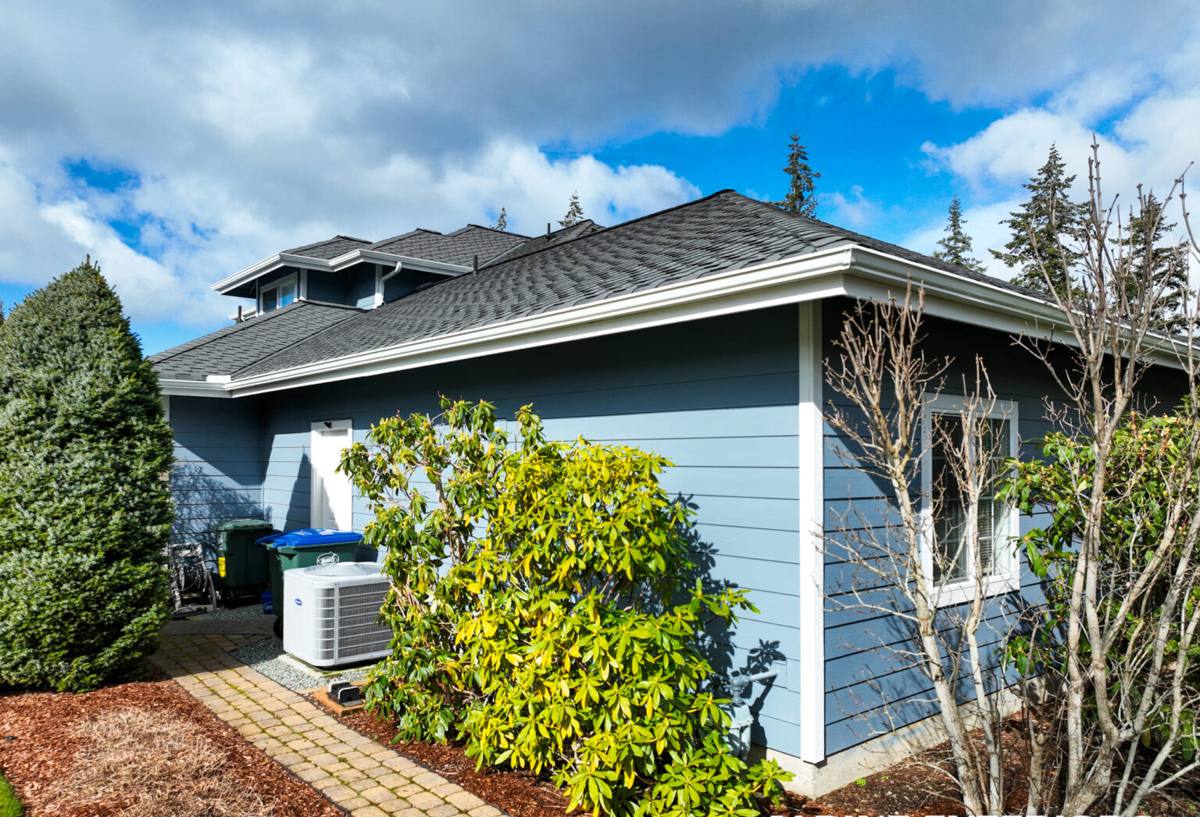
Why Roofs in This Area Wear Differently
Four things drive most of the repair calls we get in this part of Pinellas County:
- Wind: Sustained coastal winds and storm gusts work shingle edges, ridge caps, and flashing loose over time, even without a named storm involved.
- UV exposure: Florida sun breaks down asphalt shingle oils and dries out sealants faster than in most of the country, leading to brittle, cracked material years before it would fail elsewhere.
- Wind-driven rain: Rain that comes in sideways finds gaps that vertical rain never would — around vents, chimneys, skylights, and wall-to-roof transitions.
- Salt air: Metal fasteners, flashing, and vents corrode faster this close to the coast, which is a common hidden cause of leaks that show up as ceiling stains far from the actual entry point.
None of these are dramatic on their own, but stacked together over a few years they're why roofs here need repair work sooner and more often than the manufacturer's marketing brochure suggests.
What This Means for a Repair Job Specifically
It means we don't treat a leak as an isolated spot to patch. Wind and UV damage tend to be spread across a roof even when only one area is actively leaking, so a proper repair includes checking the rest of the roof for early-stage problems that haven't announced themselves yet.
Common Roof Repair Issues We See in Palm Harbor Homes
| Problem | Typical Cause | What It Looks Like |
|---|---|---|
| Lifted or missing shingles | Wind uplift at edges and ridges | Visible gaps, exposed underlayment, granule loss in gutters |
| Flashing leaks | Corroded or improperly sealed flashing around chimneys, walls, skylights | Ceiling stains near roof penetrations, especially after wind-driven rain |
| Cracked or brittle shingles | UV breakdown of asphalt over time | Curling edges, hairline cracks, granules washing off in sheets |
| Soft or discolored decking | Long-term slow leak that went unnoticed | Sagging spots, dark staining visible from the attic |
| Failed sealant at vents/pipes | Sun-dried rubber boots and caulking | Small drips near bathroom or kitchen vent stacks |
What a Correct Roof Repair Actually Involves
A repair that only addresses the spot where water is showing up inside the house often misses the actual point of entry, which can be feet away from the stain. Doing this right means a few things every time:
Finding the Real Source
Water travels along the underlayment and rafters before it shows up on a ceiling, so tracing a leak back to its actual entry point takes a real roof inspection, not just a patch on the visible symptom.
Matching Materials Correctly
Shingles fade with sun exposure, so a patch using the wrong shade or a slightly different product line stands out and can also behave differently in wind. We match existing material as closely as possible and are upfront when an exact match isn't available.
Rebuilding Flashing, Not Just Caulking Over It
Caulk is a short-term fix, not a repair. Where flashing has failed, the correct approach is to remove and re-flash the area properly, not layer sealant over corroded metal.
Checking Ventilation and Decking
A repair that ignores poor attic ventilation or soft decking underneath is only buying time. We check both, because trapped heat and moisture accelerate whatever problem caused the original repair call.
Our Roof Repair Process
1. Inspection and Diagnosis
We get on the roof (and in the attic, where relevant) to trace the actual leak path or damage source, not just look at the ceiling stain or missing shingles from the ground.
2. Honest Estimate
We explain what we found, what needs to happen, and give a clear estimate before any work starts. If a repair isn't the right call — because the roof is old enough that repair costs are approaching replacement territory — we'll tell you that directly.
3. The Repair
We remove and replace damaged material, rebuild flashing where needed, and match shingles or roofing material as closely as available product allows.
4. Cleanup and Walkthrough
Nails, old material, and debris get cleared from the roof and property. We walk the completed repair with you before we consider the job done.
Repair vs. Replacement: How We Help You Decide
Not every roof issue in Palm Harbor needs a full replacement, but not every leak should just be patched either. Here's how we think through it:
| Factor | Leans Toward Repair | Leans Toward Replacement |
|---|---|---|
| Roof age | Well within expected lifespan for the material | Near or past typical service life for its material and exposure |
| Damage extent | Isolated to one area (flashing, one section of shingles) | Spread across multiple sections or slopes |
| Underlying decking | Solid, no soft spots found | Soft, stained, or showing rot in multiple areas |
| Repair history | First or infrequent repair call | Repeated repairs to the same or nearby areas |
| Material availability | Close match to existing shingle/tile still available | Discontinued product, patchwork appearance unavoidable |
We'll always give you our honest read on which side of this table your roof falls on — our reputation in this area depends on that assessment being accurate, not on steering every call toward the bigger job.
Materials We Work With for Repairs
Most Palm Harbor homes we repair are asphalt shingle, with a smaller number of tile and metal roofs. Each has different repair considerations:
- Asphalt shingle: The most common and generally the most straightforward to repair and color-match, provided the product line is still in production.
- Concrete or clay tile: Individual tiles can often be replaced without disturbing the whole field, but matching older tile profiles and colors can be harder, and cracked tiles are more common after wind events.
- Metal: Repairs typically center on fastener backouts, seam sealant failure, and flashing at penetrations rather than the panels themselves, since coastal salt air is harder on fasteners and trim than on the metal panel finish.
Whatever the material, our standard is to repair it in a way that holds up to sun and wind exposure long-term, not just get through the next inspection or sale.
Why Hiring a Crew That Already Works in Palm Harbor Matters
A roofer who works this specific stretch of the Clearwater area regularly already knows which flashing details tend to fail first on local roof styles, what Pinellas County permitting and wind-uplift requirements apply to repair work, and how local insurance adjusters typically document storm damage claims. That familiarity shortens the diagnosis step and reduces the chance of a repair that technically passes but doesn't hold up to the next round of coastal wind and rain.
It also matters for response time. When a storm rolls through and a dozen homeowners in the same area need a tarp or emergency repair at once, a crew already working locally can get to you faster than one dispatching from across the bay.
Simple Maintenance That Extends the Life of a Repair
Once a repair is done, a few habits help it — and the rest of the roof — hold up longer in this climate:
- Clear gutters and downspouts regularly so water isn't backing up under the roof edge
- Trim overhanging branches that drop debris or scrape shingles in wind
- After any major storm, do a visual check from the ground for missing or lifted shingles
- Keep an eye on ceilings and attic spaces for early staining, especially after wind-driven rain
- Have the roof looked at every couple of years even without an active leak, since UV and salt-air wear often show up before a leak does
Get an Honest Look at Your Roof
If you're dealing with a leak, storm damage, or just want a second opinion on a roof issue in Palm Harbor, we're happy to take a look and give you a straight answer on what it needs. Use the form below to request a free, no-pressure estimate.