 Clearwater Roofing
 Downtown Clearwater's Roofs Work Harder Than Most
Downtown Clearwater sits close to the water, which means every roof in the area deals with a rougher combination of stressors than a home twenty miles inland. Salt-laden air off Clearwater Harbor accelerates corrosion on fasteners, flashing, and metal components. Intense, near-constant UV exposure breaks down asphalt shingle granules and dries out underlayment faster than manufacturers' lab tests assume. Add in wind-driven rain during Gulf storms and the occasional direct hit from hurricane-force winds, and you have a climate that punishes shortcuts. A roof replacement done for a home fifty miles inland isn't automatically the right job for a home in Downtown Clearwater — the materials, fastening patterns, and flashing details all need to account for this specific exposure.
Because we work in Pinellas County regularly, we see how this plays out on real roofs: shingles that granule-shatter years ahead of schedule, nail pops from wind uplift cycling, corroded drip edge and pipe boots, and underlayment that's brittle instead of pliable. None of that is unusual here — it's the baseline condition of coastal Florida roofing, and it's exactly what a correct replacement plan has to account for.
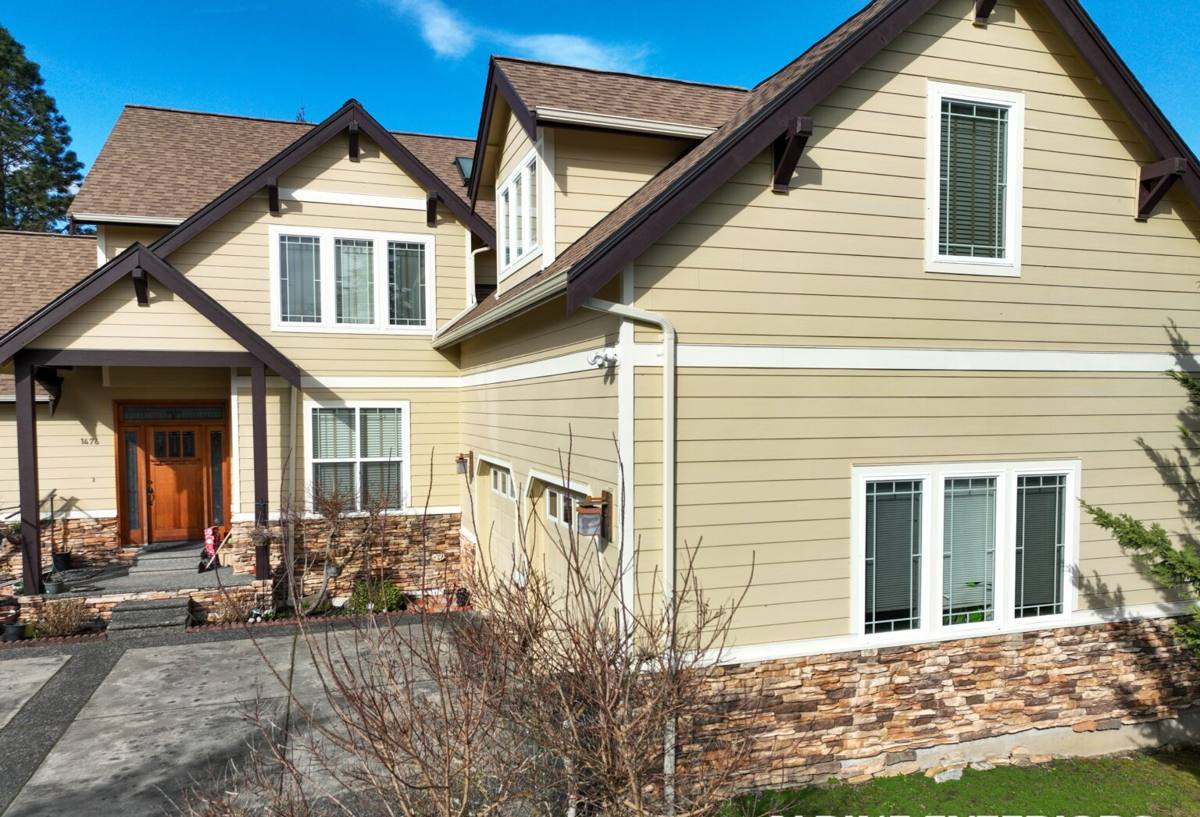
What a Correct Roof Replacement Actually Involves
A roof replacement is more than stripping old shingles and nailing down new ones. Done right, it's a system — deck, underlayment, flashing, ventilation, and covering all working together to shed water and survive wind uplift. Skipping steps in that system is where most premature failures start, and it's usually invisible until the next storm finds the weak point.
Deck Inspection and Repair
Once the old roofing is off, the plywood or OSB deck underneath gets inspected board by board. Soft spots, delamination, or water staining mean that section gets replaced — not covered over. Nailing a new roof over a compromised deck is one of the most common corner-cuts in this trade, and it's the reason some "new" roofs leak within a year.
Underlayment Built for This Climate
Given the wind-driven rain Downtown Clearwater sees during tropical systems, we treat underlayment as a real second line of defense, not a formality. Self-adhered, high-temperature underlayment at eaves, valleys, and penetrations resists wind-driven water intrusion far better than basic felt, and it holds up to the roof deck temperatures Florida sun produces.
Flashing and Penetrations
Chimneys, skylights, pipe boots, and wall-to-roof transitions are where the majority of leaks originate — not the open field of shingles. Salt air accelerates corrosion on cheap flashing metal, so we use corrosion-resistant materials and proper step-and-counter flashing details rather than relying on caulk or sealant as the primary defense.
Ventilation
Florida attics run hot. Balanced intake and exhaust ventilation reduces attic temperature and moisture buildup, which extends shingle life from the underside and helps keep cooling costs in check — a detail that's easy to overlook but shows up in the roof's lifespan either way.
Signs a Downtown Clearwater Roof Needs Replacement, Not Repair
Not every roofing problem calls for a full replacement, and we'll tell you honestly when a repair is the right call. But certain signs point toward replacement being the more sensible long-term investment:
- Shingles that are curling, cupping, or losing granules across large sections of the roof, not just one isolated area
- Multiple layers of past repairs or patches that are starting to fail again
- Visible daylight through the roof deck from inside the attic
- Soft or spongy decking in more than a small, isolated spot
- A roof nearing or past the end of its material's expected service life, especially after several hurricane seasons of wind and UV exposure
- Rising insurance premiums or non-renewal notices tied to roof age or condition
If your roof shows one or two of these signs in a limited area, a targeted repair may still make sense. If several apply across the roof as a whole, replacement is usually the more cost-effective path — patching a roof that's structurally at the end of its life just delays an expense that keeps compounding.
Choosing the Right Material for This Exposure
There's no single "best" roofing material for every home — it depends on your budget, your home's structure, and how much long-term maintenance you're willing to take on. Here's how the common options compare specifically for a coastal Pinellas County property:
| Material | Wind Performance | Salt Air / UV Durability | Typical Lifespan | Maintenance |
|---|---|---|---|---|
| Architectural Asphalt Shingle | Good, with proper nailing pattern and rated products | Moderate — UV and salt exposure shorten lifespan versus inland use | 15-25 years in this climate | Low to moderate |
| Standing Seam Metal | Excellent when properly fastened | Strong with coated, corrosion-resistant panels and fasteners | 30-50 years | Low |
| Concrete or Clay Tile | Very good when installed with correct fastening for wind zone | Excellent — tile itself is largely inert to salt and UV | 40-50+ years | Moderate (underlayment and flashing eventually need attention) |
Cost follows a similar order — asphalt shingle is generally the most affordable upfront, metal and tile cost more to install but spread that cost over a much longer service life. We'll walk through the real trade-offs for your specific home rather than pushing one product across the board; the right choice depends on your roof structure, your budget horizon, and how long you plan to stay in the home.
Our Replacement Process
We keep the process straightforward and communicate at each stage, because a roof replacement disrupts your household and you deserve to know what's happening and when.
1. On-Site Inspection and Honest Assessment
We walk the roof, check the attic, and give you a straight answer on whether replacement is actually needed or whether repair is a viable option first.
2. Written Estimate
You get a clear, itemized estimate — materials, scope of work, and timeline — before any work starts. No verbal-only promises.
3. Permitting
Roof replacements in the City of Clearwater and unincorporated Pinellas County require a building permit and inspection. We handle that paperwork as part of the job.
4. Tear-Off and Deck Inspection
Old roofing comes off down to the deck, which gets inspected and repaired as needed before anything new goes down.
5. Underlayment, Flashing, and Installation
Materials go down in the order and manner the manufacturer and Florida Building Code require, with particular attention to the wind-uplift-rated fastening patterns this region calls for.
6. Final Inspection and Cleanup
The job gets a final walkthrough with you, plus the required municipal inspection, and the property is cleared of debris and nails before we consider the job done.
Permits, Wind Ratings, and Insurance
Florida Building Code sets minimum wind-resistance standards for roofing materials and installation methods, and those requirements are taken seriously in a county that sees regular tropical activity. A permitted, code-compliant replacement isn't just a legal formality — it's what stands between your roof and real damage the next time a named storm tracks through the Gulf.
It also matters for insurance. Many carriers now ask for a wind mitigation inspection and documentation of the roof's age, material, and installation method when writing or renewing a policy. A properly permitted replacement with the right documentation can support better terms; an undocumented or unpermitted job can complicate a claim later, at exactly the moment you need it to go smoothly.
Questions Worth Asking Before You Sign
- Is the contractor licensed and insured in the State of Florida, and can they provide proof?
- Will they pull the required City of Clearwater or Pinellas County permit themselves?
- What underlayment and fastening pattern are they specifying, and why?
- What's covered under workmanship warranty versus manufacturer material warranty?
- Do they have a physical presence and a track record of jobs in this area, not just a lead-generation website?
Why a Local Downtown Clearwater Crew Matters
Downtown Clearwater has a mix of older homes and newer construction, tighter lots, and proximity to the water that inland Pinellas County neighborhoods don't deal with in the same way. A crew that regularly works in this specific area already understands the local permitting process at City Hall, knows what deck conditions tend to show up under older roofing in this part of the county, and can plan around the practical realities of narrow lots and close-set homes without it turning into a logistics problem mid-job.
That familiarity also means faster turnaround. We're not routing a crew across the county for a single job — we're already working in and around Downtown Clearwater, which keeps scheduling tighter and response times shorter if something needs attention after the fact.
After Your Roof Is Replaced
A new roof still benefits from basic upkeep, especially in this climate. A few habits go a long way toward getting the full service life out of the investment:
- Have the roof inspected after major storms, even if there's no visible damage from the ground
- Keep gutters clear so water isn't backing up under the roof edge
- Trim overhanging branches to reduce debris buildup and abrasion
- Watch for granule buildup in gutters, which can signal accelerated shingle wear
- Schedule a professional roof check every year or two, particularly heading into hurricane season
If it's time to talk about replacing your roof, we're glad to take a look and give you a straight, no-pressure assessment. Fill out the form below for a free estimate — no obligation, just an honest read on where your roof actually stands.