 Clearwater Roofing
 Decks in Indian Rocks Beach Face a Different Set of Problems
A deck built two miles inland and a deck built near the Intracoastal in Indian Rocks Beach are not the same project, even if the materials look identical on a supply list. Homes in this part of Pinellas County sit close enough to the Gulf and the Intracoastal Waterway that salt-laden air is a daily factor, not an occasional one. Add in Florida's intense year-round UV exposure, wind-driven rain that gets pushed sideways into structures during storms, and the periodic hurricane-force winds that pass through the region, and you have an environment that ages exterior wood and hardware faster than almost anywhere else in the country.
That combination is why deck repair here is rarely a cosmetic fix. What starts as a squeaky board or a little surface graying is often a sign of moisture and corrosion working on the structure underneath. We repair decks throughout the Clearwater area, and the ones in Indian Rocks Beach consistently show a specific pattern of wear tied directly to the local climate.
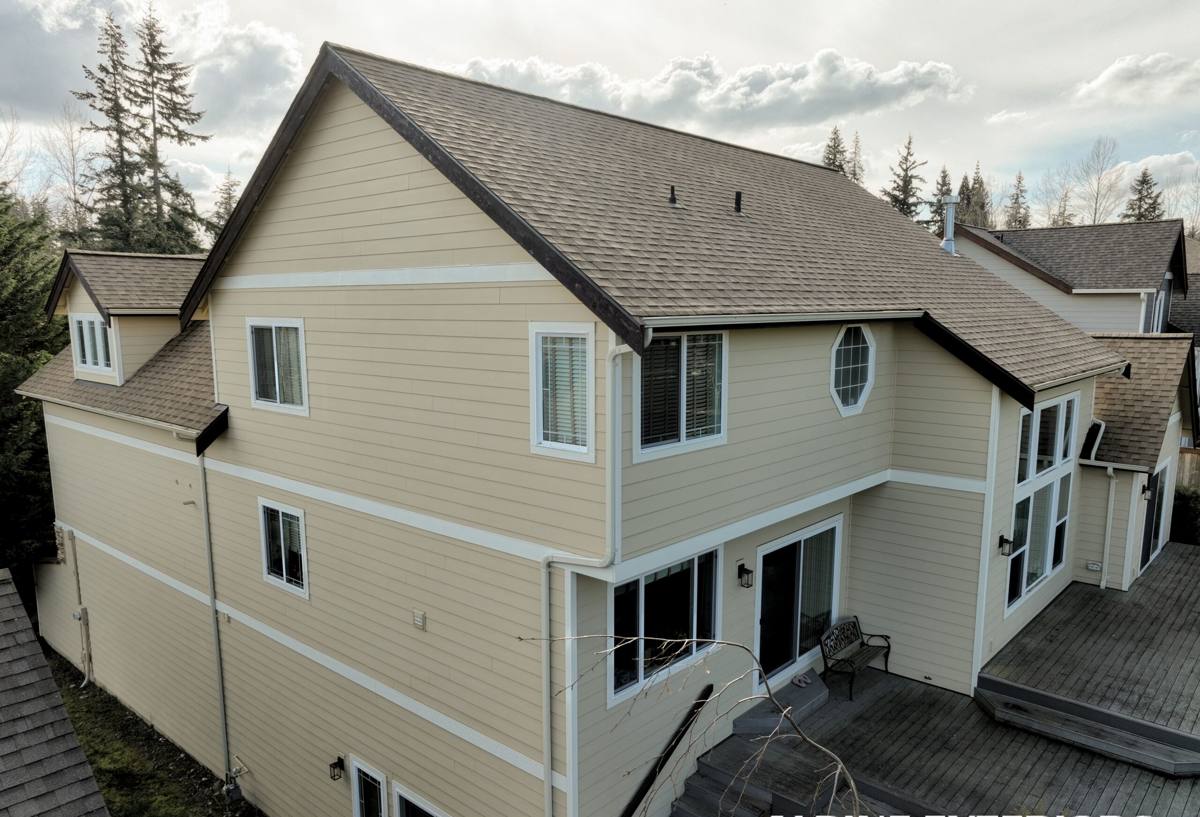
How Salt Air, UV, and Storms Break Down a Deck
Salt Air and Corrosion
Airborne salt doesn't just sit on the surface of a deck — it works into fastener heads, joist hangers, and any exposed metal connector, accelerating rust and corrosion well beyond what you'd see in an inland home. Once a fastener corrodes, it loses holding strength long before it looks visibly bad, which is why boards can feel "loose" even when the wood itself still looks fine.
UV Exposure
Florida sun is relentless on exterior wood and composite surfaces alike. UV breaks down the lignin in wood fibers and can fade or embrittle the surface layer of composite decking over time. Left unsealed or unmaintained, wood decking dries out, cups, and splits; even quality composite products can chalk or fade faster under this level of sun exposure than manufacturer literature assumes for a more moderate climate.
Wind-Driven Rain and Standing Water
Storms here don't just drop rain — they push it horizontally, forcing water into board gaps, ledger connections, and any spot where flashing or sealant has started to fail. Combined with our humidity, wet decking doesn't dry out quickly, which is exactly the condition that promotes rot, mold, and fastener corrosion.
Wind Load
During tropical storms and hurricane-force wind events, a deck's structural connections — ledger boards, post bases, railing posts — take real lateral and uplift load. A deck that's already weakened by corrosion or rot at these connection points is far more likely to fail during a wind event than one that's been properly maintained.
Common Signs of Deck Trouble We See in This Area
- Soft, spongy, or bouncy spots when walking across the deck surface
- Boards that have visibly cupped, split, or pulled away from fasteners
- Rust staining around screws, nails, or metal connectors
- Railings or posts that wobble or feel loose when pushed
- Gaps or separation where the deck ledger meets the house
- Discoloration, dark streaking, or a musty smell suggesting hidden moisture or rot
- Stairs that feel less solid than they used to, especially near the base
Any one of these on its own might be minor. Several together, especially near the ledger board or support posts, usually means the repair needs to start below the surface, not just at the decking boards.
What a Correct Deck Repair Actually Involves
A repair that only replaces the boards you can see is a cosmetic fix, not a structural one. A proper deck repair in a coastal environment like Indian Rocks Beach starts with an inspection of what's underneath and around the visible decking:
- Checking the ledger board connection to the house for rot, gaps, or improper flashing
- Inspecting joists and beams for soft spots, rot, or fastener corrosion
- Testing post bases and footings for movement or deterioration
- Evaluating railing posts and connections against current wind and code requirements
- Assessing whether hardware is rated for coastal or salt-air exposure
- Confirming proper drainage and spacing so water doesn't pool or get trapped between boards
Only after that structural picture is clear does it make sense to talk about which boards get replaced, resurfaced, or sealed. Skipping straight to new decking over a compromised frame is how homeowners end up paying for the same repair twice.
Repair or Replace? What Actually Determines the Answer
Homeowners often assume a deck with visible problems needs full replacement, but that's not always true — and sometimes it's the opposite of true, where surface boards look fine but the frame underneath does not. The honest answer depends on a handful of factors we walk through during an inspection.
| Factor | Favors Repair | Favors Replacement |
|---|---|---|
| Structural frame condition | Joists, beams, and posts are sound | Widespread rot or corrosion in the frame |
| Extent of damage | Isolated boards or a single area | Damage spread across most of the deck |
| Age of the deck | Newer deck with a localized issue | Deck near or past its expected service life |
| Fastener and hardware condition | Hardware still corrosion-resistant and secure | Widespread rust, loose or failing connectors |
| Code compliance | Railings and structure already meet current standards | Older deck built before current wind and railing codes |
| Budget goals | Targeted fix extends usable life | Full rebuild offers a longer-term reset |
In many cases the right move is a hybrid: replace the truly compromised sections, reinforce or upgrade hardware to a coastal-rated standard throughout, and leave sound structural members in place. That approach costs less than a full rebuild while still addressing the parts of the deck that actually threaten its safety.
How Our Repair Process Works
1. On-Site Inspection
We walk the entire deck — surface, railings, stairs, and the structure underneath where accessible — and check ledger, joist, post, and footing condition, not just what's visible from the top.
2. A Clear, Honest Scope
We tell you what's actually wrong, what's driving it, and what your realistic options are, including cost trade-offs between a targeted repair and a fuller rebuild. No pressure toward the more expensive option if it isn't necessary.
3. Structural Work First
Any compromised framing, ledger connections, or posts get addressed before cosmetic work begins. This is the step that gets skipped by less careful repairs, and it's the one that determines whether the deck is actually safe.
4. Hardware Upgrades Where It Matters
Where existing fasteners or connectors show corrosion, we replace them with hardware suited to a coastal environment rather than reusing what's failing.
5. Decking, Railing, and Finish Work
Damaged boards are replaced, railings are secured and brought up to standard, and surfaces are finished or sealed appropriately for the material.
6. Final Walkthrough
We check the deck together before we consider the job done, so you know exactly what was repaired and what to watch going forward.
Material and Hardware Considerations for This Climate
There's no single "best" decking material for every home, but there are trade-offs worth understanding before you decide.
Pressure-treated wood is affordable and familiar, but it requires regular sealing and staining to hold up against Gulf Coast sun and humidity. Skip that maintenance for a couple of years and you'll see cupping, splitting, and graying show up faster here than in a milder climate.
Composite decking cuts down on the sealing and staining cycle and resists rot in a way wood can't, but it comes with its own considerations — proper spacing for drainage and heat expansion, and attention to how the specific product handles long-term UV exposure, since not all composite formulations age the same way. Composite also tends to run warmer underfoot in direct summer sun, which is worth factoring in for uncovered decks.
Fasteners and connectors matter as much as the decking material itself. In a salt-air environment, we favor stainless steel or coated fasteners rated for coastal or marine-grade exposure over standard galvanized hardware, which corrodes faster here. This is one of the most common corners cut on lower-cost repairs, and it's usually the first thing to fail.
We'll walk through these trade-offs based on your deck's exposure, budget, and how much ongoing maintenance you want to take on — there's no upsell script, just an honest comparison.
Why Hiring a Crew That Already Works Indian Rocks Beach Matters
Deck repair isn't identical from town to town, even within Pinellas County. A crew that regularly works Indian Rocks Beach and the surrounding Clearwater area already knows how fast salt air corrodes standard hardware here, how local wind exposure affects railing and post requirements, and what permitting and inspection expectations typically apply to deck work in this jurisdiction. That's the difference between a repair that's built for a generic climate and one that's actually built for this one.
It also means faster response. Being local to the Clearwater area means we're not driving in from across the region for an inspection, a follow-up, or a warranty check — we're already working in the neighborhood.
Maintaining Your Deck Between Repairs
- Rinse salt residue and debris off the deck surface periodically, especially after storms
- Reseal or restain wood decking on a regular schedule rather than waiting for visible wear
- Check railings and stair connections for looseness a few times a year
- Keep an eye on fastener heads for early rust staining — it's cheaper to catch early
- Make sure gutters and downspouts near the deck aren't dumping extra water onto or under it
- Clear leaves and debris from between boards so water can drain instead of pooling
- After any major storm, do a quick visual check before heavy use resumes
None of this eliminates the need for repairs eventually — it just stretches the time between them and helps you catch small problems before they become structural ones.
Get an Honest Look at Your Deck
If your Indian Rocks Beach deck has soft spots, loose railings, corroded hardware, or you just haven't had it looked at in a while, it's worth getting an honest, no-pressure assessment before the next storm season tests it for you. We'll tell you straight whether you're looking at a targeted repair or something more involved, and why. Fill out the form below for a free estimate.