 Clearwater Roofing
 Living on the Water Changes What a Roof Has to Survive
Island Estates sits apart from the rest of Clearwater — an island community surrounded by open water and connected to the mainland by causeway, on the route out toward Clearwater Beach. That location is part of what makes the neighborhood desirable, and it's also exactly why roofs here take a harder beating than roofs a few miles inland. Water on every side means near-constant salt-laden air, higher average wind exposure with fewer trees and buildings to break it up, and direct exposure when hurricane-force gusts or a tropical system move through during storm season.
None of that means Island Estates roofs are doomed to fail early. It means repairs done here have to account for conditions that a generic patch job doesn't. A repair that would hold up fine on a shaded inland roof in another part of Pinellas County can fail again within a year or two on the water if the materials, fasteners, and technique don't match the environment.
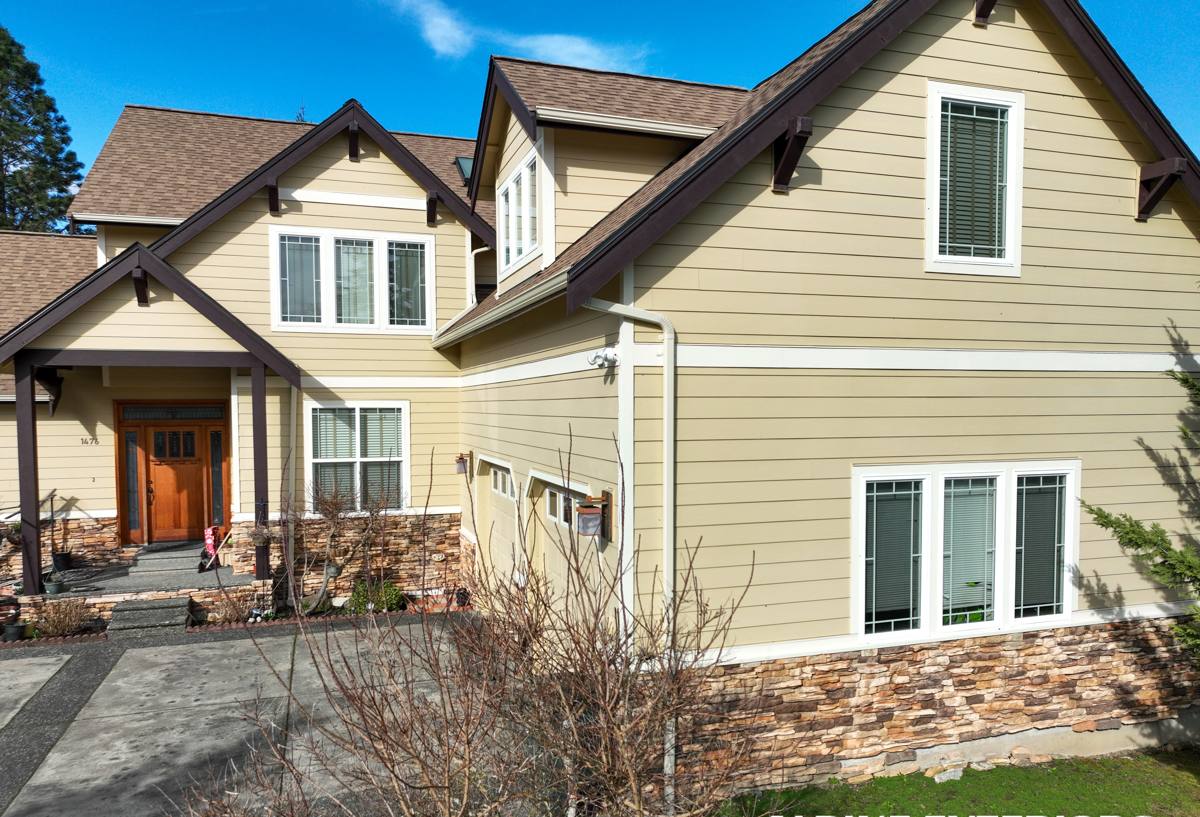
What a Proper Roof Repair Actually Involves
A roof repair should never be treated as "find the leak, seal the leak, done." That approach treats the symptom and leaves the cause in place, which is how homeowners end up calling about the same problem twice. A correct repair on an Island Estates home involves four things every time: finding the actual entry point (which is often several feet from where the stain shows up inside), assessing the condition of the surrounding roofing material and decking, matching materials and fasteners to what's already on the roof and to the exposure it faces, and confirming the repair integrates with the roof's existing drainage and ventilation rather than just covering a hole.
Water travels. A stain on a ceiling in the middle of a room can trace back to a lifted shingle, a cracked pipe boot, or open flashing near a chimney or wall several feet away. Skipping the tracing step and just sealing the visible spot is the single most common reason repairs don't hold.
Signs It's Time to Call, Not Wait
- Granule buildup collecting in gutters or at downspouts after a normal rain, not just after a storm
- Any shingle that looks lifted, curled, or missing after high wind, even if there's no leak yet
- Soft or spongy spots on the roof deck when walked, or sagging visible from the ground
- Rust streaking from metal flashing, vents, or fasteners
- A musty smell in an upstairs room or attic that wasn't there before
- Daylight visible through the roof deck or soffit from inside the attic
The Repair Issues We See Most in Island Estates
The specific problems change with the setting. On a water-exposed, wind-heavy site, the failure points tend to cluster around the same few areas:
- Flashing failure around chimneys, skylights, and roof-to-wall transitions, where wind-driven rain gets pushed sideways and finds any small gap
- Fastener corrosion — nails, screws, and clips that weren't rated for salt exposure losing their grip over time, which shows up as lifted shingles or loose metal panels well before the roofing material itself is worn out
- Wind uplift damage at ridges, hips, and roof edges, which are the first places wind grabs during a gusty afternoon storm or a hurricane
- UV-accelerated wear on the sun-facing slope of the roof, where intense, near year-round sun bakes asphalt shingles and dries out sealant faster than on shaded slopes
- Pipe boot and vent seal cracking, one of the most common leak sources on any roof, but one that fails faster under heavy UV exposure
- Valley wear, where two roof planes meet and funnel a large volume of water during heavy rain
Our Repair Process
Inspection and Diagnosis
We start on the roof, not on a laptop. That means a physical walk of the roof surface, weather permitting, plus a look at the attic from inside, checking for water trails, deck discoloration, and insulation that's been wet and dried repeatedly. We photograph what we find so you can see exactly what's being repaired and why — not just take our word for it. If the damage is storm-related, this documentation also becomes part of what you'd submit with an insurance claim.
The Repair Itself
Once we know the cause, we scope the actual repair: what gets replaced, what gets resealed, what fasteners and flashing get used, and whether any decking needs to be addressed before new roofing goes back down. We don't nail a shingle over a soft deck — replacing compromised decking is part of the job, not an upsell we spring on you later. Materials are matched to what's on the roof already wherever that material is still sound, and upgraded to corrosion-resistant hardware in the areas most exposed to salt air and wind.
Cleanup and Documentation
We clear debris, magnet-sweep for stray fasteners in the yard and driveway, and leave you with a written record of what was found and what was done. That record matters if you ever sell the home or need to reference the repair for a future insurance question.
Materials That Hold Up Against Salt Air
Not every fastener or flashing product performs the same way a quarter-mile from open water. The difference usually isn't visible on day one — it shows up two or three years later as rust streaks, loosened shingles, or a flashing seam that's worked itself open. Here's how the common choices compare in a salt-air setting:
| Component | Standard-grade option | Better fit for waterfront exposure |
|---|---|---|
| Fasteners | Electro-galvanized nails/screws | Hot-dip galvanized or stainless steel |
| Flashing | Painted steel | Aluminum or stainless steel |
| Drip edge | Standard aluminum, light gauge | Heavier-gauge aluminum, properly lapped and sealed |
| Sealants | General-purpose roofing caulk | UV- and salt-rated polyurethane or silicone sealant |
| Pipe boots | Standard rubber | UV-resistant rubber, or lead/aluminum combination boots |
We're not telling you the standard-grade options are junk — they're built to a price point that works fine in a lot of settings. On a roof that faces open water and near-daily salt exposure, though, spending a bit more on hardware you can't even see is one of the best-value decisions in a repair, because it's the difference between a fix that lasts and one you're paying to redo.
Repair or Replace? How to Think About It
Not every damaged roof needs full replacement, and not every leak can be permanently solved with a repair. The honest answer depends on a few factors, and a trustworthy contractor should walk you through them rather than defaulting to the bigger job.
| Factor | Leans toward repair | Leans toward replacement |
|---|---|---|
| Age of roof | Well within its expected service life | Near or past the material's typical lifespan |
| Extent of damage | Isolated to one area or a few components | Widespread across multiple slopes |
| Decking condition | Solid, dry, no rot | Soft, delaminated, or repeatedly wet |
| Repair history | First or second issue in this spot | Same area repaired more than twice already |
| Insurance situation | Damage doesn't meet claim threshold | Storm damage qualifies for a covered claim |
If we inspect your roof and a repair is the honest recommendation, that's what we'll propose. If the roof is telling us it's past the point where patching makes financial sense, we'll explain exactly why, in plain terms, so you can make the call with real information.
Why Hiring a Crew That Already Works Island Estates Matters
Roofing crews that mostly work inland neighborhoods aren't wrong about roofing in general — but they may not default to salt-rated fasteners, may not think about wind exposure on an unshaded waterfront roof the same way, and may not be familiar with the access realities of a canal-front or narrow-lot property. A crew that regularly works Island Estates and the surrounding Clearwater waterfront knows to spec hardware for the environment without being asked, plans around tighter lot access and parking, and has a realistic sense of how quickly weather off the Gulf can change a work day.
That local familiarity also shows up in smaller, practical ways: knowing which roof styles and slopes are common in the neighborhood, understanding typical HOA or deed-restriction expectations around exterior work where they apply, and giving you a repair timeline that accounts for how fast Pinellas County weather can turn on a given afternoon.
Insurance, Permits, and Timelines
Storm Damage and Insurance Claims
If the damage came from a named storm or a documented high-wind event, it may be covered under your homeowner's policy. We can document the damage with photos and a written assessment that you can submit with a claim, but the claim itself and coverage decisions are between you and your insurer — we won't promise an outcome we don't control. What we can promise is an honest, accurate account of what we find, not an inflated scope written to maximize a payout.
Permitting on the Island
Roof repair work in Clearwater and Pinellas County is subject to local building code, and depending on the scope of the repair, a permit may be required — more likely for larger repairs involving decking replacement than for a small flashing or shingle fix. We handle the permit process when one applies rather than leaving you to sort it out, and we won't suggest skipping a required permit to save time.
Questions to Ask Before You Hire a Roof Repair Contractor
- Are you licensed and insured in Florida, and can you provide proof?
- Will you show me the actual damage, in person or in photos, before you start work?
- What fasteners and flashing materials will you use, and are they rated for salt-air exposure?
- Will the repair be covered by a written warranty, and what does it actually cover?
- Do you pull permits when the work requires one?
- Can you give me a written scope of work before the job starts, not just a verbal estimate?
- Do you have experience working on roofs in this specific area, not just Pinellas County broadly?
Be cautious of anyone who shows up unsolicited after a storm, pressures you to sign the same day, or wants full payment up front before any work has started. A legitimate local contractor is comfortable answering every question on that list without hesitation.
If you're dealing with a leak, storm damage, or a roof issue you'd like a second opinion on, we're glad to take a look. Reach out for a free, no-pressure estimate using the form below, and we'll give you a straight answer about what your roof actually needs.