 Clearwater Roofing
 Why Sunset Point Homes Take a Beating
Sunset Point sits inside one of the more demanding climate zones in Pinellas County for exterior building materials. Homes here deal with the same combination that wears down siding across greater Clearwater: hurricane-force wind events, sun exposure that runs close to year-round, wind-driven rain that gets pushed sideways into wall assemblies, and salt-laden air drifting in off the water. Any one of those factors is manageable on its own. Together, over years, they expose every weak point in a siding system — the seams, the fastener pattern, the paint film, the substrate itself.
That's why we treat Sunset Point as a siding job that needs to be engineered for the site, not just installed to a generic spec sheet. A product and installation approach that performs fine in a drier, calmer climate can fail early here. We install James Hardie fiber cement exclusively, and on this page we'll walk through what that actually means for a Sunset Point home — the product, the install details, and the process — rather than repeating generic siding marketing.
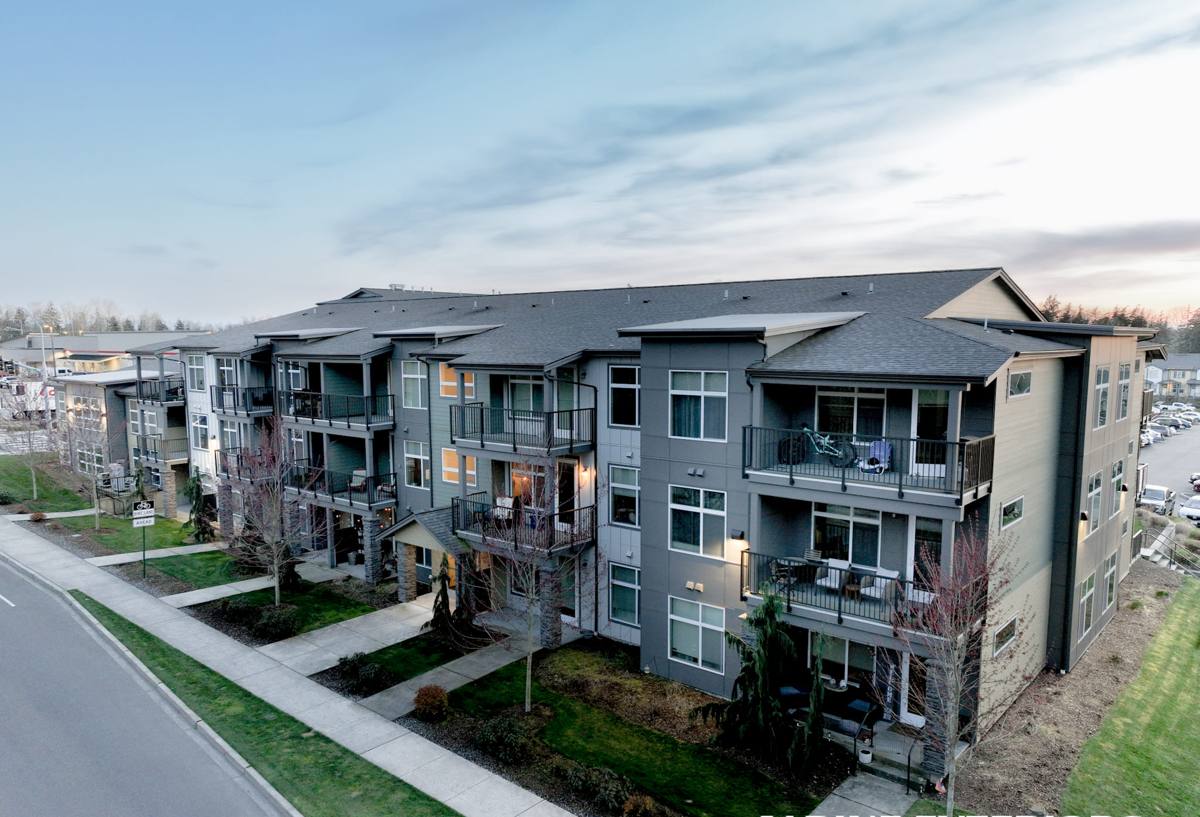
What This Climate Does to Siding Over Time
Wind and Wind-Driven Rain
Clearwater sits in a hurricane-exposed coastal county, and even outside named storms, this area gets frequent high-wind thunderstorm activity. Wind doesn't just strip loose siding off a wall — it drives rain sideways under laps, around trim, and into any gap where flashing or caulking was skipped. Once moisture gets behind the siding, the problem usually isn't visible until the substrate underneath is already compromised.
UV and Heat Cycling
Florida sun is intense and consistent for most of the year. UV breaks down pigments and resins in paint films, and repeated heat-up/cool-down cycling stresses any material that expands and contracts differently than the wall behind it. Siding that isn't dimensionally stable will eventually show it — warping, bowing, or paint that chalks and fades unevenly.
Salt Air
Homes in and around Sunset Point are close enough to Clearwater Harbor and the Gulf that salt air is a real, ongoing exposure factor, not an occasional one. Salt accelerates corrosion of exposed metal fasteners and trim, and it can degrade certain coatings and adhesives faster than inland exposure would. Material choice and fastener choice both matter more here than they would fifty miles inland.
Why We Install James Hardie and Nothing Else
We made a deliberate decision to install only James Hardie fiber cement siding — not vinyl, not LP SmartSide, not Cemplank, not Allura, not primed wood. That's not a brand preference; it's a standard we hold ourselves to because of what this climate does to alternatives.
- Vinyl can soften, warp, or become brittle under sustained heat and UV, and it's not rated for the same wind exposure as fiber cement in most product lines.
- Wood and primed spruce need consistent maintenance to resist moisture and rot in a humid coastal climate — miss a maintenance cycle here and problems move fast.
- Other fiber cement brands exist, but James Hardie's HZ5 product line is specifically engineered for Florida's climate zone, and the ColorPlus factory finish is backed by a real warranty structure we can stand behind.
James Hardie is non-combustible, dimensionally stable, and holds up to wind-driven rain and salt air better than the alternatives we've evaluated. That's the whole reason we standardized on it — we'd rather install one product correctly than offer five and hope one of them holds up.
James Hardie Product Lines for This Neighborhood
Not every Hardie product is the right fit for every home. Sunset Point's mix of home styles and its proximity to the water both factor into which line and profile make sense.
| Product | Typical Use | Why It Fits Here |
|---|---|---|
| HardiePlank Lap Siding | Most common wall siding, multiple textures | Traditional Florida coastal look, engineered for HZ5 wind/moisture zone |
| HardiePanel Vertical Siding | Accent walls, gables, modern facades | Clean lines for contemporary coastal styling, pairs well with lap siding |
| HardieTrim Boards | Corners, window/door trim, fascia | Non-combustible, resists the moisture intrusion that rots wood trim |
| HardieSoffit Panels | Eaves and overhangs | Closes off a common entry point for wind-driven rain and pests |
ColorPlus factory-applied finish is worth calling out specifically for this location. Because the color coat is baked on at the factory under controlled conditions, it holds up to UV and salt air better than field-applied paint, and touch-up product is available to match. For a home this close to the water, that finish durability is one of the bigger practical differences between doing the job right and doing it cheap.
What a Correct Installation Actually Involves
Fiber cement siding is only as good as the installation behind it. A rushed or spec-cutting install can undercut even the best product. On every Sunset Point project, our crews hold to a specific set of details that matter more here than in a milder climate:
- Correct fastener type and spacing — coastal-rated, corrosion-resistant fasteners driven to Hardie's published pattern, not "close enough"
- Proper clearance between siding and grade, roofing, and decking to prevent wicking moisture
- Weather-resistant barrier installed and lapped correctly before a single board goes up
- Flashing at every window, door, and roof-to-wall intersection — the single most common failure point we find on older homes
- Correct joint treatment and caulking with products rated for the exposure, not general-purpose caulk
- Field-cut edges sealed per manufacturer spec, since raw cut edges are more vulnerable to moisture intake
- Proper nailing into structural framing, not just sheathing, for wind resistance
Every one of those steps is inspectable, and we don't consider a job finished until they're all done to spec — not just to what will pass a quick visual check.
Signs a Sunset Point Home Needs Siding Attention
Homes in this area show wear differently depending on age, orientation, and how close they sit to the water. A few patterns we see often enough to flag:
| What You See | Likely Cause | Why It Matters |
|---|---|---|
| Soft or spongy siding near the bottom edge | Moisture wicking from grade or poor clearance | Often means substrate damage has already started |
| Paint chalking, fading, or peeling unevenly | UV breakdown of field-applied coatings | Coating failure exposes the substrate underneath to weather |
| Rust streaking from fastener heads | Non-coastal-rated fasteners corroding | Corroding fasteners loosen siding and stain the finish |
| Visible gaps at trim or corners | Caulking failure or original install shortcuts | Direct path for wind-driven rain into the wall assembly |
| Warping, bowing, or buckled panels | Material not rated for local heat/humidity cycling | Usually means the product itself, not just the finish, is failing |
Our Process for Sunset Point Projects
1. On-Site Assessment
We walk the home in person, evaluate current siding condition, check for underlying moisture or structural issues, and talk through which Hardie products and colors make sense for the home's style and exposure.
2. Detailed, Honest Estimate
You get a written scope covering product lines, trim details, and what the install involves — no vague line items, no pressure to sign same-day.
3. Prep and Protection
Landscaping, walkways, and outdoor living areas get protected before removal starts. Old siding and trim are removed and the substrate is inspected before anything new goes up — if there's hidden damage from a prior install, we address it rather than covering it up.
4. Installation to Spec
Weather barrier, flashing, fasteners, and siding go on in that order, to Hardie's published installation guidelines for this climate zone, with inspections at each stage rather than only at the end.
5. Final Walkthrough
We walk the finished job with you, cover care basics, and go over the warranty coverage before we consider the project complete.
Why Local Experience in This Neighborhood Matters
A crew that regularly works Sunset Point and the surrounding Clearwater neighborhoods already knows the patterns specific to this area — how homes here were originally built, which older installations tend to have flashing or clearance shortcuts, and how much salt and wind exposure a given block typically sees. That's not something a crew coming from outside the area picks up on the first job. It shows up in small decisions: fastener selection, how tight to run clearances, which trim details need extra attention. Those small decisions are the difference between siding that holds up through Pinellas County storm seasons and siding that needs attention again in a few years.
Basic Upkeep Checklist for Hardie Siding in This Climate
- Rinse siding periodically to clear salt residue and airborne debris, especially on water-facing walls
- Inspect caulking at trim and joints annually, ahead of storm season
- Watch for rust streaking at fastener heads and address it early
- Keep gutters and downspouts clear so water isn't sheeting down the wall face
- Trim vegetation back from siding to maintain airflow and reduce trapped moisture
- Have any storm-related impact or gap inspected promptly rather than waiting
Get a Straight Answer for Your Home
If you're weighing a siding replacement for a Sunset Point home, the honest first step is having someone look at what's actually going on with your current siding before recommending anything. We'll walk the property, tell you what we see, and give you a straightforward estimate for James Hardie siding built for this exact climate — no pressure, no upsell to a product we wouldn't put on our own homes. Reach out below for a free estimate.