 Clearwater Roofing
 Siding That Has to Work in Largo, Not Just Look Good on the Truck
Largo sits in the middle of Pinellas County, close enough to both coasts that homes here take on the worst of what Tampa Bay weather delivers from two directions. That means siding on a Largo home isn't just a cosmetic decision — it's a piece of the building envelope that has to survive hurricane-force wind gusts, months of intense subtropical UV, wind-driven rain that gets pushed sideways into wall assemblies, and a steady dose of salt-laden air moving in off the Gulf and the bay. Products that perform fine in a drier, milder climate often don't hold up the same way here.
We install James Hardie fiber cement siding exclusively. Not as a marketing angle — because after years of working on homes in this exact climate, it's the product system we trust to hold paint, resist moisture damage, and stay attached through a bad storm season without turning into a maintenance project for the homeowner.
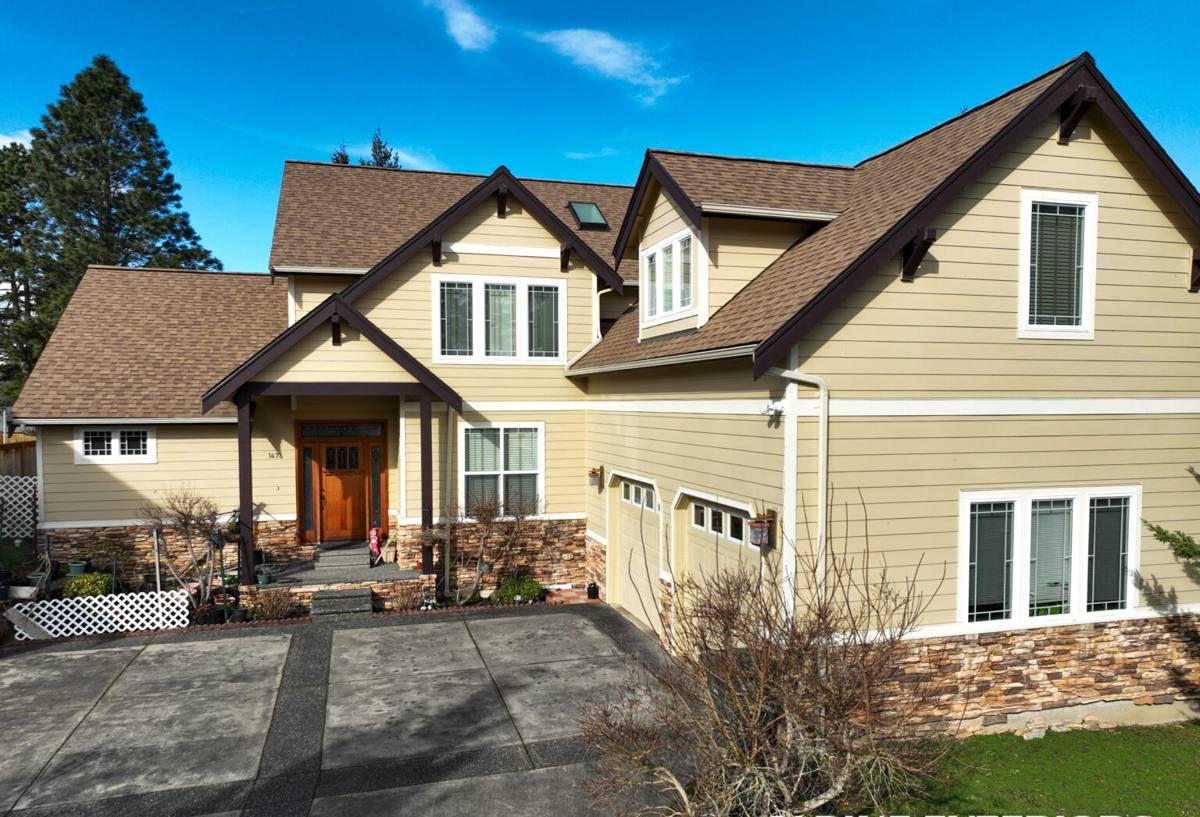
What Largo's Climate Actually Does to Siding
Wind and Storm Load
Largo homes are rated for high wind zones, and siding is part of that wind envelope whether people think of it that way or not. Fastener pattern, panel overlap, and starter strip detail all matter more here than in a low-wind-zone install. A siding job that's fine in a mild climate can fail at the fastener line here if it wasn't installed to the wind-load specs this area requires.
UV Exposure
Central Florida gets sun exposure most siding manufacturers don't design around by default. Paint film on ordinary lap siding chalks, fades, and eventually cracks under that kind of sustained UV load, usually well before a homeowner expects to be repainting.
Wind-Driven Rain
It's not just how much rain Largo gets — it's how it arrives. Storms here regularly drive rain sideways into wall surfaces instead of straight down, which stresses the water-management layer behind the siding (house wrap, flashing, joint sealing) far more than a typical vertical rainfall would.
Salt Air
Largo isn't directly oceanfront everywhere, but salt-carrying air moves inland across the county from both the Gulf and Tampa Bay. Over years, that salt exposure accelerates corrosion on fasteners and trim, and it's harder on lower-quality coatings than plain humidity alone.
Why We Standardized on James Hardie for Homes Like These
We've made a deliberate call not to install vinyl siding, LP SmartSide, Cemplank, Allura, or primed spruce and cedar. Each of those products has real strengths, and we're not going to pretend otherwise. But for the specific combination of wind, UV, moisture, and salt that Largo homes deal with year after year, James Hardie's fiber cement formulation and factory-applied ColorPlus finish have consistently outperformed the alternatives in our experience:
- Fiber cement is non-combustible, which matters for wildfire-adjacent brush areas and simply for long-term peace of mind.
- ColorPlus factory finish is baked on under controlled conditions, which holds color and resists fading far longer than field-applied paint on wood-based or engineered-wood products.
- Hardie's HZ5 product line is engineered specifically for climates like ours — hot, humid, and storm-exposed — rather than a one-size-fits-all national product.
- It doesn't swell, rot, or delaminate the way engineered wood products can when moisture gets behind the panel.
- The transferable warranty structure protects the next owner too, which matters in a market where homes change hands.
We'd rather install one product system correctly and stand behind it than offer five options and hope each one holds up. In this climate, that decision has held up.
James Hardie Product Lines That Fit Largo Homes
Hardie makes several product lines, and picking the right one for a Largo home depends on the style of the house and where it sits relative to open water and prevailing wind.
| Product | Best Use on Largo Homes | What It Does Well Here |
|---|---|---|
| HardiePlank lap siding | Most single-family homes, standard elevations | Traditional lap look, holds ColorPlus finish, wide color range |
| HardiePanel vertical siding | Accent walls, gables, modern/coastal styling | Clean vertical lines, pairs well with board-and-batten trim |
| HardieTrim boards | Corners, window and door trim, fascia | Won't rot like wood trim in wind-driven rain zones |
| HardieSoffit panels | Eaves and overhangs | Resists moisture and pest damage in humid, shaded areas |
For most Largo projects we specify the HZ5 formulation, which is engineered for high-humidity, storm-prone climates rather than the standard HZ10 line used in drier, colder regions of the country.
What a Correct Installation Actually Involves
The siding itself is only part of the equation — how it goes on the wall is what determines whether it performs for 30-plus years or becomes a problem in five. On every Largo job, that means following Hardie's published installation specs to the letter, not the way it's fastest to hang panels:
- Correct water-resistive barrier installed and lapped properly before any siding goes up
- Flashing detailed at every window, door, and roof-to-wall transition to shed wind-driven rain
- Proper fastener type, spacing, and embedment for our wind zone — not a generic pattern
- Minimum clearance maintained between siding and grade, decks, and roof lines to prevent moisture wicking
- Joints and butt seams sealed or flashed per Hardie spec, not just caulked and left
- Correct nailing at panel ends to prevent buckling under thermal movement and wind load
Skipping any one of these doesn't usually show up on day one. It shows up two or three years later as a soft spot behind a window, a panel that's pulled loose in a storm, or paint failing early because moisture got trapped behind the panel. Correct installation is what actually delivers the performance the product is rated for.
Our Process on a Largo Project
1. On-Site Assessment
We walk the home, check the current siding and substrate condition, identify problem areas (window flashing, roof-wall intersections, low-clearance spots), and measure for material.
2. Product and Color Selection
We go over the relevant Hardie product lines and ColorPlus color options, factoring in HOA guidelines where applicable and how the home sits relative to sun exposure and wind direction.
3. Written Estimate
A clear, itemized estimate — no vague allowances, no surprise change orders for things we should have caught during assessment.
4. Tear-Off and Substrate Check
Old siding comes off, and we inspect the sheathing and framing underneath before anything new goes up. Any rot or moisture damage gets addressed before the new water-resistive barrier is installed — covering a problem is worse than finding it.
5. Installation to Spec
Barrier, flashing, panels, trim, and fastening all done to Hardie's spec for our wind zone and climate designation, not a shortcut version.
6. Final Walkthrough
We walk the finished job with the homeowner before calling it done.
Cost Factors on a Largo Siding Project
Every home is different, but a few factors consistently move the price on Largo jobs more than homeowners expect:
| Factor | Why It Matters Here |
|---|---|
| Substrate condition | Homes with prior moisture intrusion often need sheathing repair before new siding goes on |
| Home height and roofline complexity | Multi-story homes and cut-up rooflines increase flashing detail and labor time |
| Trim and detail work | Corner boards, window trim, and soffit work add material and labor beyond the flat wall area |
| Product line selected | HardiePanel vertical accents and specialty textures cost more than standard lap |
| Access and site conditions | Tight lots, fencing, or landscaping close to the house can slow staging and install |
We give a real, itemized number after seeing the house — not a rough figure over the phone that turns into a surprise later.
Signs a Largo Home Needs New Siding Sooner Than Later
A few warning signs we see often on older homes in this area:
- Paint that's chalking, peeling, or fading unevenly, especially on the sun-exposed side
- Soft or spongy spots when you press on the siding near the bottom edge or around windows
- Visible warping, buckling, or gaps at panel seams
- Nail heads that have backed out or streaked with rust
- Interior signs like peeling paint or musty smell on an exterior wall — often a sign moisture is already behind the siding
Why It Matters That We Already Work in Largo
A crew that regularly works Pinellas County homes already knows the wind-load requirements, the permitting expectations, and the specific ways this climate stresses a wall assembly — flashing details that matter more here than they would in a drier region, clearance issues that come up on older Largo lots, and the moisture patterns typical of homes built decades apart. That local familiarity shows up in the details that keep siding performing years down the road, not just on move-in day.
If you're weighing a siding replacement or repair on a Largo home, we're happy to walk the property, give you an honest read on what it needs, and put together a free, no-pressure estimate — no obligation, just a straight answer on what correct James Hardie installation looks like for your house.