 Clearwater Roofing
 Metal Roofing Built for Downtown Clearwater's Climate
Downtown Clearwater sits close enough to the water that every roof on every street feels the effects of it — salt in the air, sun that doesn't let up for most of the year, and wind events that test every fastener, seam, and flashing detail a roof has. Add in the mix of older bungalows and updated homes that make up much of the neighborhood, and you've got a housing stock where roofing decisions matter more than they would somewhere inland. Metal roofing has become one of the more popular upgrades here for a simple reason: done correctly, it holds up to exactly the conditions this part of Pinellas County throws at it.
This page is specifically about metal roofing for homes in and around Downtown Clearwater — not a general overview of metal roofing everywhere. The climate factors, code requirements, and installation details below are the ones that actually matter for a roof going on a home in this zip code.
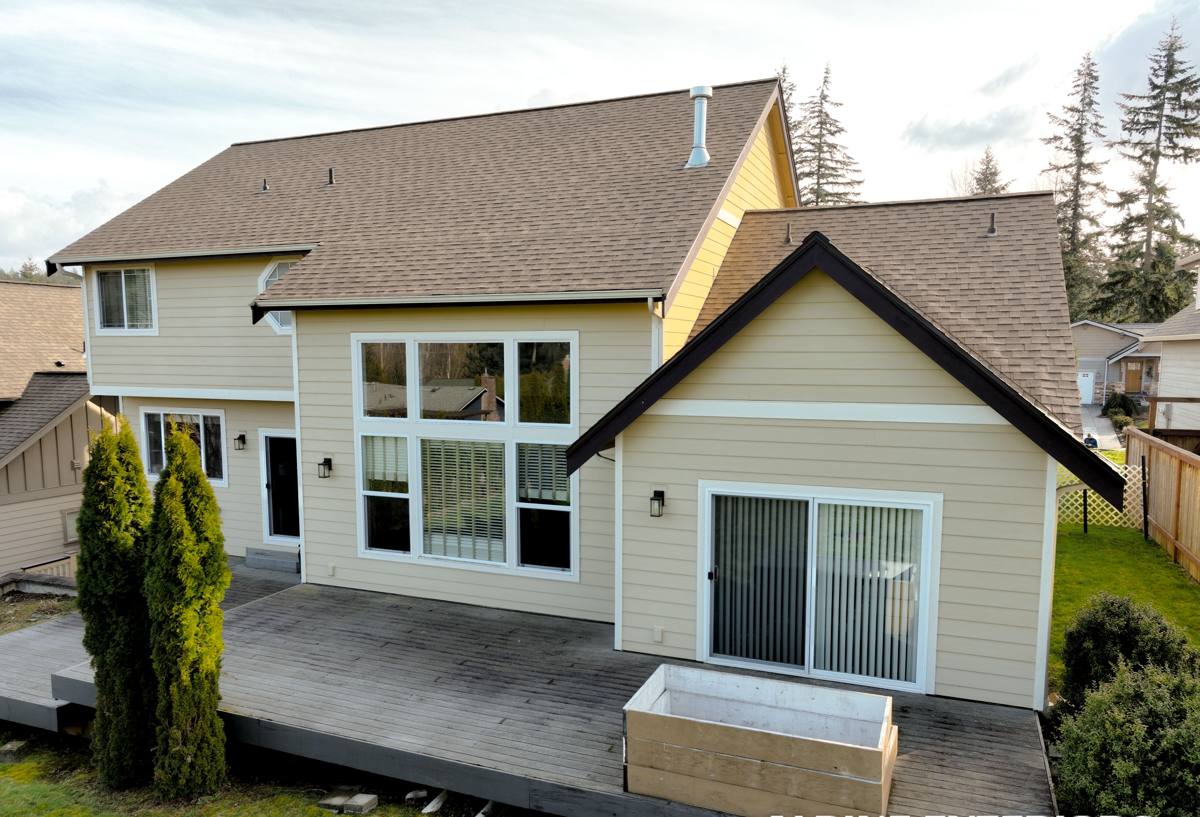
What This Climate Demands From a Roof
Four things drive nearly every decision on a metal roofing job in this area:
Hurricane-Force Wind
Clearwater sits in a coastal wind zone under the Florida Building Code, which means roofing materials, fasteners, and underlayment all have to meet specific wind-uplift ratings — not just be "good enough." A metal roof that isn't fastened to the manufacturer's engineered spec, or that uses the wrong panel profile for the exposure, is a liability in a storm, not an asset.
Intense, Year-Round UV
Florida sun breaks down roofing materials faster than almost anywhere else in the country. Asphalt shingles chalk, crack, and lose granules under this kind of exposure. Quality metal roofing with the right factory finish resists UV degradation far better and holds its color and integrity much longer.
Wind-Driven Rain
It's not just how much rain falls — it's the angle it comes in at during a squall or tropical system. Wind-driven rain gets pushed sideways and upward under flashing, ridge caps, and panel laps that weren't detailed correctly. Most "mystery leaks" on metal roofs trace back to a flashing or underlayment shortcut, not a failure of the metal itself.
Salt Air Corrosion
Being close to the water means airborne salt settles on every exterior surface, including the roof. Over time, salt exposure accelerates corrosion on the wrong metals and the wrong fasteners. This is one of the biggest differentiators between a roof that lasts decades and one that shows rust streaks and fastener failure within a few years.
Choosing the Right Metal Roofing System
Not all metal roofing is the same, and the right choice depends on the home's style, roof pitch, and how close it sits to the water. Here's how the common options compare for a coastal Pinellas County property:
| System | Best For | Coastal Durability | Appearance |
|---|---|---|---|
| Standing seam (concealed fastener) | Most Downtown Clearwater homes, especially closer to the water | Highest — no exposed fasteners to corrode or back out | Clean, modern lines; works on traditional and updated homes alike |
| Metal shingle / stone-coated panels | Homes wanting a traditional shingle or tile look | Good, with quality fasteners and coating | Mimics shingle, shake, or tile profiles |
| Exposed-fastener corrugated/ribbed panels | Lower-budget projects, outbuildings, some porch or shed roofs | Lower — exposed fasteners are the first point of failure near salt air | Utilitarian, visible fastener rows |
For most primary residences in this area, we steer homeowners toward standing seam. It isn't just an aesthetic preference — concealed fasteners genuinely last longer in this environment because there's no exposed screw head for salt air and thermal cycling to work loose over the years. Exposed-fastener panels have their place on budget projects or secondary structures, but we're honest with homeowners about the added maintenance that comes with that trade-off: those fasteners typically need inspection and occasional replacement well before a standing seam roof needs any attention at all.
Material Matters as Much as Panel Style
Substrate and coating decide how a metal roof ages near salt air far more than the panel shape does.
- Galvalume steel — a strong, cost-effective substrate with a good corrosion-resistant coating; performs well with proper detailing and distance from direct salt spray.
- Aluminum — naturally corrosion-resistant and often preferred for homes closer to the immediate coastline, since it doesn't rust the way steel can if a coating is ever compromised.
- Fasteners — should be corrosion-resistant, compatible with the panel metal to avoid galvanic reaction, and rated to the wind-uplift requirement for the job. This is a detail that's easy to cut corners on and hard for a homeowner to check after the fact.
- Finish/coating — a quality baked-on finish (not a cheap paint job) is what actually resists the UV and salt exposure over time, not just the base metal underneath it.
What a Correct Installation Actually Involves
A metal roof is only as good as what's underneath it and how it's fastened down. The visible panels get all the attention, but the details that determine whether the roof survives the next major wind event happen before a single panel goes on.
Deck Inspection and Prep
We check the existing roof deck for soft spots, rot, or prior water damage before anything goes down. Metal roofing over a compromised deck is a problem waiting to surface — fasteners need solid wood to bite into and hold under wind load.
Underlayment
A high-temperature, self-adhering underlayment is standard for metal roofing in this climate. It's the roof's backup line of defense against wind-driven rain that finds its way past a seam or fastener, and it matters even more under a metal panel that runs hotter in direct Florida sun than the underlayment used beneath shingles.
Fastening to Wind-Uplift Spec
Fastener pattern and spacing aren't a judgment call — they're engineered to the panel manufacturer's tested wind-uplift rating and the Florida Building Code requirement for the property's location and roof geometry. Skipping fasteners or spacing them wider than spec is one of the most common ways a metal roof fails in a storm.
Flashing and Penetrations
Valleys, chimneys, vents, and wall transitions are where most roof leaks start, metal or otherwise. Correctly formed and layered flashing — installed in the right sequence with the underlayment and panels — is what keeps wind-driven rain from working its way in at these transition points.
Ventilation
Proper attic ventilation keeps heat and moisture from building up under the roof deck, which protects both the roof structure and the home's energy efficiency. This gets designed into the job, not bolted on as an afterthought.
Our Process, Start to Finish
- Inspection and honest assessment — we look at your current roof, deck condition, and any problem areas before recommending anything.
- System and material selection — we walk through panel and substrate options based on your home, budget, and how exposed the property is to salt air.
- Permitting — we handle the permit process with the local building department so the job meets current wind and code requirements.
- Tear-off and deck prep — old roofing comes off, the deck gets inspected, and any needed repairs happen before underlayment goes down.
- Underlayment, flashing, and panel installation — installed to manufacturer spec and local wind-uplift requirements.
- Final walkthrough — we go over the finished roof with you and make sure everything is cleaned up and accounted for.
Maintenance Homeowners Should Actually Expect
One of the real advantages of metal roofing is how little maintenance it needs compared to shingles — but "little" isn't "none," especially this close to the water.
- Rinse off salt film and debris periodically, especially after storms — a garden hose is usually enough.
- Keep gutters and valleys clear so water doesn't pool or back up under panel edges.
- Have flashing around chimneys, vents, and walls inspected every year or two, since these are the most common leak points on any roof.
- Check for any loose or lifted fasteners after a major wind event, particularly on exposed-fastener systems.
- Trim back overhanging branches that can scratch coatings or drop debris into valleys.
- Watch for any dissimilar-metal contact (like copper flashing against steel panels), which can cause galvanic corrosion over time.
What It Typically Costs — and What Drives the Price
Metal roofing costs more up front than asphalt shingles, but the honest comparison has to include lifespan and storm performance, not just the install invoice. Every home is different, but these are the main factors that move the price:
| Cost Factor | Why It Matters |
|---|---|
| Panel system (standing seam vs. exposed fastener) | Concealed-fastener systems cost more but need less maintenance and hold up better near salt air |
| Substrate (steel vs. aluminum) | Aluminum typically costs more but resists corrosion better for homes closer to the water |
| Roof complexity | Valleys, dormers, and multiple roof planes add labor and flashing work |
| Deck condition | Rot or damage found during tear-off adds repair costs before installation can proceed |
| Ventilation and underlayment upgrades | Proper ventilation and high-temp underlayment add cost but protect the whole roof system |
We give homeowners a real number for their specific roof, not a ballpark that changes once we're on the property. Broadly, homeowners should expect metal roofing to run well above shingle pricing per square, but with a service life that's typically two to three times longer when installed correctly.
Why It Matters That We Already Work in Downtown Clearwater
A roof isn't just an engineering problem — it's also a permitting and local-knowledge problem. Crews who regularly work in this specific area already know the City of Clearwater's permitting process, understand how the current Florida Building Code wind requirements apply to Pinellas County properties, and have a feel for the older roof decks common in this neighborhood's housing stock. That familiarity shows up in fewer surprises mid-project and a smoother permit and inspection process.
It also means we're not guessing about how a roof needs to perform here. We see firsthand how salt air, sun, and wind affect roofs in this exact area over time — which is a different thing than reading a spec sheet for a product designed to be sold everywhere from Florida to Minnesota.
If you're weighing a metal roof for your Downtown Clearwater home, we're glad to walk the roof with you, answer questions honestly, and put together a free, no-pressure estimate based on your specific property — no obligation attached.