 Clearwater Roofing
 Safety Harbor Roofs Take a Different Kind of Beating
Safety Harbor sits close enough to Old Tampa Bay that homes here deal with a specific mix of weather stress that inland Florida roofs don't see as often. Bay-effect wind gusts funnel through the area during storms, humidity stays high nearly year-round, and the salt air drifting off the water works on metal fasteners, flashing, and vent components slowly but steadily. Add in the intense Florida UV load and the wind-driven rain that comes with almost every summer thunderstorm and tropical system, and you've got a roof that's under constant low-grade stress even in years without a named hurricane making landfall nearby.
None of that means Safety Harbor roofs fail faster than the rest of Pinellas County. It means storm damage here tends to show up in particular ways, and a repair that doesn't account for the coastal exposure and wind patterns typical of this part of Clearwater is a repair that's likely to need doing again sooner than it should.
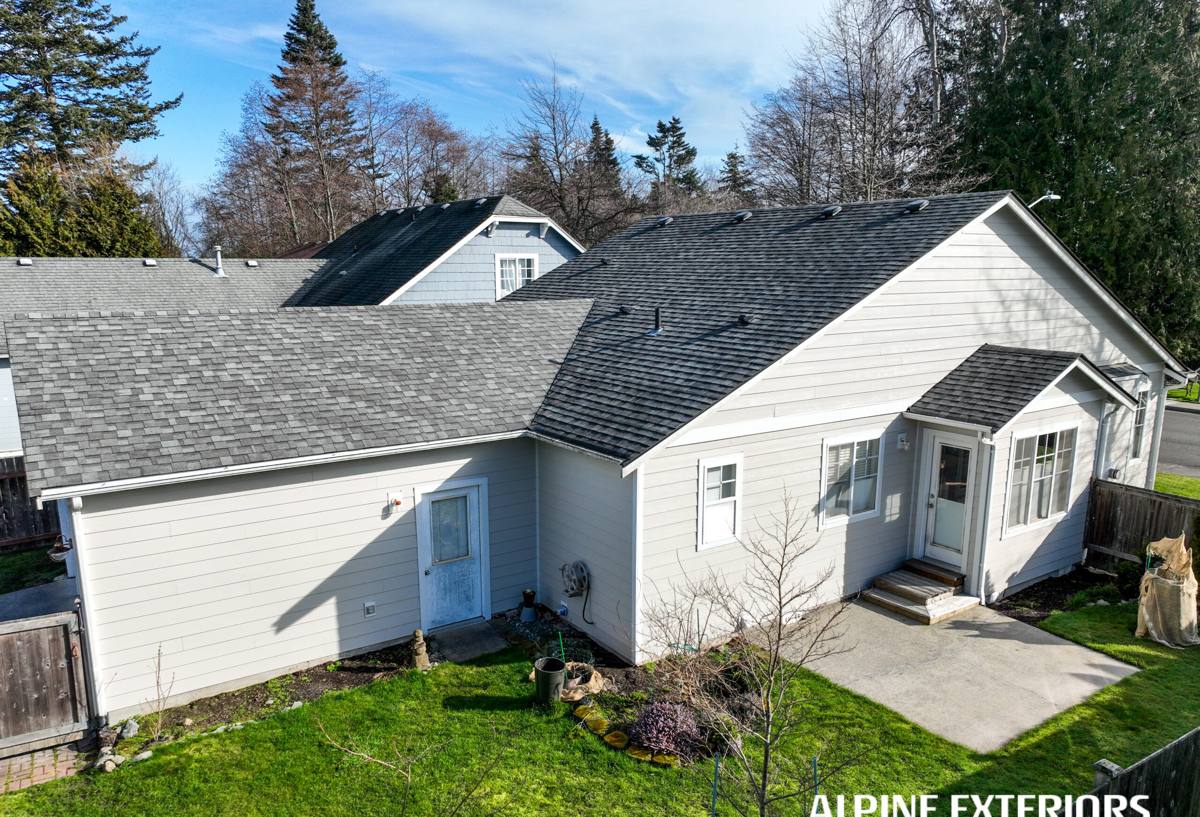
What Counts as Storm Damage (Even When It's Not Obvious)
Most homeowners think of storm damage as missing shingles or a visible hole. That's the easy case. A lot of the damage we get called out for after wind and rain events in this area is much less obvious from the ground:
- Lifted or creased shingles that haven't blown off yet but have broken their seal and will leak the next time wind-driven rain hits from the right angle
- Bent, loosened, or corroded flashing around chimneys, skylights, and roof-to-wall transitions — often the first thing to fail in sustained coastal wind
- Granule loss from hail or heavy rain impact, which thins the shingle's UV and weather protection even when the shingle itself looks intact
- Soft spots in the decking from slow leaks that started weeks or months before a storm and only became obvious once heavier rain pushed water further into the structure
- Displaced or cracked vent boots and pipe collars, a common entry point for wind-driven rain that gets blamed on "a mystery leak" for months
- Fastener backout on metal roofing or trim, where repeated wind uplift slowly works screws loose over multiple storm cycles
This is why we don't do drive-by storm assessments. A roof that looks fine from the driveway after a storm can still have compromised underlayment, cracked seals, or loosened fasteners that turn into a real problem during the next system.
The Risk of Waiting on a Repair
Roof damage in this climate doesn't sit still. A lifted shingle that lets in a small amount of moisture during one storm gives that moisture weeks to work into the decking before the next heavy rain event. Humidity keeps wood from drying out fully between rains, so a leak that would be a quick fix in a drier climate can turn into rot, mold, or sagging decking here if it's left alone through a full summer storm season.
There's also a practical insurance reason to move quickly. Most homeowner policies expect documented, timely repair of storm damage, and gaps between when damage occurred and when it was addressed can complicate a claim — especially if a second storm causes additional damage to an area that was already compromised. Getting a repair done (and documented) promptly protects both your roof and your claim.
Signs You Should Have a Roof Checked After Any Significant Storm
- Granules collecting in gutters or at downspout outlets
- A new stain on an interior ceiling or in the attic after rain
- Shingles that look "wavy" or uneven from the ground
- Debris, tree limbs, or other impact marks on the roof surface
- Any visible daylight through the attic decking
- Musty smell in the attic that wasn't there before
How We Handle a Storm Damage Repair Call
1. Fast, Thorough Inspection
We walk the roof, not just look at it from the ground. That includes checking flashing, vent boots, ridge caps, and — where safely accessible — the attic side of the decking for moisture. We're looking for the damage that caused you to call as well as the damage you didn't know was there.
2. Emergency Mitigation If Needed
If there's active leaking or exposed decking, stopping further water intrusion comes first. Tarping and temporary sealing protect the interior of the home while the full repair is scoped, and it buys time if materials need to be ordered.
3. Documentation
We photograph damage before any repair work begins. This is the documentation an insurance adjuster will want to see, and it protects you if there's ever a question about pre-existing condition versus storm-caused damage.
4. The Actual Repair
Depending on scope, this might mean replacing a section of shingles down to matching the existing roof's color and pattern as closely as possible, resealing and re-flashing a chimney or wall transition, replacing damaged decking before new shingles go down, or resetting fasteners on metal roofing. We match materials to what's already on the roof wherever possible rather than pushing a full replacement when a targeted repair will hold.
5. Final Walkthrough
We go over what was found and what was fixed before we consider the job done — no surprises, no upsell pressure toward a full roof replacement unless the roof's condition actually calls for one.
Repair or Replace? What Actually Drives That Decision
Not every storm-damaged roof needs to come off. The honest answer depends on the roof's age, how widespread the damage is, and what's underneath the surface layer. Here's how we generally think about it:
| Factor | Leans Toward Repair | Leans Toward Replacement |
|---|---|---|
| Roof age | Under 12-15 years, otherwise sound | Near or past expected service life |
| Damage extent | Isolated to one slope or a few areas | Widespread across multiple slopes |
| Decking condition | Dry, solid decking under the damage | Soft, delaminated, or rotted decking |
| Prior repair history | First significant repair needed | Multiple past patches and repairs stacking up |
| Underlayment condition | Intact and still doing its job | Brittle, torn, or failing in multiple spots |
We'll tell you plainly which category your roof falls into and why. If a repair is the honest answer, that's what we'll recommend — a roof that's fixed correctly doesn't need to be replaced just because it's easier to sell.
Working With Your Insurance Company
Storm damage claims move faster and go smoother when there's clear documentation from the start. We provide detailed photos, a written scope of the damage and repair, and are available to walk an adjuster through what we found if that's helpful. We don't handle the claim itself — that's between you and your carrier — but we make sure the paperwork on the roofing side is thorough enough that there aren't unnecessary back-and-forths over what actually happened to the roof.
One thing worth knowing: adjusters see a lot of roofs, but they don't always catch damage that's specific to the way wind moves through a particular neighborhood's tree cover or elevation. A local contractor who's assessed storm damage across this part of Pinellas County repeatedly is often better positioned to point out damage patterns an out-of-area adjuster might miss on a first pass.
Materials That Hold Up to Coastal Conditions
For repairs, we match shingle type, weight, and where possible color/lot to what's already installed, since mismatched patches are both a cosmetic problem and, in some cases, a performance mismatch (different granule wear rates, different flexibility in heat). For flashing and fasteners, we use corrosion-resistant materials suited to salt-air exposure rather than the cheapest available option, because standard-grade fasteners and flashing tend to corrode faster this close to the bay and end up failing again within a few storm seasons.
We're selective about sealants too — a sealant that's rated for constant UV exposure and temperature swings holds up; a bargain sealant chalks, cracks, and opens back up within a year or two in this climate, which just means paying for the same repair twice.
After the Storm: A Practical Checklist
- Do a visual check from the ground for missing or visibly damaged shingles, but don't get on the roof yourself
- Check the attic for new stains, damp insulation, or daylight coming through the decking
- Photograph any visible exterior damage before debris is cleared, if it's safe to do so
- Note the date and approximate time of the storm for your records
- Call for an inspection even if damage isn't obvious — hidden damage is common
- Avoid DIY tarping on a wet or steeply pitched roof; it's not worth the fall risk
- Keep receipts for any temporary protective measures you take, in case of a claim
Why Local Experience in Safety Harbor Matters
A roofing crew that regularly works in and around Safety Harbor and greater Clearwater knows the difference between damage caused by a passing summer storm and damage that's been building for years under coastal humidity and salt exposure. That matters when it's time to give you an honest scope, not just a repair estimate padded with work the roof doesn't need. It also matters for response time — after a significant storm rolls through Pinellas County, being able to get a crew out to assess and mitigate damage quickly, rather than waiting on someone driving in from another market, is the difference between a contained repair and a much bigger one.
We're not going anywhere after the job is done, either. If a repair doesn't hold up the way it should, or a new issue shows up in the same area after a future storm, we're a local call away — not a company that did one job in the neighborhood and moved on.
If your Safety Harbor home has visible or suspected storm damage, we'll come take an honest look and give you a clear, no-pressure estimate — no obligation, just a straight answer on what your roof actually needs. The form below gets that started.