 Clearwater Roofing
 Storm Damage Roof Repair Built for Clearwater Beach
Clearwater Beach sits right where the Gulf meets Pinellas County, and that location gives it a roofing climate that's more aggressive than most inland neighborhoods just a few miles away. Homes and condo buildings out here take on wind loads, wind-driven rain, and salt air exposure that a roof twenty minutes inland simply doesn't see in the same combination. When a storm passes through, the damage isn't always obvious from the ground, and waiting to address it usually costs more than fixing it early.
This page covers what storm damage roof repair actually involves for a Clearwater Beach property, how we evaluate it, and what to expect from a crew that works this specific stretch of coastline on a regular basis.
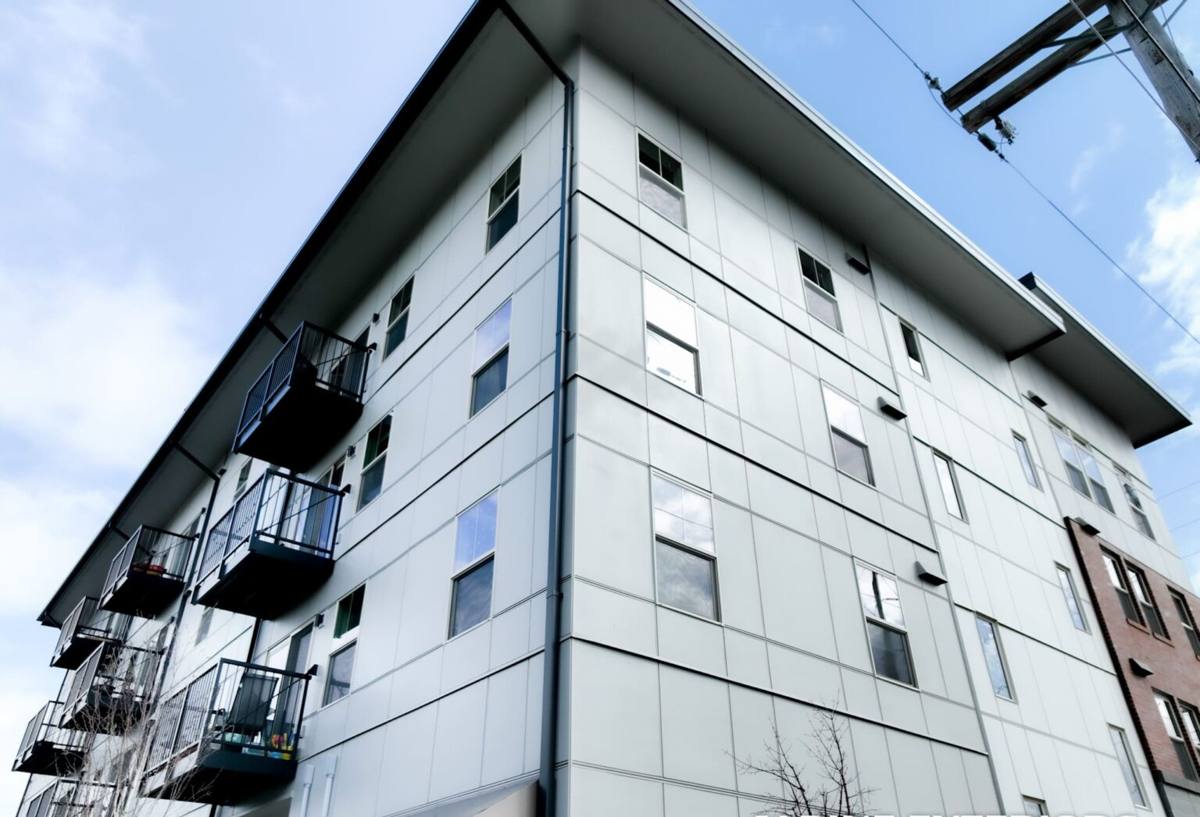
Why Clearwater Beach Roofs Take a Different Kind of Beating
Being on a barrier island changes the math on roof wear. A few factors compound here in ways that matter for repair decisions:
Wind exposure with nothing to break it up
Open Gulf frontage means sustained wind speeds and gusts hit roofs directly, without the tree lines or building density that slow wind down further inland. During named storms and even routine summer squalls, that translates to more uplift pressure at ridges, hips, and edges — the areas most likely to lose shingles, tiles, or flashing first.
Wind-driven rain finds the gaps
It's rarely straight-down rain that causes the worst interior damage. Wind-driven rain gets pushed sideways and even slightly upward under loosened shingle tabs, around vent boots, and along flashing seams that would stay dry in a calmer storm. A roof that "looks fine" from the street can still be letting water into the attic through a dozen small entry points.
Salt air accelerates everything
Airborne salt corrodes exposed metal fasteners, flashing, and vent components faster than in non-coastal areas. A nail or flashing seam that would last many years inland can weaken sooner on the beach, which means storm damage often exploits corrosion that was already quietly in progress.
Year-round UV load
Florida sun bakes roofing materials nearly every month of the year. UV exposure dries out and embrittles shingles and sealants over time, so a roof that's already sun-stressed has less flexibility to absorb wind and impact damage without cracking or tearing.
What Counts as Storm Damage (and What Doesn't)
Not every roof problem after a storm is technically "storm damage," and the distinction matters for repair scope and insurance. Here's how we sort it out on an inspection:
- Wind damage: Missing, lifted, or torn shingles or tiles; bent or displaced ridge caps; flashing pulled loose at valleys, chimneys, or wall intersections.
- Impact damage: Bruising or punctures from wind-blown debris — branches, patio furniture, roof-mounted equipment — that can compromise a shingle's waterproofing even without a visible hole.
- Water intrusion: Staining, sagging, or soft spots on interior ceilings and in the attic that trace back to a specific storm event.
- Pre-existing wear that a storm exposed: Aged, brittle, or already-failing materials that finally gave way under wind load. This is real damage that needs repair, but it's a different conversation with an insurance adjuster than fresh storm damage.
Being clear about which category applies to your roof is part of doing an honest inspection — it protects you from both underclaiming a real problem and overclaiming normal wear as storm damage.
Our Storm Damage Repair Process
The steps are the same whether the damage is minor or extensive — what changes is scope, not process.
1. Inspection and documentation
We walk the roof (or use aerial imaging when access or safety requires it) and document every point of damage with photos and notes: lifted or missing material, flashing condition, fastener corrosion, decking softness, and interior signs of leaking. This documentation matters as much for your records as for ours.
2. Temporary protection
If there's an active leak path or exposed decking, we prioritize a tarp or temporary seal before anything else. Stopping ongoing water intrusion is more urgent than the permanent repair itself, especially with more weather in the forecast.
3. Scope and estimate
We separate the roof into what needs full replacement of the affected section, what can be repaired in place, and what's simply cosmetic and doesn't need work. You get a written scope, not a vague verbal number.
4. Repair
Matching materials, proper fastening patterns for high-wind zones, and flashing details that account for salt air corrosion are all part of doing this correctly the first time. A storm repair that's rushed or under-flashed just becomes next storm's damage.
5. Final walkthrough
We review the completed work with you, confirm the repair matches the agreed scope, and provide documentation you can keep for insurance or resale purposes.
Repair vs. Replace: How We Decide
Storm damage doesn't always mean a full new roof, and it doesn't always mean a quick patch either. The right call depends on a handful of factors we weigh together, not any single one in isolation.
| Factor | Leans toward repair | Leans toward replacement |
|---|---|---|
| Extent of damage | Isolated to one section or slope | Spread across multiple slopes or the full roof |
| Roof age | Well within its expected service life | Already near the end of its expected life |
| Decking condition | Solid, dry decking under the damaged area | Soft, rotted, or repeatedly wet decking |
| Fastener/flashing condition | Localized corrosion or looseness | Widespread corrosion consistent with salt air aging |
| Material availability | Matching material still accessible | Original material discontinued or badly mismatched |
We'll walk you through where your roof falls on each of these before recommending a direction — the goal is the option that actually holds up on this coastline, not the one that's simply cheaper today.
Working With Insurance
Most storm damage claims on Clearwater Beach roofs go through homeowners or condo association insurance, and the process moves more smoothly when the documentation is solid from the start. We provide the photos, measurements, and written scope adjusters typically ask for, and we're available to walk the roof with your adjuster if that's useful. What we won't do is inflate a scope to match a number or claim damage that isn't there — that approach tends to create problems with the claim later, not solve them.
Materials That Hold Up on the Barrier Island
Whatever material your roof uses, the details matter more here than the brand name. A few standards we hold ourselves to on beachside repairs:
- Corrosion-resistant fasteners and flashing appropriate for salt air exposure, not just standard-grade hardware.
- Fastening patterns rated for high-wind zones, applied consistently rather than only at the edges.
- Proper underlayment as a genuine second layer of water protection, not just a formality under the visible roofing material.
- Flashing details at every penetration and transition — vents, chimneys, valleys, and wall intersections — since these are where wind-driven rain gets in.
We're upfront when a particular product or install method isn't a good fit for a barrier island roof, even if it's a reasonable choice elsewhere. That's a judgment call based on maintenance burden and how the material behaves under sustained coastal exposure, not a knock on any manufacturer.
Why a Local Clearwater Beach Crew Matters
A contractor who regularly works this specific area brings a few practical advantages over one dispatching from further inland:
- Familiarity with how wind and salt exposure actually behave on beachside roofs, versus roofs a few miles inland in the rest of Pinellas County.
- Faster response after a storm, when temporary protection against further water intrusion is time-sensitive.
- Experience with the access and logistics specific to barrier island properties, including condo buildings and elevated coastal construction.
- A standing local reputation to protect — which matters when you're deciding who to trust with a repair on your home.
What to Do Right After a Storm
If you suspect storm damage, a few steps in the right order protect both your home and your insurance claim:
- Check your attic and ceilings for staining, dampness, or new light coming through the roof deck.
- From the ground, look for missing or displaced shingles, tiles, or ridge caps — avoid walking a wet or wind-damaged roof yourself.
- Take photos of any visible exterior damage and interior water signs as soon as it's safe to do so.
- Get a tarp or temporary seal placed over any active leak point before the next rain.
- Schedule a professional inspection promptly — some damage worsens quickly with additional exposure, and documentation is strongest when it's fresh.
- Hold off on major repairs until the full scope is documented, unless it's needed to stop active water intrusion.
Get a Free, No-Pressure Estimate
If your Clearwater Beach roof has been through recent weather and you're not sure whether it needs attention, an inspection is the fastest way to know for certain. Use the form below to request a free estimate — no pressure, no obligation, just a straightforward look at where things stand.