 Clearwater Roofing
 Storm Damage Repair Built for Dunedin's Coastal Exposure
Dunedin sits right up against the Gulf, which means its roofs absorb a combination of stresses that inland homes rarely see all at once: sustained hurricane-force wind events, salt-laden air that accelerates corrosion on fasteners and flashing, near-constant UV exposure that bakes shingle mat and adhesive strips, and wind-driven rain that finds its way through the smallest lifted tab or cracked seal. A storm doesn't have to be a named hurricane to cause real damage here — a strong summer thunderstorm with a sudden wind gust can do the same thing on a smaller scale. Storm damage roof repair in Dunedin isn't just patching what's visibly broken; it's understanding how this specific climate attacks a roof system over time and repairing it in a way that holds up to the next event, not just looks fine until then.
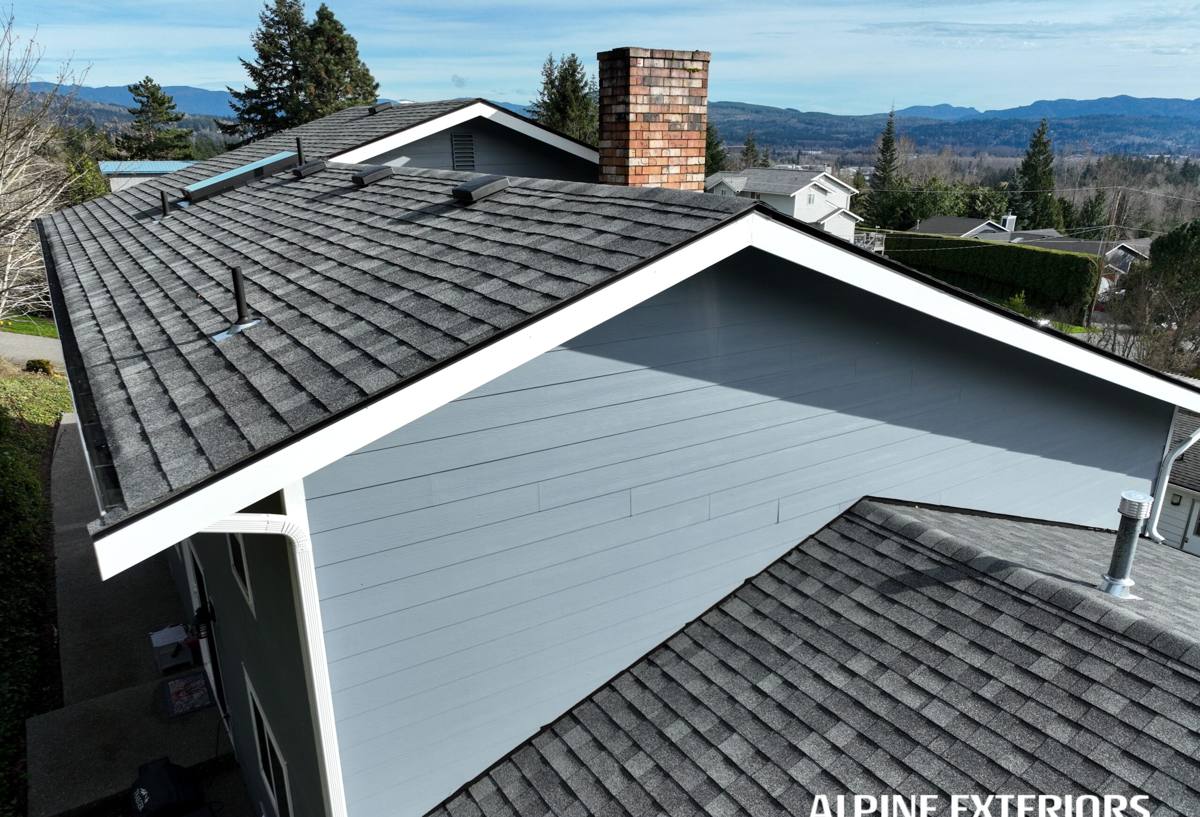
What Actually Counts as Storm Damage
Homeowners often assume storm damage means a hole in the roof or missing shingles you can spot from the driveway. In practice, a lot of storm damage in Pinellas County is less obvious and more common than that:
- Shingles that lifted in wind and resealed slightly out of place, breaking the seal strip without fully detaching
- Granule loss from wind-driven rain and hail-like debris impact, exposing the asphalt mat underneath
- Flashing around chimneys, vents, and roof-to-wall transitions pulled loose or bent
- Fastener backout, where nails work loose from repeated wind flex
- Punctures or bruising from tree limbs, debris, or falling branches during a storm
- Compromised ridge caps, which take the brunt of wind uplift along the roof's high points
None of these always show up as an obvious leak right away. That's exactly why storm damage repair has to start with a real inspection, not a drive-by look from the ground.
Why Fast, Correct Repair Matters More Here Than in Drier Climates
In a low-humidity climate, a small opening in a roof system might sit for weeks before it causes real trouble. That's not the case in Clearwater and Dunedin. Between the humidity, the frequency of rain events, and the heat that follows storms, a compromised roof deck can start showing wood rot, insulation damage, and interior staining within days, not months. Wind-driven rain in particular doesn't need a hole — it can push moisture sideways under a lifted shingle edge or through a gapped flashing joint that would never leak in a straight-down rain. Repairing storm damage quickly, and repairing it correctly the first time, is what keeps a $ few-hundred-dollar repair from turning into a deck replacement or interior remediation job.
Our Storm Damage Repair Process
1. Full Roof Inspection, Not Just the Reported Damage
When we come out after a storm, we inspect the entire roof system, not only the area the homeowner points to. Wind damage is rarely confined to one spot — if one section of shingles lifted, it's worth checking the rest of that same slope and the ridge line for related stress.
2. Documentation
We photograph and document damage clearly, which matters whether you're planning to file an insurance claim or simply want a clear record of what was found and what was repaired.
3. Temporary Mitigation, If Needed
If a roof has active exposure — an open area letting water in — the priority is stopping further water intrusion first with proper tarping or temporary sealing, then scheduling the permanent repair.
4. Matching the Repair to the Damage
Not every storm-damaged roof needs a full replacement, and we don't push one when a legitimate repair will hold. We look at the age and condition of the roof, how localized the damage is, and whether the existing material can be matched and integrated properly.
5. Repair Execution
This means replacing damaged shingles down to sound decking, re-sealing and re-fastening flashing correctly, restoring proper shingle overlap and nailing pattern, and making sure ridge and hip lines are secured to current wind-resistance practice — not just cosmetically patched.
6. Cleanup and Final Check
We clear debris, check gutters and drainage paths for storm debris that can cause backup, and do a final walk to confirm the repair is watertight and structurally sound.
Materials and Wind-Resistance Considerations
Florida Building Code sets wind-resistance requirements that are stricter than what you'll find in most of the country, and Pinellas County enforces them closely given the coastal wind exposure. When we repair storm damage, we're not just replacing what broke — we're making sure the repaired section meets proper nailing patterns, uses compatible underlayment, and ties into the surrounding roof correctly so the repair doesn't become the next weak point in a future storm. Salt air exposure also plays into material choices for flashing and fasteners; corrosion-resistant hardware matters more here than it would inland, since salt-laden air will attack lower-grade metal fasteners and flashing over time, undermining a repair from the inside even when the shingles above look fine.
Repair vs. Replacement: How We Help You Decide
One of the most common questions after a storm is whether a repair is enough or whether it's time to replace the roof. Both can be the right answer depending on the roof's age, extent of damage, and history. Here's how we walk through that decision:
| Factor | Leans Toward Repair | Leans Toward Replacement |
|---|---|---|
| Roof age | Under 10-12 years, still within expected service life | Near or past the material's expected lifespan |
| Damage extent | Localized to one section or slope | Widespread across multiple slopes or the whole roof |
| Prior repair history | Few or no previous storm repairs | Multiple past repairs in different areas |
| Material match availability | Existing shingle line still available or close match exists | Discontinued product, mismatched patches would be visible |
| Underlying deck condition | Solid decking with no rot found during inspection | Soft spots, rot, or moisture damage found |
| General cost range | Typically a few hundred to a couple thousand dollars depending on scope | A larger investment, but often more cost-effective long term than repeated repairs |
We'll give you a straight answer based on what we actually find on your roof, not a default push toward the bigger job.
Working With Insurance on a Storm Claim
If your storm damage is significant enough to involve your homeowner's insurance, documentation is everything. We provide clear photos, a written description of the damage found, and an honest scope of what repair is needed. We're not a public adjuster and can't promise how a claim will be handled, but a well-documented, professionally assessed roof gives you a much stronger starting point when you're talking to your insurer or an adjuster. Keep in mind that most policies have a window for filing storm-related claims, so getting an inspection soon after a wind or hail event — rather than waiting until a leak becomes obvious — protects your ability to file at all.
Why Hiring a Crew That Already Works Dunedin Matters
Storm damage repair isn't a generic service that translates the same way everywhere. A crew that regularly works Dunedin and the broader Clearwater area already understands the local wind exposure categories, has an established relationship with Pinellas County's permitting process for repair work that requires it, and has seen the common roof ages and material types found on homes in this part of the county. That local familiarity shows up in small but important ways: knowing which flashing details tend to fail first on Gulf-facing homes, recognizing shingle lines that are common in the area for a cleaner match, and being able to respond quickly after a regional storm event instead of being backed up behind jobs in an unfamiliar territory.
After the Repair: What Homeowners Should Keep an Eye On
A correct repair should hold, but a little homeowner awareness goes a long way in a climate this demanding. After any storm damage repair, it's worth keeping this simple checklist in mind:
- Check attic spaces after heavy rain for a season to confirm no hidden leak developed
- Keep gutters and downspouts clear so water drains away from repaired areas instead of pooling
- Trim back tree limbs that hang over the roofline before the next storm season
- Have the roof visually checked after any major wind event, even if no damage is obvious from the ground
- Keep your repair documentation and photos on file alongside your insurance policy records
- Schedule a general roof inspection annually, given how much UV and humidity this area puts a roof through year-round
None of this replaces a professional inspection, but it helps catch small issues before they become expensive ones.
Get a Free, No-Pressure Estimate
If your Dunedin home has storm damage — or you're just not sure whether recent wind or rain caused any — we're happy to take a look and give you an honest assessment. There's no obligation and no pressure to act on a bigger job than what your roof actually needs. Fill out the form below and we'll get in touch to schedule a free estimate.