 Clearwater Roofing
 Building Decks That Hold Up in Sunset Point's Coastal Climate
Sunset Point sits inside Clearwater, Pinellas County, which means every outdoor structure here has to earn its keep against the same set of conditions: long stretches of intense UV, salt-laden air rolling in off the Gulf, wind-driven rain during storm season, and the real possibility of hurricane-force winds hitting the area at some point in a deck's lifespan. A deck built to a generic national spec will show its age fast in this environment. A deck built for this specific stretch of the Florida coast holds its finish, its fasteners, and its structure much longer.
We build and repair custom decks throughout Clearwater and the surrounding Pinellas County communities, and Sunset Point comes with its own mix of home styles and lot conditions — some closer to open water, some further inland, many with mature landscaping that shades part of the deck and leaves the rest in full sun most of the day. That mix matters when we're picking materials and planning drainage, and it's part of why a cookie-cutter deck plan often underperforms here.
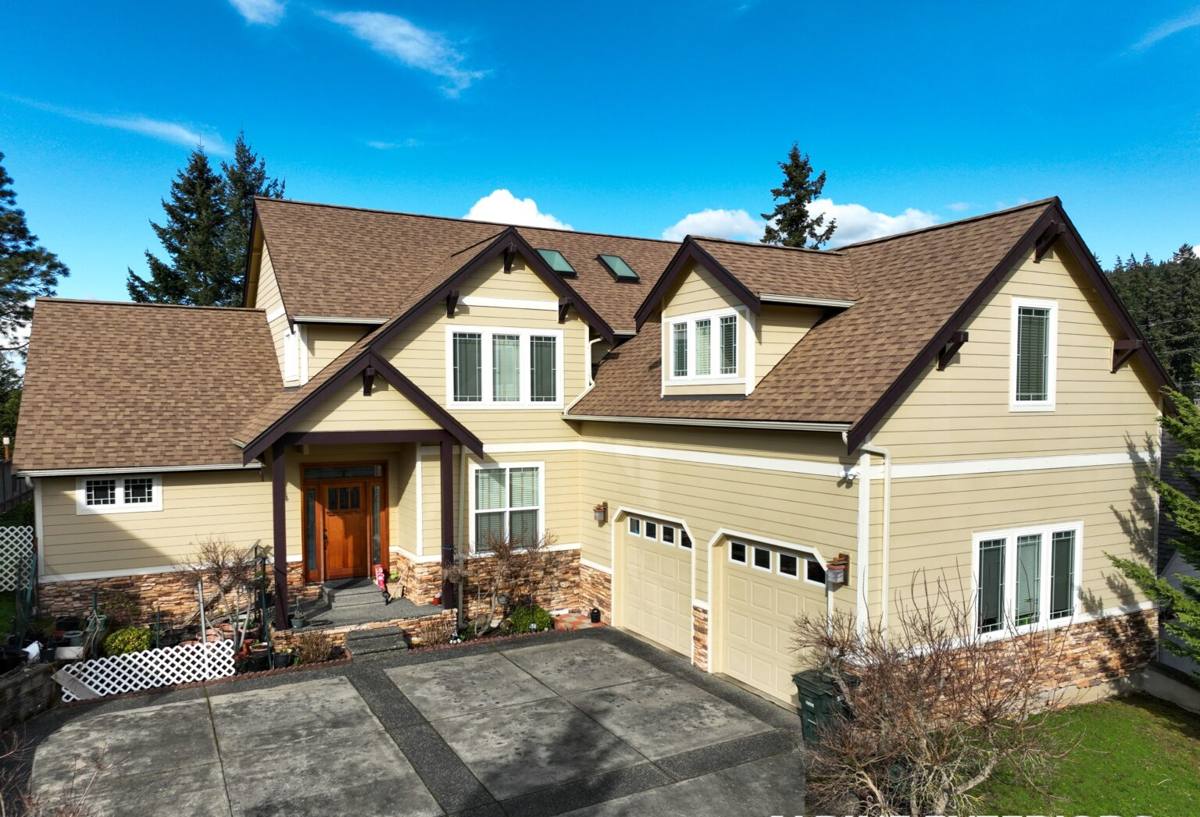
What Sunset Point Homes Need From a Custom Deck
Year-Round UV Exposure
Florida sun doesn't take a season off. Wood decking that isn't properly sealed and re-sealed will gray, check, and splinter faster here than almost anywhere else in the country. Composite and PVC boards are formulated to resist UV fading, but even those products vary in how well they hold color and resist surface heat buildup, which matters for barefoot comfort on a pool deck or patio.
Salt Air and Corrosion
Salt-laden air moves inland across all of Clearwater, not just waterfront lots. It attacks unprotected metal — screws, joist hangers, bolts, railing brackets — long before most homeowners notice anything wrong with the decking boards themselves. A deck can look fine on top while its hardware is quietly corroding underneath.
Wind-Driven Rain and Ledger Rot
Storms here rarely bring rain that falls straight down. Wind-driven rain gets pushed sideways into the joint where a deck attaches to the house — the ledger board — and if that connection isn't flashed correctly, water works its way into the house framing. This is one of the most common structural failures we find on older decks in the area, and it's almost always hidden until someone probes the wood and finds it soft.
Hurricane-Force Wind Loads
Pinellas County's building code accounts for high wind zones, and a custom deck needs to be engineered and fastened to resist uplift and lateral loads, not just support the weight of people standing on it. Undersized footings, insufficient post anchoring, or missing hurricane ties are the kind of shortcuts that don't show up in an inspection until wind puts real load on the structure.
Choosing a Decking Material That Fits This Environment
There's no single "best" decking material — there's the material that fits your budget, your maintenance appetite, and how much sun and salt exposure your specific yard gets. Here's how the common options stack up for a coastal Pinellas County property:
| Material | Upfront Cost | Maintenance | How It Handles This Climate |
|---|---|---|---|
| Pressure-treated wood | Lowest | High — regular sealing/staining | Needs consistent upkeep or it grays, cups, and checks under UV and humidity |
| Tropical hardwood | High | Moderate to high — periodic oiling | Naturally dense and rot-resistant, but still needs UV protection to hold color |
| Capped composite | Moderate to high | Low — occasional washing | Strong UV and moisture resistance; quality varies by manufacturer and cap thickness |
| Cellular PVC | High | Lowest | Fully synthetic, doesn't absorb moisture; best long-term option for wet, salty exposure |
Why We're Selective About What We Install
We don't push one product on every homeowner. Wood costs less up front but demands real ongoing maintenance to survive this climate — skip a year of sealing and you'll pay for it in surface damage. Composite and PVC cost more initially but trade that for decades of low-maintenance performance, which is often the better math for a deck that sees full Florida sun and salt air. Where we do get particular is installation: even a good composite board will fail early if it's fastened, spaced, or ventilated incorrectly, so our standard is built around manufacturer spec, not shortcuts.
What a Correct Deck Build Actually Involves
Footings Sized for Wind Uplift, Not Just Weight
Footings need to be sized and set to the depth and diameter that actually resists the uplift and lateral forces our wind zone can produce — not just deep enough to hold up foot traffic on a calm day. This is engineering, not guesswork, and it's the part of the job nobody sees once the deck is finished.
Ledger Board Attachment and Flashing
Where the deck meets the house is the single most important — and most commonly botched — connection in the entire structure. Correct flashing, proper lag or through-bolt attachment into solid framing, and a water-shedding detail at the top of the ledger keep wind-driven rain from ever reaching your home's framing.
Fasteners and Hardware
In a salt-air environment, fastener choice isn't cosmetic — it's structural longevity. Stainless steel or coated fasteners rated for coastal exposure, hot-dip galvanized or stainless structural hardware, and corrosion-resistant hidden fastener systems all cost more than standard hardware store hardware, but they're the difference between a deck that's still tight in fifteen years and one that starts loosening in five.
Permits and Inspections
Custom decks in Clearwater and Pinellas County generally require a building permit, plans that meet local wind-load requirements, and inspections at key stages of construction. Skipping this isn't just a compliance issue — it means nobody with engineering knowledge ever checked the footings, framing, or attachment before it got covered up.
Our Process, Start to Finish
- Site visit and assessment — we look at sun exposure, drainage, existing structure (for replacements), and how the deck will actually be used.
- Design and material selection — we walk through the material comparison above based on your budget and maintenance preference, and design the layout, railings, and any stairs.
- Permitting and engineering — we handle the permit application and make sure the design meets current Pinellas County wind and building code requirements.
- Construction — footings, framing, ledger attachment and flashing, decking, and railing installed to spec, with corrosion-resistant hardware throughout.
- Final walkthrough and inspection — we confirm the finished deck passes required inspections and walk you through care and maintenance before we consider the job done.
Common Deck Problems We Find on Sunset Point Homes
Because we work regularly in this area, certain failure patterns show up over and over on decks that weren't built with the local climate in mind:
- Soft or rotted ledger boards from years of unflashed or poorly flashed house-to-deck connections
- Corroded or failing fasteners and joist hangers, even when the decking boards on top still look fine
- Sun-faded, cupped, or splintering wood decking that was never resealed on a regular schedule
- Undersized or shallow footings that were adequate for calm weather but not for real wind loading
- Railings and posts that have loosened because standard, non-coastal-rated hardware corroded over time
Most of these are invisible from the surface until they've progressed. If your deck is more than eight to ten years old and hasn't had a structural check, it's worth having someone look underneath, not just at the boards on top.
Maintenance Checklist for Coastal Decks
Whatever material you choose, a little regular attention goes a long way in this climate. A basic seasonal routine looks like:
- Rinse the deck surface periodically to clear salt residue, pollen, and organic buildup
- Check and re-seal or re-stain wood decking on the schedule the product actually needs — not just when it starts to look faded
- Inspect railings, posts, and stair connections for looseness at least once a year
- Look underneath the deck at the ledger connection and footings after major storms
- Keep gutters and downspouts near the deck clear so runoff isn't dumping extra water onto framing or footings
- Trim back landscaping that's trapping moisture against the deck structure or keeping boards from drying out between rains
Why Hire a Crew That Already Works in Sunset Point
A deck built to a generic spec sheet, by a crew that doesn't build regularly in Pinellas County, tends to miss the details that matter here: the fastener grade that actually survives salt air, the flashing detail that stands up to wind-driven rain, the footing depth that respects our wind zone rather than a mild-climate default. Crews that already work in and around Clearwater know the local permitting process, know what the inspectors are checking for, and have already seen how different materials and hardware hold up — or don't — a few years down the road on homes just like yours.
That familiarity translates into fewer surprises during the permit process, a design that's realistic for your lot and sun exposure from day one, and a finished deck that's built for the climate it actually has to survive, not the climate a national average assumes.
If you're planning a new custom deck in Sunset Point or need an honest look at one that's showing its age, we're happy to come take a look. Use the form below to request a free, no-pressure estimate.