 Clearwater Roofing
 Siding Installation in Sunset Point: Built for the Water, the Wind, and the Sun
Sunset Point sits close enough to Clearwater Harbor that its homes take a different kind of beating than houses a few miles inland. Salt-laden air moves through the neighborhood daily, afternoon sun bakes exterior walls for most of the year, and when a tropical system tracks through Pinellas County, wind-driven rain gets pushed sideways into every seam and joint your siding has. A siding installation here isn't just about appearance — it's about choosing a material and an install method that can stand up to that combination without failing early.
We install James Hardie fiber cement siding exclusively, and we've worked houses throughout this part of Clearwater long enough to know which details actually matter on a home this close to the harbor. This page covers what a correct siding installation looks like in Sunset Point specifically — not siding installation in general.
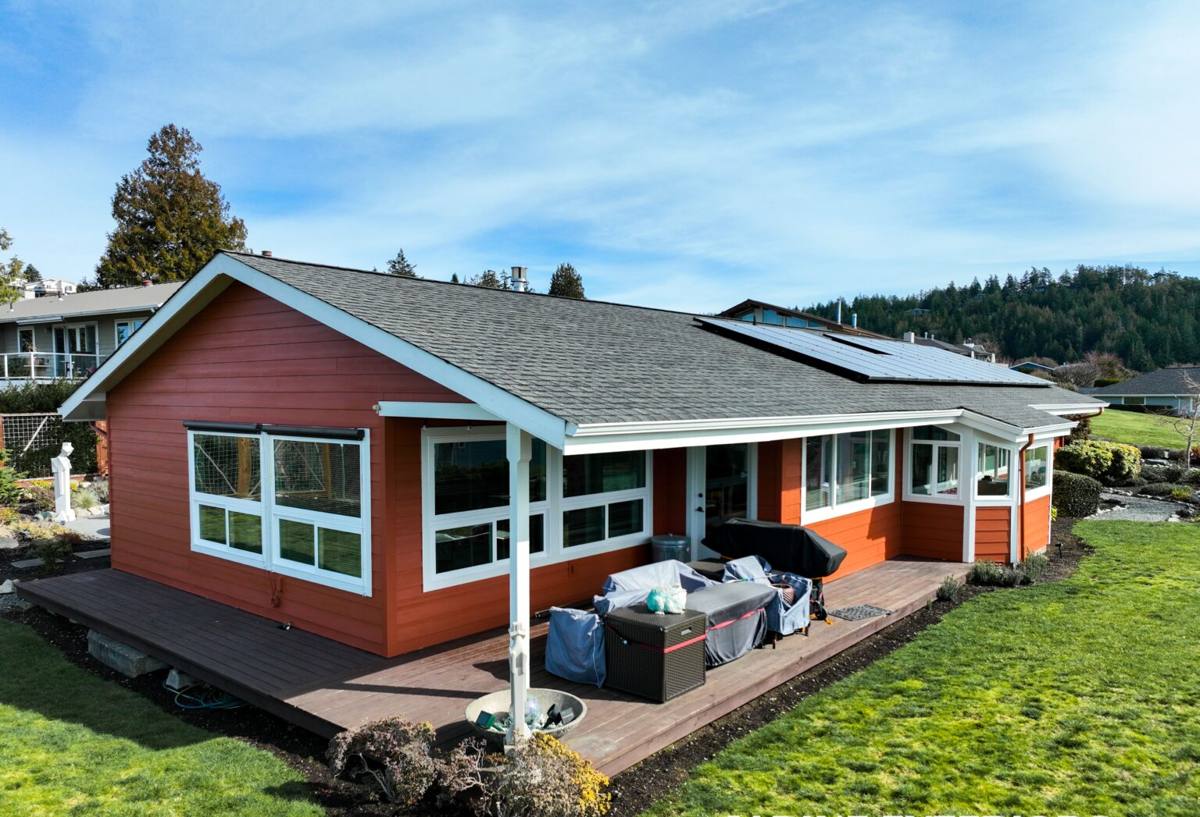
What Coastal Exposure Actually Does to Siding
It helps to understand the specific stresses at work before talking about the fix:
Salt Air
Airborne salt is corrosive to exposed metal fasteners, flashing, and trim hardware, and it accelerates the breakdown of lower-grade siding finishes over time. Materials and fasteners that aren't rated for coastal exposure age faster here than they would twenty or thirty miles inland.
UV Load
Florida sun is intense nearly year-round. Paint film and factory finishes that aren't engineered for this UV exposure chalk, fade, and lose adhesion well ahead of schedule — which is why the finish system matters as much as the substrate underneath it.
Wind-Driven Rain
During tropical storms and hurricane-force wind events, rain doesn't just fall — it's driven horizontally into siding joints, seams, and penetrations. Any weak point in the water-management details behind the siding becomes an entry point for moisture, and moisture behind siding is where real damage starts.
Humidity and Moisture Cycling
Between the harbor proximity and Florida's humidity, siding here goes through constant cycles of moisture absorption and drying. A material that swells, absorbs water, or supports rot under those conditions is fighting a losing battle from day one.
Why We Install Only James Hardie Fiber Cement
None of the pressures above are unique to Sunset Point — they apply across Clearwater and most of coastal Pinellas County. But they're a big part of why we standardized on James Hardie fiber cement siding and stopped installing vinyl, LP SmartSide, or other wood-based products years ago.
Fiber cement is non-combustible, doesn't expand and contract with heat the way vinyl does, and won't absorb and swell with moisture the way engineered wood products can if a seam or cut edge is compromised. James Hardie's ColorPlus factory finish is baked on and warranted against fading and peeling, which matters directly in a location that gets this much direct sun. Hardie also engineers specific HZ5 product lines for the Southeast's humidity and moisture profile — the material isn't a generic national product adapted to Florida, it's built with this climate as a design input.
We won't say other siding products are worthless — they have real uses and price points that make sense for some homeowners. But for what a Sunset Point home is exposed to, we've made a professional judgment that Hardie fiber cement gives homeowners the best combination of durability, low long-term maintenance, and warranty protection, and it's the only product we put our name behind installing.
What a Correct Siding Installation Actually Involves
Siding failures in coastal areas are rarely about the siding material itself — they're almost always about what's happening underneath it. A correct installation gets the hidden layers right, not just the visible finish.
- A properly installed weather-resistive barrier behind the siding, lapped correctly so water sheds outward instead of working its way in
- Flashing at every window, door, and penetration, integrated with the barrier rather than just caulked over
- Correct fastener type, spacing, and depth — James Hardie publishes specific fastening requirements, and getting this wrong is one of the most common causes of early siding problems
- Proper starter strips, corner treatments, and butt joints sealed and backed per manufacturer specification
- Adequate clearance between the bottom of the siding and grade, roofing, decks, or patios so water doesn't wick into the material
- Correct panel gapping to allow for the material's normal expansion and contraction
Skip any one of these and the siding may look fine for a year or two while a moisture problem builds behind it. This is the part of the job a homeowner can't easily inspect after the fact, which is exactly why installation quality matters more than brand loyalty alone.
Our Installation Process
The process is the same discipline on every Sunset Point job, adjusted for the home's specific exposure and condition:
1. On-Site Assessment
We look at the home's current siding and sheathing condition, existing moisture damage if any, window and door flashing, and how exposed the house is to prevailing wind and salt air based on its position and surroundings.
2. Tear-Off and Substrate Check
Old siding comes off and we inspect the sheathing underneath. Any soft, rotted, or water-damaged sheathing gets addressed before anything new goes on — installing new siding over a compromised substrate just hides a problem instead of fixing it.
3. Weather Barrier and Flashing
We install the weather-resistive barrier and integrate flashing at every window, door, and penetration point. This layer is what actually keeps wind-driven rain out, and it's the part of the job that gets rushed by crews trying to move fast.
4. Hardie Installation to Spec
Panels or planks go on following James Hardie's published fastening, gapping, and clearance requirements — the same requirements that keep the manufacturer's warranty intact.
5. Trim, Caulking, and Finish Details
Corner boards, trim, and joint sealing are finished out, and everything gets a final inspection walk-through before we call the job complete.
Signs a Sunset Point Home May Need New Siding
Homeowners in this area often notice one or more of these before calling for an estimate:
| What You're Seeing | What It Usually Means |
|---|---|
| Bubbling, peeling, or bare spots in exterior paint | Moisture is likely getting behind the siding or the finish has failed |
| Soft or spongy spots when you press on siding | Possible rot or water damage in the siding or sheathing behind it |
| Warped, cupped, or separating panels | Moisture cycling or a failed installation detail |
| Visible cracking, especially near corners and seams | Material fatigue or an impact that's compromised the water seal |
| Rising energy bills with no other explanation | Gaps or failed siding can be letting conditioned air escape |
| Musty smell or visible mold near exterior walls indoors | Possible moisture intrusion behind the siding — worth an inspection soon |
What Affects the Cost of a Siding Installation
We don't publish blanket pricing because every home is different, but these are the real factors that move a siding installation estimate up or down:
| Factor | Why It Matters |
|---|---|
| Home size and number of stories | More surface area and height affect both material and labor |
| Condition of existing sheathing | Rot repair found during tear-off adds scope but protects the new siding investment |
| Amount of trim, corners, and architectural detail | More cuts and detail work means more labor time |
| Access around the home | Tight lot lines, fencing, or landscaping can slow staging and installation |
| Product line and profile chosen | James Hardie offers multiple plank widths, textures, and colors at different price points |
| Window and door count | Each opening requires flashing and trim work |
An accurate number only comes from an on-site look at your specific home — but these are the variables we're actually weighing when we put together your estimate.
Why a Crew That Already Works This Area Matters
Siding installation isn't a one-size-fits-all job across Pinellas County. A crew that regularly works homes near the harbor already understands how exposed a given lot is likely to be, what kind of wear shows up first on siding in this area, and how to sequence a job around Florida's afternoon storm patterns without leaving a home's substrate exposed overnight. That familiarity shows up in the small decisions on a job site — where extra flashing attention is worth the time, how tight the caulking and sealing needs to be at ground-level joints, and which details tend to get tested hardest when the next storm comes through.
It also means we're not learning Clearwater's climate on your house. We've built our process around what actually holds up here, not around a generic installation manual written for a different climate.
Caring for Hardie Siding After Installation
One advantage of fiber cement is how little upkeep it needs compared to painted wood siding — but "low maintenance" isn't "no maintenance," especially this close to the water. A simple annual routine keeps the investment protected:
- Rinse the siding periodically with a garden hose to clear off salt residue and airborne grime
- Walk the exterior after major storms and check for cracked panels, loose trim, or damaged caulking
- Keep sprinklers from spraying directly on siding — constant wetting shortens the life of any finish
- Trim back landscaping so foliage isn't holding moisture against the siding
- Repaint or touch up trim on the manufacturer's recommended cycle, even though ColorPlus panels themselves are warranted against fading
- Address any caulking gaps at joints and penetrations promptly rather than waiting
Ready to Talk About Your Home
If your Sunset Point home's siding is showing its age, or you're planning ahead of the next storm season, we're happy to take a look and give you a straightforward, no-pressure estimate for James Hardie siding installation done right the first time. Use the form below to get started.