 Clearwater Roofing
 Windows in Del Oro Face a Tougher Job Than Most
Del Oro homes sit in one of the more demanding climates in the country for exterior building components, and windows take the brunt of it. Between hurricane-force wind events, sustained coastal humidity, intense year-round UV exposure, and the slow corrosive effect of salt-laden air drifting in off the Gulf, a window in this part of Pinellas County is doing far more work than the same window would in a drier, milder inland market. That's true whether the house is an older build with its original single-pane windows or a newer home due for a routine replacement.
When we talk about "window installation" in Del Oro, we're not just talking about swapping glass. We're talking about choosing a window rated for wind pressure and impact resistance, installing it so the seal actually holds under storm-driven rain, and using materials and fasteners that won't degrade prematurely in a salt-air environment. Skip any one of those pieces and the window will underperform long before it should.
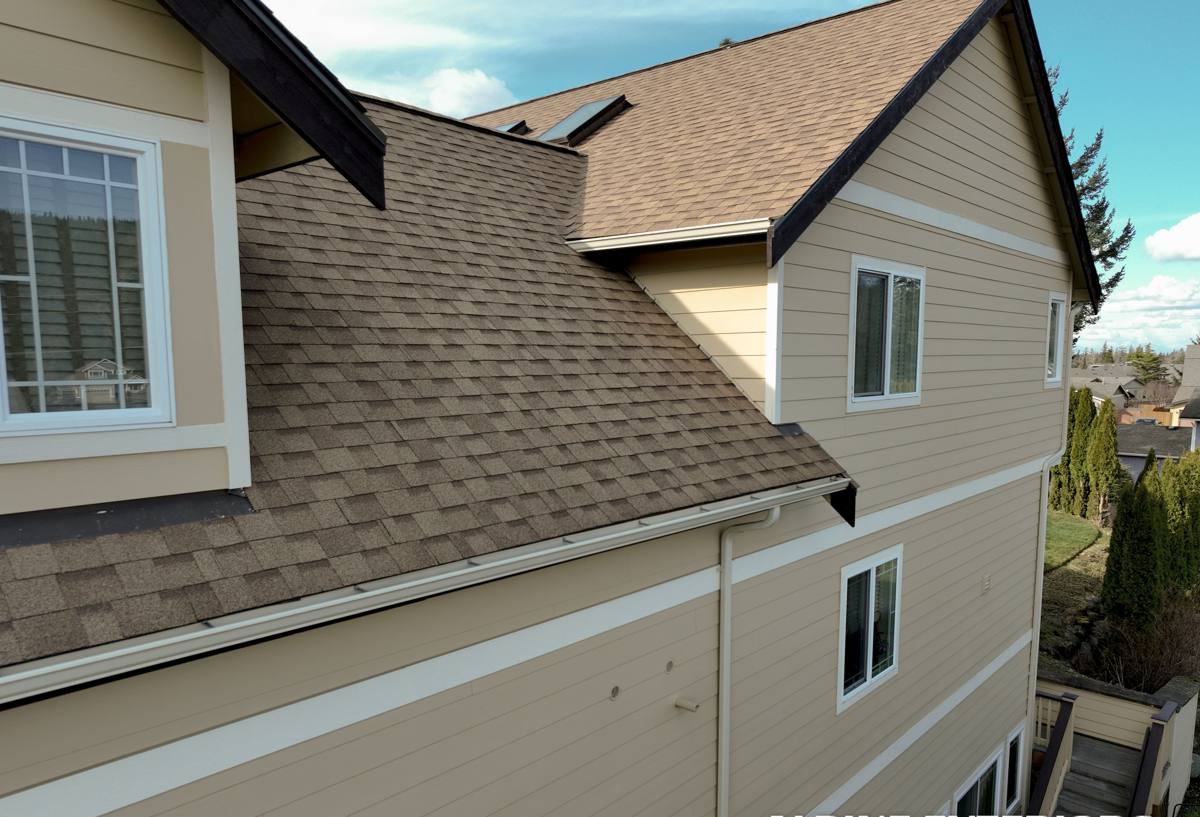
What "Correct" Actually Means for a Coastal Window Install
A window installation is only as good as its weakest step, and most of the steps that matter are invisible once the trim goes back on. Here's what we consider non-negotiable on every job in this neighborhood:
- Removing the old window down to the rough opening and inspecting the framing and sill for rot, moisture staining, or prior water intrusion before anything new goes in
- Correcting any soft or compromised framing rather than installing a new window over a damaged opening
- Installing flashing and a properly lapped weather-resistive barrier so water is directed out, not trapped behind the window
- Using a continuous bed of sealant at the nailing fin or flange, not spot-caulking after the fact
- Fastening to manufacturer and code-specified schedules so the window actually performs at its rated wind pressure
- Sealing and insulating the interior gap around the frame to control both air infiltration and condensation
- Finishing with materials suited to sun and salt exposure, not standard interior-grade trim and caulk
Any one of these steps done carelessly can turn a good window into a leak point within a couple of storm seasons. This is where a lot of window problems in this area actually originate — not a bad window, but a rushed or incomplete installation around a decent one.
Choosing the Right Window for a Del Oro Home
Impact-Rated vs. Standard Windows
Florida Building Code sets wind-load and, in many cases, impact-resistance requirements for replacement windows in our part of the state, and Pinellas County permitting enforces those requirements on covered projects. In practice, that means most Del Oro homeowners are choosing between an impact-rated window (laminated glass designed to stay intact under wind-borne debris impact) or a standard window paired with code-compliant shutters or storm panels. We'll walk you through which path applies to your specific home and help you weigh the trade-offs rather than assuming one option fits every situation.
Frame Material Matters More Here Than Inland
Salt air is hard on some frame materials faster than others. It doesn't disqualify any one material outright, but it does change the maintenance conversation.
| Frame Material | How It Handles Salt Air & UV | Maintenance Reality |
|---|---|---|
| Vinyl | Won't corrode; UV-stable formulations resist yellowing and warping | Low — occasional cleaning, no repainting |
| Aluminum | Naturally corrosion-resistant when properly finished, strong for larger openings | Low to moderate — finish quality determines long-term appearance |
| Fiberglass | Very stable dimensionally, resists warping in heat and humidity swings | Low — durable finish, higher upfront cost |
| Wood (unclad) | Requires the most protection from moisture and salt exposure | Higher — periodic sealing/repainting to prevent deterioration |
We're upfront about this: an unclad wood window can still look great in a coastal home, but it asks more of the homeowner in upkeep. We'd rather tell you that before installation than let you find out three summers in.
Our Installation Process, Start to Finish
1. On-Site Assessment
We look at each opening individually — not just the window itself, but the framing, existing flashing, and any signs of past water intrusion. Del Oro has a mix of home ages and construction styles, so we don't assume one opening is like the next.
2. Product Selection
We go over wind-rating and impact requirements for your address, frame material trade-offs, and glass options (including low-E coatings that help with Florida's year-round solar heat gain), so the decision is based on your home and budget, not a one-size pitch.
3. Permitting
Window replacement in Pinellas County typically requires a permit, and impact-rated products need documentation showing they meet the applicable wind-load requirements. We handle this so you're not chasing paperwork or guessing whether a job passed inspection.
4. Removal and Opening Prep
Old windows come out carefully, and we address any deteriorated framing or sill material before a new window goes in. Installing over a compromised opening is one of the most common causes of early leaks, and we won't do it.
5. Installation
Flashing, sealant, fastening, and insulation are done to manufacturer specification and local code — the steps outlined above aren't optional add-ons, they're the standard process.
6. Final Inspection and Walkthrough
We check operation, seal integrity, and finish work, and walk you through what to expect from the new windows before we consider the job done.
How to Tell Your Current Windows Are Already Struggling
Homeowners often wait until a window visibly fails, but there are earlier warning signs worth acting on:
- Fogging or a persistent haze between panes on double-pane windows (a sign the seal has failed)
- Difficulty opening, closing, or locking that wasn't there a year or two ago
- Visible daylight or a draft around the frame
- Soft, discolored, or bubbling trim or sill material
- A musty smell or soft drywall near the window after heavy rain
- Noticeably higher cooling bills without another clear cause
Wind-driven rain during Florida storms has a way of finding any weak point in a window system, so a window that's "mostly fine" can still let water in during the wrong weather event. If you're seeing any of the above, it's worth having it looked at before hurricane season rather than during it.
What Drives the Cost of a Window Installation
Every home and every window is different, so we won't quote a number without seeing the job, but these are the main factors that move the price up or down:
| Factor | Why It Affects Cost |
|---|---|
| Impact-rated vs. standard glass | Laminated impact glass and reinforced frames cost more than standard units but remove the need for separate shutters |
| Window size and opening count | Larger openings and whole-house replacements involve more material and labor |
| Frame material | Vinyl, aluminum, fiberglass, and wood carry different material costs |
| Condition of the existing opening | Rotted framing or prior water damage adds repair work before the new window can go in |
| Access and second-story work | Harder-to-reach openings add labor time and equipment needs |
| Permitting requirements | Documentation and inspection scope vary by project type and product rating |
As a general rule, a straightforward single-window replacement runs far less than a whole-home impact-window upgrade, and we'll break down where your money is going line by line rather than handing you a lump sum.
What to Ask Before You Hire Anyone for This Job
Window installation is one of those jobs where the visible result can look fine for a year even if the install was done wrong — the real test comes in the first serious storm. Before hiring any contractor for window work in Del Oro, it's worth asking:
- Are you licensed to do this work in Florida, and can I see proof?
- Will you pull the required Pinellas County permit for this job?
- What wind-load and impact rating does this window carry, and is that documented?
- What's your process for flashing and sealing the opening — not just the window brand?
- What happens if you find rot or damage once the old window is out?
- What's covered under warranty — the product, the labor, or both?
A contractor who answers these clearly and specifically, without deflecting, is a good sign. Vague answers on flashing, permitting, or warranty coverage are worth pausing on.
Why Local Experience in Del Oro Actually Matters
A crew that regularly works this neighborhood already knows the general housing stock, the common opening sizes and framing quirks, and what Pinellas County's permitting office expects on submission — which means fewer surprises and fewer delays. We're not learning the local code requirements or the climate demands on the fly; we're applying what we already know works here. That familiarity shows up in small ways that add up: fewer change orders, a smoother permit process, and window installs built for the wind, rain, and salt air this part of Clearwater actually sees, not a generic install done the same way it would be in a landlocked market.
Get a Straightforward Estimate
If your windows in Del Oro are aging, drafty, fogged, or you're simply planning ahead of hurricane season, we're happy to take a look and give you an honest read on your options. Use the form below to request a free, no-pressure estimate — no obligation, just a clear picture of what your home needs.