 Clearwater Roofing
 Window Replacement Built for Belleair's Coastal Conditions
Belleair sits close enough to the Gulf that its homes take a different kind of beating than houses a few miles inland. Salt-laden air, near-constant humidity, intense UV exposure, and the real possibility of hurricane-force wind and wind-driven rain all act on windows the same way, year after year: seals fail sooner, frames corrode or rot faster, and glass that looked fine five years ago starts fogging, sticking, or leaking. Replacing windows here isn't just a cosmetic upgrade or an energy-bill fix. Done right, it's one of the more important things you can do to protect the rest of the house.
We've worked on enough homes in and around Belleair and greater Clearwater to know the housing stock isn't uniform. Some properties have older aluminum-frame single-pane windows original to the home. Others have had one or two rounds of replacement already, with mixed results depending on who did the work and when. A window replacement plan that ignores that history — or ignores what Pinellas County's climate does to materials over time — tends to fail early. This page is about what a correct job looks like for a Belleair home specifically, not windows in general.
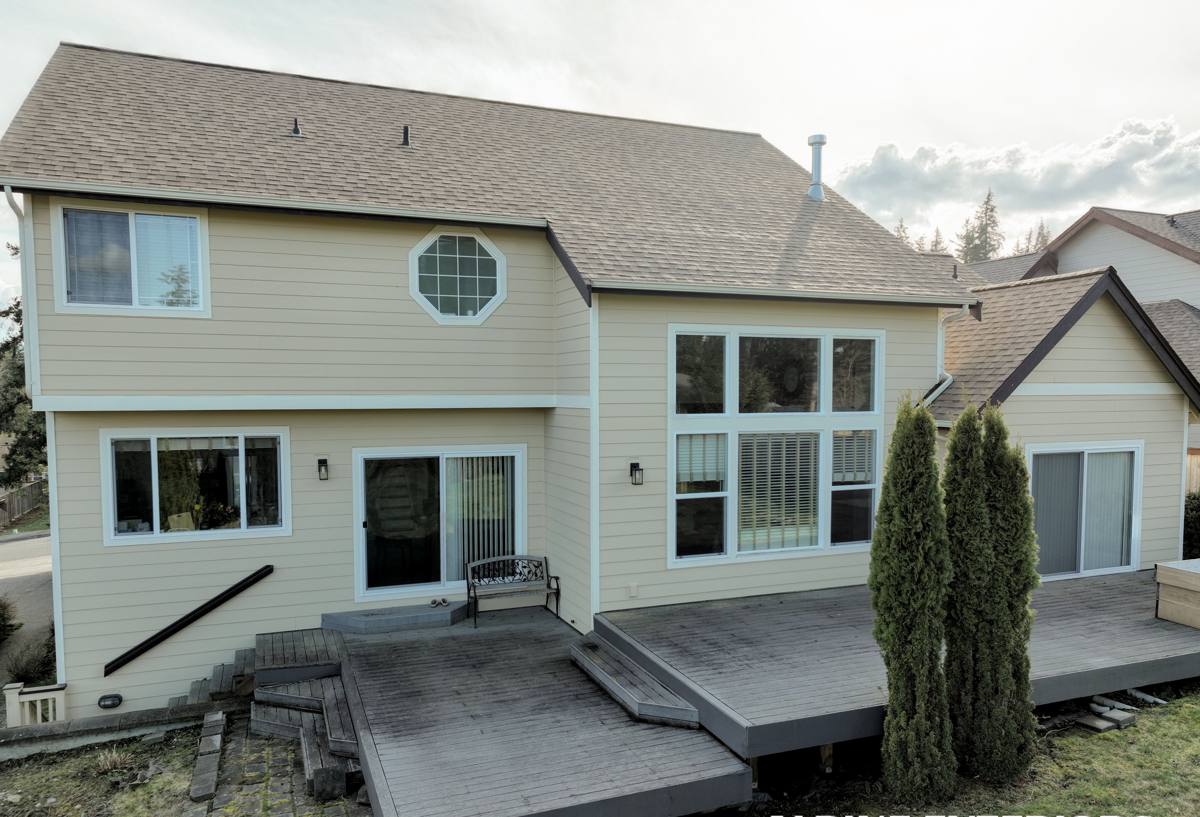
What Clearwater's Climate Actually Does to Windows
It helps to understand the specific stresses at play, because they determine what materials and installation methods actually hold up here.
Salt Air and Corrosion
Belleair's proximity to the Gulf means airborne salt travels further inland than most homeowners expect. It settles on and around window components and accelerates corrosion in lower-grade metal hardware, fasteners, and frames. Aluminum frames without adequate protective finishes are especially prone to pitting and eventual failure over years of exposure.
UV and Heat
Florida sun is intense and constant almost year-round. UV exposure breaks down window seals, gaskets, and certain vinyl and composite materials faster than in most other parts of the country. It also drives up cooling costs when glass and frames aren't rated to reduce solar heat gain.
Wind-Driven Rain
Even outside of a named storm, Pinellas County sees frequent heavy rain events with wind behind them. Wind-driven rain finds any gap in flashing, sealant, or a poorly-fitted frame and pushes water in — often in places you won't notice until there's already interior damage.
Hurricane-Force Wind and Windborne Debris
During storm season, windows are a structural weak point if they're not rated for the wind pressures and debris impact requirements that apply to this part of Florida. A failed window during a storm doesn't just mean a broken pane — it can pressurize the whole structure and cause much larger damage to the roof and walls.
Signs a Belleair Home's Windows Need Replacing
Homeowners often wait longer than they should because window problems develop gradually. Watch for these warning signs:
- Fogging or condensation between panes of double-pane glass — a sign the seal has failed
- Windows that are difficult to open, close, or lock, or that have started to warp
- Visible corrosion, pitting, or white chalky buildup on aluminum frames
- Soft, discolored, or rotting wood around frames and sills
- Drafts or noticeable temperature differences near windows even when closed
- A jump in cooling costs without any other explanation
- Peeling paint, bubbling drywall, or musty smells near window frames — signs moisture is already getting in
- Single-pane glass with no impact rating, especially on a home that hasn't been updated since original construction
Any one of these on its own might not mean full replacement is urgent. Several at once, especially combined with an older aluminum frame, usually means it's time to stop patching and start planning.
What a Correct Window Replacement Job Actually Involves
A window replacement is only as good as the parts of the job nobody sees once it's finished. The window unit itself matters, but so does everything around it.
Removal Without Hidden Damage
Removing an old window can reveal rot, corrosion, or water intrusion in the surrounding framing that wasn't visible from inside the house. A correct process stops to address that damage before anything new goes in — sealing a new window into a compromised opening just locks the problem in behind new trim.
Flashing and Water Management
Proper flashing directs any water that gets past the window itself back out and away from the wall assembly, rather than letting it pool or wick into framing. This is one of the most common points where a rushed installation cuts corners, and it's usually invisible until a leak shows up years later.
Sealant and Fastening Rated for the Coast
Sealants and fasteners need to be suited to salt-air exposure, not just whatever is on hand. Standard-grade hardware that would be fine inland can corrode noticeably faster within a few miles of the Gulf.
Level, Plumb, and Square Installation
A window that's out of square puts stress on the frame, makes hardware wear unevenly, and creates gaps that let in air and water even with a good sealant job. This comes down to careful setup, not just having a quality window product.
Interior and Exterior Finish Work
Trim, caulking, and paint or finish work around the new window should match the surrounding materials and hold up to the same UV and humidity exposure as everything else on the exterior.
Choosing the Right Window for a Belleair Property
There's no single "best" window for every home — the right choice depends on the home's age, exposure, and what the homeowner is trying to solve (storm protection, energy costs, noise, appearance, or some combination). Here's how the common options compare for this specific climate:
| Window Type | Storm Performance | Maintenance in Salt Air | Typical Fit |
|---|---|---|---|
| Impact-rated glass, vinyl or aluminum frame | Strong — rated for wind pressure and debris impact | Low to moderate, depends on frame material | Homes wanting storm protection without shutters |
| Non-impact double-pane, with separate shutters/panels | Adequate if shutters are deployed in time | Moderate — shutters add upkeep | Budget-conscious homes willing to manage shutters |
| Older single-pane aluminum (existing, not replaced) | Weak — not rated for current wind/debris standards | High — frames corrode, seals fail | Not recommended long-term this close to the Gulf |
| Wood-frame windows | Varies by construction and glass rating | High — most vulnerable to humidity and rot | Homes prioritizing a traditional look, with realistic upkeep expectations |
Frame material matters as much as the glass. Quality vinyl frames generally resist salt-air corrosion better than lower-grade aluminum, while fiberglass and better-finished aluminum options split the difference on cost and durability. We walk through these trade-offs honestly rather than pushing whatever has the best margin — the right answer depends on your budget, how long you plan to stay in the home, and how much upkeep you want to take on.
Permits, Wind Codes, and Insurance in Pinellas County
Window replacement in this part of Florida isn't just a materials decision — it's a code and paperwork one too. Pinellas County falls within the wind-borne debris region under the Florida Building Code, which sets minimum requirements for wind pressure resistance and, in many cases, impact resistance or approved protective coverings. Permits are typically required for window replacement, and inspections confirm the installation meets the code that applies to your specific property and wind zone.
This matters beyond just passing inspection. Insurance carriers increasingly ask for documentation of code-compliant, permitted window work, and some offer premium credits for impact-rated windows. Skipping the permit to save time or money can create real problems later — at resale, at claim time, or if a future contractor has to work around undocumented changes.
Cost Factors Homeowners Should Expect to Discuss
| Factor | Why It Affects Cost |
|---|---|
| Impact vs. non-impact glass | Impact-rated glass and reinforced frames cost more upfront but reduce or eliminate the need for separate storm protection |
| Frame material | Vinyl, aluminum, fiberglass, and wood carry different material and installation costs and hold up differently in salt air |
| Number and size of openings | Larger or non-standard window sizes may require custom fabrication |
| Condition of existing framing | Rot or corrosion discovered during removal adds repair work before the new window can go in |
| Permit and inspection requirements | Code compliance work is part of a legitimate quote, not an optional add-on |
Our Window Replacement Process, Start to Finish
We keep the process straightforward and communicate at each stage rather than disappearing until it's "done."
- On-site assessment. We look at every window being considered for replacement, check the surrounding framing for hidden moisture or corrosion damage, and talk through what you're trying to solve.
- Honest product recommendation. We explain the realistic trade-offs between window types and frame materials for your specific home and budget — no upselling to the most expensive option by default.
- Written estimate and permit planning. You get a clear scope of work, and we handle the permit application so the job is documented and inspected properly.
- Careful removal. Old windows come out without unnecessary damage to surrounding trim, siding, or framing, and we flag anything unexpected we find before proceeding.
- Correct installation. New windows go in level, plumb, and square, with proper flashing and coastal-grade sealant and fasteners.
- Finish work. Interior and exterior trim, caulking, and touch-up work are completed to match the rest of the home.
- Inspection and walkthrough. We coordinate the required inspection and walk the finished work with you before calling the job done.
Why a Crew That Already Works in Belleair Matters
Window replacement quality depends heavily on local knowledge that doesn't show up on a spec sheet. A crew that regularly works in and around Belleair and the wider Clearwater area already understands the wind zone requirements that apply here, knows what to expect when opening up an older home's window framing, and has relationships with the local permitting process that keep a project moving instead of stalling. That familiarity shows up as fewer surprises, fewer change orders, and a job that passes inspection the first time.
It also matters for accountability. A contractor with an ongoing presence in this specific market has a reputation to protect with neighbors, not just a one-time customer relationship. That's a meaningful difference from a crew passing through the area for a single job.
Protecting the Rest of Your Home, Not Just the Windows
Windows don't fail in isolation. A leaking or poorly-sealed window can lead to water intrusion that affects framing, insulation, drywall, and even flooring nearby. In a coastal climate like Belleair's, that kind of hidden moisture problem tends to develop quietly over months or years before it becomes visible. Replacing windows correctly — with proper flashing, sealing, and code-compliant materials — is as much about protecting everything around the window as it is about the window itself.
If you're weighing whether it's time to replace windows on a Belleair home, we're glad to take a look and give you a straightforward assessment — including if the honest answer is that repair or partial replacement makes more sense than a full job. Reach out for a free, no-pressure estimate using the form below.