 Clearwater Roofing
 Why Roofs on Clearwater Beach Wear Differently
A roof three blocks from the Gulf ages differently than one a few miles inland in Pinellas County. Salt-laden air corrodes exposed fasteners and metal flashing faster than fresh air ever would. Wind off the water drives rain sideways and up under shingle tabs and tile laps, finding gaps that would never get tested on a calmer, more sheltered roof. Add Florida's near-constant UV load, and you get materials that dry out, curl, and lose their protective granules years before their rated lifespan suggests they should. None of this means a Clearwater Beach roof is doomed to fail early — it means it needs repairs that account for the environment it actually sits in, not the generic conditions a shingle or tile is tested under in a lab.
We work on homes and condos in this specific stretch of coastline regularly, which matters more than it sounds. A repair crew that mostly works inland subdivisions can still do competent work, but they're not necessarily thinking about corroded nail heads, wind-loaded flashing details, or the extra scrutiny that barrier island wind codes call for. Roofing here isn't a different trade — it's the same trade applied with more discipline in the details that actually fail first.
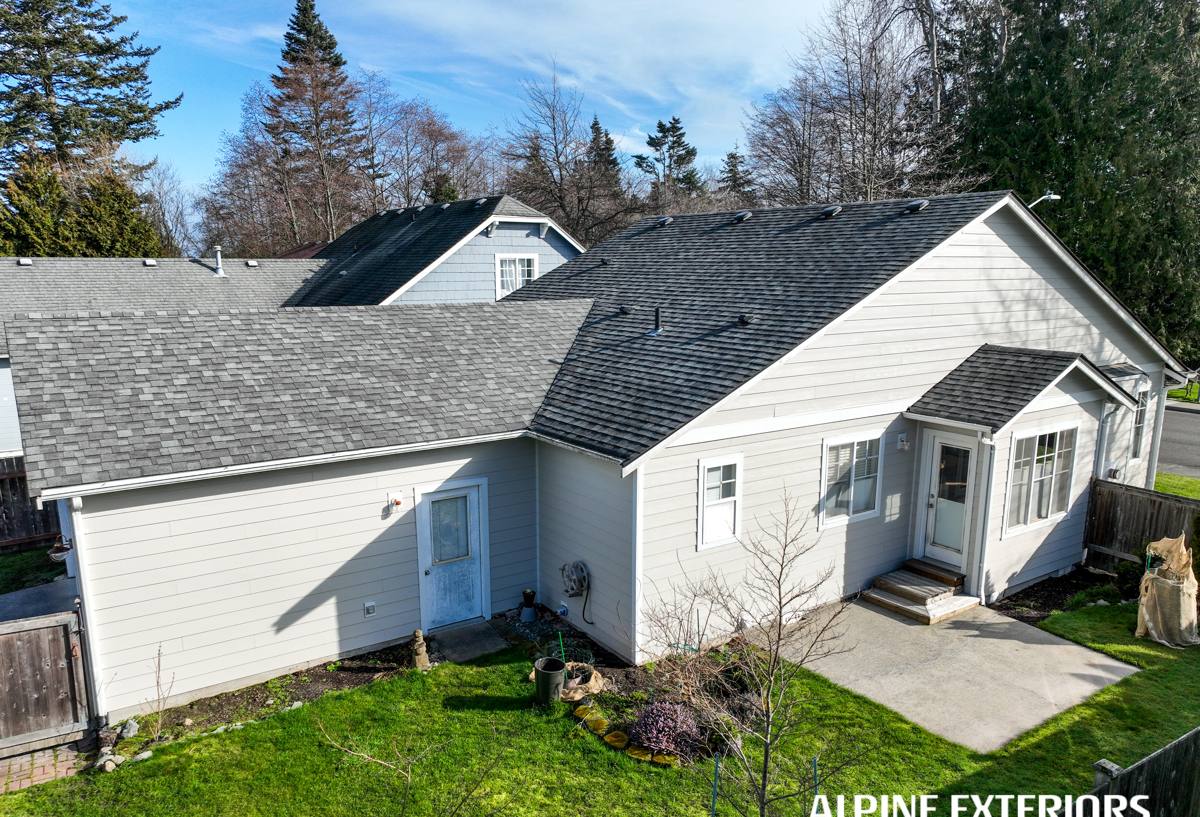
Signs You Need a Roof Repair, Not a Full Replacement
Early Warning Signs
Most roof problems on Clearwater Beach start small and stay small for a while — which is exactly when repair makes the most sense. Watch for:
- Granules collecting in gutters or at downspout discharge points
- A shingle tab or two lifting or curling, especially on the side of the roof that faces prevailing wind
- Small brown or yellow ceiling stains that don't grow between rains
- Cracked or slipped tiles on a tile roof, particularly near ridges and valleys
- Rust streaking below metal flashing, vents, or fasteners
Signs That Need Same-Week Attention
Some issues shouldn't sit on a maintenance list. Active dripping during rain, a soft or spongy spot on the decking underfoot, daylight visible through the roof deck from the attic, or flashing that's visibly separated from a wall or chimney all point to an active entry point for water. In a coastal environment, a small leak left alone doesn't stay small — humidity and repeated wetting accelerate rot and mold growth faster than in a drier inland attic.
What Actually Causes Most Repairs on Clearwater Beach Homes
Wind-Driven Rain and Flashing Failures
Most leaks we find near the beach don't start in the field of the roof — they start at flashing: around chimneys, skylights, roof-to-wall junctions, and low-slope transitions. Wind-driven rain doesn't just fall, it pushes sideways and up under laps that are perfectly fine in a straight-down rainstorm. Flashing that was installed a little loose, or that's corroded thin from years of salt exposure, is where water finds its way in first.
Salt Air and Fastener Corrosion
Standard galvanized fasteners and lower-grade metal flashing corrode noticeably faster within a mile or so of the Gulf than they do further inland. Once a nail head rusts through or a flashing edge thins out, it stops doing its job even though the shingles or tiles around it might still look fine. This is one of the most common repair triggers we see on Clearwater Beach roofs that are otherwise in decent shape.
UV Breakdown and Granule Loss
Florida sun is intense and consistent year-round, not seasonal like it is in much of the country. On asphalt shingles, UV exposure breaks down the asphalt binder and drives off protective granules over time, leaving the mat beneath more brittle and less waterproof. This shows up as a slow, steady decline rather than a sudden failure — which is why regular inspection catches it while it's still a repair and not a replacement.
What a Correct Repair Involves in This Environment
Matching Materials and Wind Rating
A patch is only as good as its compatibility with what's already on the roof. We match shingle profile, color, and wind rating as closely as possible so a repair doesn't stand out or become the next weak point. On tile roofs, that means matching tile profile and securing it to the same wind-resistance standard as the surrounding field, not just gluing it back down. Pinellas County's coastal construction requirements exist because wind uplift is a real, tested risk here — a repair that ignores those standards is a repair that's likely to fail in the next strong blow.
Flashing First, Shingles Second
Because flashing failure is the most common root cause we find, we treat it as the starting point of any repair, not an afterthought. Replacing shingles or tile over failed flashing just buys a little time before the same leak reappears in the same spot. Where corrosion is present, we replace the flashing with material suited to coastal exposure rather than reusing what's there.
Our Roof Repair Process
1. Inspection
We start by getting on the roof (weather and safety permitting) and in the attic if accessible, tracing water stains back to their actual entry point rather than assuming the leak is directly above where it shows up inside — it often isn't, especially on a slope.
2. Written Scope and Straight Talk
Before any work starts, you get a clear explanation of what's failing, why, and what the repair involves. If the roof is old enough or damaged enough that repair is a short-term fix at best, we'll tell you that plainly and lay out the honest tradeoff instead of patching something that needs a bigger conversation.
3. The Repair
Work is done with materials matched to what's already on your roof and fasteners suited to coastal exposure. Flashing, underlayment, and decking are addressed wherever they're compromised — not just the visible shingles or tile on top.
4. Cleanup and Documentation
We clear debris and old material from the site, and where it's useful — for insurance purposes or your own records — we document the damage and the repair with photos.
Repair vs. Replacement: How We Help You Decide
Not every damaged roof needs to come off. The decision usually comes down to age, extent of damage, and how many separate issues are showing up at once.
| Factor | Points Toward Repair | Points Toward Replacement |
|---|---|---|
| Roof age | Under 60-70% of expected material lifespan | Near or past expected lifespan for the material |
| Extent of damage | Isolated to one area or component | Spread across multiple slopes or systemic (widespread granule loss, multiple failed flashing points) |
| Decking condition | Solid, dry decking under the damaged area | Soft, rotted, or water-stained decking over a wide area |
| Leak history | First occurrence or isolated recurring spot | Repeated leaks in different locations over time |
| Storm exposure | Localized wind or debris damage | Widespread uplift, missing sections, or exposed decking after a major event |
When it's a close call, we'll walk you through the reasoning rather than just handing you a recommendation — it's your roof and your budget, and you should understand the "why" either way.
Why Hiring a Crew That Already Works Clearwater Beach Matters
Barrier island properties come with practical realities that inland roofing jobs don't: tighter lot access, condo association or HOA coordination, parking and staging constraints, and in many cases stricter wind and flashing requirements tied to coastal construction rules. A crew that already works this area regularly has that logistics knowledge built in — it doesn't need to be relearned on your job.
There's also a familiarity factor after storms. When wind or hail damage hits the immediate coastline, response speed matters, and a crew that's already local to Clearwater and Pinellas County — rather than routing out from further inland — can typically get eyes on your roof sooner. That matters for stopping ongoing water intrusion and for getting ahead of the post-storm scheduling crunch that hits every roofer in the area at once.
Simple Maintenance That Extends a Repair's Life
A repair holds up longer when the rest of the roof is kept in reasonable shape around it. Between inspections, homeowners can reasonably handle:
- Keeping gutters and downspouts clear so water isn't backing up under the roof edge
- Trimming back tree limbs that scrape shingles or tile in wind
- Rinsing accumulated salt residue and debris off the roof surface periodically, especially after long dry stretches
- Checking the attic after heavy wind-driven rain for any new staining
- Scheduling a professional inspection after any named storm with sustained winds, even if nothing looks obviously wrong from the ground
None of this replaces a proper inspection, but it reduces the number of small issues that turn into repair calls in the first place.
If you're dealing with a leak, storm damage, or just want an honest read on where your roof stands, we're glad to take a look. Use the form below to request a free, no-pressure estimate — we'll tell you what we actually find, not what's easiest to sell.