 Clearwater Roofing
 Roof Repair Built for Coachman Ridge, Not Just "Florida" in General
Coachman Ridge sits inland enough from the Gulf that owners sometimes assume their roofs are spared the worst of coastal wear. They aren't. Salt-laden air still moves across Pinellas County on prevailing winds, afternoon thunderstorms still drive rain sideways into every exposed seam, and the sun here does more damage over a year than most of the country sees in three. A roof repair that doesn't account for all of that isn't really a repair — it's a temporary patch that fails on the same schedule as the problem it was supposed to fix.
We repair roofs in this neighborhood regularly, which means we're not guessing at how local homes are built or how they age. We know the roof pitches, decking types, and shingle or tile systems that showed up across different construction eras in this part of Clearwater, and we know which repair shortcuts show up again within a year or two. This page is about roof repair specifically — not full replacement, not general maintenance — and what it actually takes to do it right here.
What Clearwater's Climate Does to a Roof Over Time
Every roof repair decision we make in Coachman Ridge gets filtered through four regional stressors that don't let up:
- Hurricane-force wind events that lift shingle edges, tile courses, and flashing that isn't properly fastened or sealed
- Year-round, high-angle UV exposure that dries out asphalt shingles, cracks sealants, and breaks down underlayment faster than in northern climates
- Wind-driven rain that gets pushed sideways under flashing and shingle tabs that would stay dry in a straight-down rainstorm
- Salt air that corrodes exposed fasteners, drip edge, and metal flashing over time, even at a slight distance from the water
Individually, none of these is unusual for Florida. Together, and repeated every year, they mean a repair has to be built to hold up to the same conditions that caused the original damage — not just cosmetically match the surrounding roof.
Why This Matters More for Repairs Than New Roofs
A brand-new roof has uniform materials, fresh sealant, and fasteners set to spec everywhere. A repair is different — it's a patch tying new work into old, weathered material, and that seam is exactly where wind and water look for a way in. Doing that tie-in correctly is the difference between a repair that lasts and one that reopens the same leak in the next storm.
Common Roof Repair Issues We See Around Coachman Ridge
Most repair calls in this area fall into a handful of categories:
- Wind-lifted or missing shingles after a storm, especially along ridges, hips, and roof edges where uplift pressure is highest
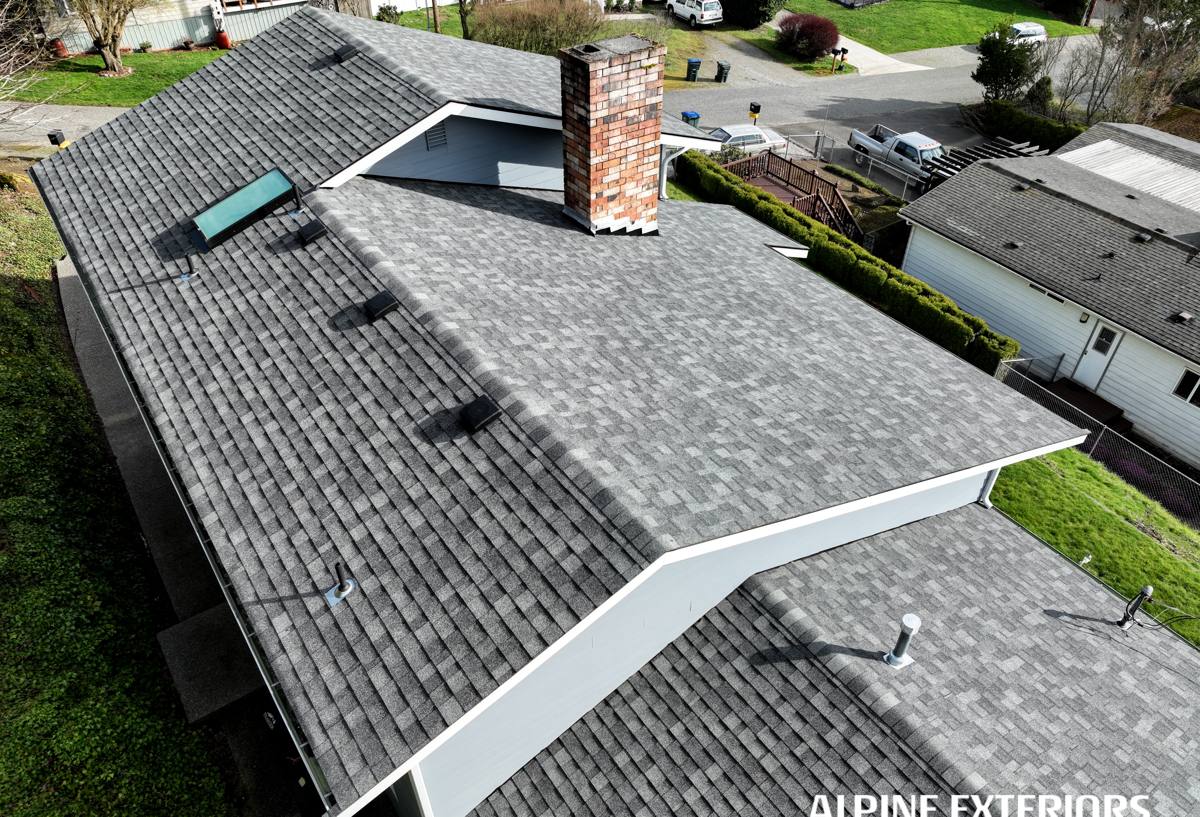
- Flashing failures around chimneys, skylights, and wall-to-roof transitions, where sealant has dried out under UV exposure
- Cracked or slipped tiles on tile roofs, often from foot traffic, debris impact, or age-related brittleness
- Nail pops and fastener corrosion from years of humidity and salt exposure, which telegraph through shingles as small raised bumps
- Soft or discolored decking found once a leak has been active for a while, usually around penetrations like vents and stacks
- Sealant and pipe boot failure, one of the most common sources of slow, hard-to-notice leaks in this climate
Some of these are obvious after a storm. Others show up gradually as a stain on a ceiling or a slightly discolored patch on the roof itself, long before there's an active drip inside the house.
What a Correct Roof Repair Actually Involves
A proper repair isn't just swapping out the shingle or tile that's obviously damaged. It requires:
1. Finding the Real Source, Not Just the Symptom
Water travels. A stain on a ceiling in one room can trace back to a flashing failure several feet away. We trace leaks back to their actual entry point before doing any repair work, because patching where the water shows up inside — instead of where it's getting in from outside — just delays the same problem.
2. Matching the Existing System, Not Just the Surface Material
Underlayment, fastening pattern, and flashing detail matter as much as the visible shingle or tile. A repair that looks right from the ground but skips proper underlayment tie-in or uses the wrong fastener type for this coastal air will fail quietly, from the inside, long before the surface shows it.
3. Checking the Decking Underneath
If a leak has been active for any length of time, the decking beneath the damaged area may be softened or compromised. Repairing over bad decking doesn't fix anything — it just gives the new materials nothing solid to hold onto.
4. Sealing and Flashing to Current Wind Standards
Given how much of our repair work follows wind events, we fasten and seal repairs to hold up against the same wind-driven rain and gusts that caused the original damage — not to the minimum needed to pass a quick visual check.
Our Roof Repair Process for Coachman Ridge Homes
- Inspection and diagnosis — we get on or safely examine the roof, trace the leak or damage to its actual source, and check surrounding areas for related wear
- Honest assessment — we tell you plainly whether this is a repair situation or one where repair would just be throwing money at a roof that's past the point of patching
- Clear scope and estimate — you know what's being repaired, why, and what it involves before any work starts
- Repair work — removal of damaged material, decking check and replacement if needed, correct underlayment and flashing tie-in, and matching shingle or tile installation
- Final check — we confirm the repair is sealed, fastened, and tied into the surrounding roof correctly, not just cosmetically complete
Repair or Replace? How We Help You Decide
Not every damaged roof needs a full replacement, and not every roof is a good candidate for another repair. Here's how we generally think about it:
| Situation | Repair usually makes sense | Replacement is usually the honest answer |
|---|---|---|
| Age of roof | Well within expected lifespan for its material | Nearing or past the end of its typical service life |
| Damage scope | Isolated to one area — a section of shingles, one flashing point, a few tiles | Spread across multiple areas or recurring in different spots each season |
| Decking condition | Solid, dry decking under the damaged area | Soft, stained, or delaminating decking in multiple spots |
| Storm history | First significant damage after normal wear | Repeated storm damage suggesting the whole system is compromised |
| Underlayment condition | Still intact and doing its job elsewhere on the roof | Widely dried out, cracked, or failing under UV exposure |
We'll tell you straight if a repair is the right call or if you'd be better served putting that money toward a section or full replacement instead. Our reputation in this neighborhood depends on giving that answer honestly, not on selling the bigger job.
Materials and Methods We Use in Repairs
We match repairs to what's already on your roof rather than pushing a different system into a patch job. That means asphalt shingle repairs use compatible shingle types and matching fastening patterns, tile repairs use appropriately matched tile profiles and correct underlayment beneath them, and flashing repairs use corrosion-resistant metal suited to salt air rather than the cheapest available stock. Sealants and adhesives are chosen for UV stability, since standard-grade sealant that works fine in milder climates can dry out and crack here within a season or two.
Where a repair involves underlayment, we favor synthetic underlayment over older felt products in most cases — it holds up better to the heat and humidity cycling typical of this area and gives the roof a more resilient layer if a future storm causes additional shingle or tile loss before a full re-roof is due.
Why a Crew That Already Works Coachman Ridge Matters
Roof repair is one of those jobs where local, hands-on experience actually changes the outcome. A crew that regularly works in this part of Clearwater already understands the roofing systems common to the neighborhood's homes, has a feel for how wind and rain move through this specific area during storms, and isn't learning on your roof how local construction differs from what they're used to elsewhere.
That familiarity also means faster, more accurate diagnosis. Instead of a generic checklist, we're looking for the specific failure points we've seen play out on similar roofs nearby — which shortens the time between "there's a leak" and "here's exactly what's wrong and what it takes to fix it."
Signs Your Coachman Ridge Roof Needs Repair Now
Waiting on a small roof problem in this climate almost always turns it into a bigger, more expensive one. Watch for:
- Missing, curled, or cracked shingles, especially after any windy weather
- Granules collecting in gutters or at downspout outlets
- Cracked, slipped, or displaced roof tiles
- Water stains on interior ceilings or upper walls
- Visible daylight through the attic decking or soffits
- Soft spots when walking the roof (for us to check — not something to test yourself)
- Rusted or lifted flashing around chimneys, vents, or skylights
- A musty smell in the attic, which often signals slow, ongoing moisture intrusion
Any one of these on its own might be minor. Several at once, or any of them after a storm, is worth having looked at before the next round of wind and rain finds the same weak spot.
Get a Free, No-Pressure Estimate
If you're noticing any of the signs above, or you just want a second opinion on damage from a recent storm, we're glad to take a look. Fill out the form below for a free estimate on roof repair in Coachman Ridge — no pressure, no upsell, just a straight answer about what your roof actually needs.