 Clearwater Roofing
 Siding Built for Countryside's Specific Exposure
Countryside sits inland from the immediate coastline compared to Clearwater Beach or the barrier islands, but that distance doesn't buy the neighborhood much protection. Pinellas County is a peninsula — salt-laden air moves across the whole county on prevailing winds, and every home here still sees the same wind-driven rain, intense year-round UV, and tropical storm activity that defines Gulf Coast exterior work. The difference in Countryside is mostly about age and mix: a lot of the housing stock here was built across several decades, so we see everything from older wood lap siding that's been patched for years to newer subdivisions with vinyl that's already chalking and warping in the sun. Whatever the starting point, the climate math is the same — siding on a Countryside home is doing real structural work, not just cosmetic work.
When we talk about siding in this area, we're talking about a material that has to survive humidity soaking into seams, UV breaking down pigments and plastics, and wind gusts trying to peel panels off the wall during named storms. That's the lens we use for every recommendation on this page.
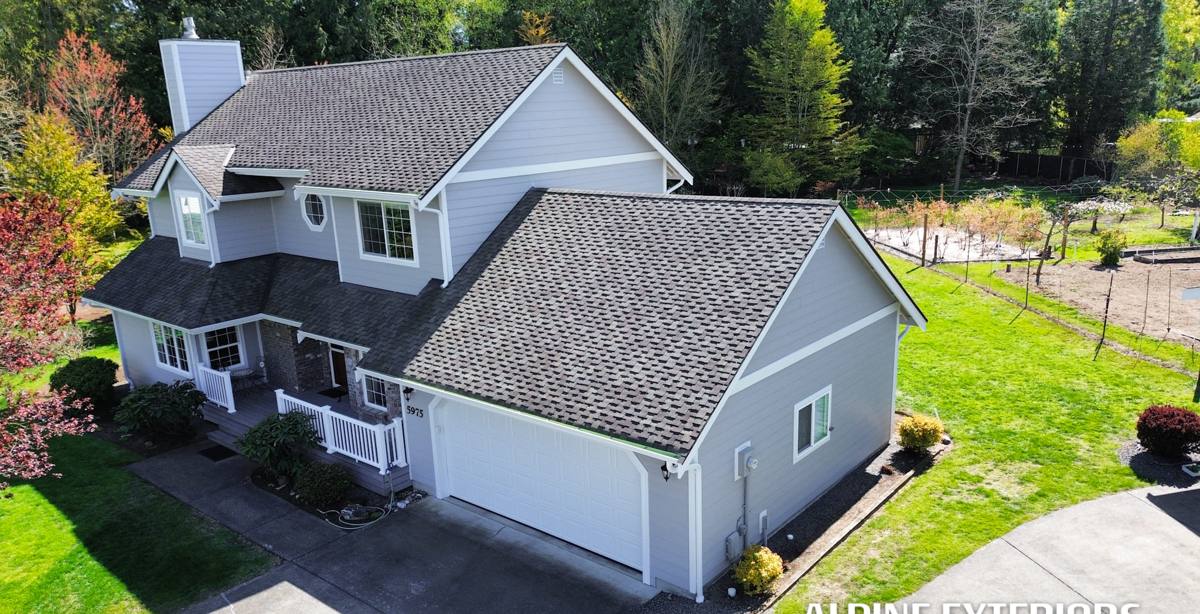
Why We Only Install James Hardie Fiber Cement
This is worth stating plainly: our crews do not install vinyl siding, LP SmartSide, Cemplank, Allura, or primed wood siding like spruce or cedar. We install James Hardie fiber cement exclusively, and that's a standard we hold to on every job, including here in Countryside. It's not that the alternatives are worthless products — vinyl is inexpensive and easy to source, engineered wood has genuine fans, and cedar has real curb appeal. But each of those materials carries a trade-off that shows up faster in a hot, humid, storm-exposed climate than it does somewhere drier and calmer.
Vinyl softens and can deform in direct summer heat, and it's a petroleum-based product that becomes brittle with UV exposure over years, which matters when Clearwater sees sustained high-UV months almost year-round. Engineered wood products rely on resin-treated wood strand technology that performs well when installed and maintained exactly to spec, but any breach in that outer seal — a missed caulk joint, a woodpecker hole, standing water at a butt joint — lets moisture into a wood-based core, and humidity here doesn't let a home dry out quickly. Primed cedar and spruce need an owner who will recoat and recaulk on a strict schedule, which is a real commitment most homeowners underestimate until the siding is already cupping or checking.
James Hardie fiber cement is cement, sand, and cellulose fiber — non-combustible, dimensionally stable, and manufactured with regional formulations (the HZ5 product line, engineered for humid climates) that account for exactly the conditions Pinellas County throws at a wall. It doesn't rot, it doesn't feed termites, and the factory-applied ColorPlus finish is baked on under conditions no field-applied paint job can replicate. That's why it's the only product we put our name behind.
What Correct Fiber Cement Installation Requires
Fiber cement is only as good as the installation underneath it. A rushed or undersized crew can turn a premium product into a problem in a few years, and this is where a lot of siding jobs — with any material — go wrong. Correct installation in a climate like ours involves several non-negotiables:
- A proper weather-resistive barrier installed and lapped correctly behind the siding, not just stapled on as an afterthought
- Rainscreen or drainage gap detailing where the wall assembly calls for it, so incidental moisture has somewhere to go instead of sitting against the sheathing
- Manufacturer-specified fastener patterns and fastener type — the wrong nail or improper spacing is one of the most common causes of early failure
- Correct minimum clearance from grade, roofing, decking, and other hardscape so the bottom edge of the siding never sits in standing water or splashback
- Factory-mitered or properly caulked joints at corners, window trim, and butt seams, using sealants rated for sustained UV and moisture exposure
- Panels installed within the manufacturer's specified gap tolerances to allow for thermal movement without buckling
Every one of these steps is invisible once the siding is up and the house looks finished. That's exactly why they matter — a homeowner can't inspect for a missing drainage gap after the fact without pulling siding back off the wall. It has to be done right the first time.
Why Hurricane and Wind Exposure Changes the Job
Countryside isn't a beachfront neighborhood, but it's still inside a hurricane-prone county, and wind load doesn't stop at the waterline. Fastener schedule and panel engagement matter more here than in a low-wind region — Hardie panels rated and installed to the correct wind zone specification are designed to stay engaged during sustained high winds and gusts, but that performance depends entirely on the fasteners being driven correctly and spaced to spec. A siding crew that treats fastening as a formality rather than an engineering requirement is building in a failure point that won't show up until the next major wind event.
Our Countryside Siding Process
We approach every siding job in this area the same structured way, whether it's a full re-side or a targeted repair section:
- On-site assessment. We walk the exterior, check the current siding and substrate condition, look for moisture damage or rot at penetrations, and identify any drainage or grading issues that would undermine new siding if left unaddressed.
- Product and color selection. We walk homeowners through the relevant James Hardie lines and ColorPlus finish options, factoring in HOA guidance where it applies and the home's sun exposure.
- Substrate prep. Any damaged sheathing, rot, or compromised flashing gets addressed before a single new panel goes up — covering a bad substrate with new siding just hides the problem.
- Weather barrier and drainage detailing. This is where most of the long-term performance is decided, and it's done to manufacturer spec, not shortcut.
- Installation. Panels, fasteners, and joint treatment all follow James Hardie's published installation guide for our climate and wind zone.
- Final walkthrough. We review the completed job with the homeowner, including care and maintenance expectations, before calling it done.
Why a Crew That Already Works This Area Matters
Local experience isn't a marketing line — it changes real decisions on the job. A crew that regularly works Clearwater and Pinellas County jobs already knows the typical age and construction of homes in neighborhoods like Countryside, which affects what's usually found once old siding comes off: outdated or missing weather barriers, undersized flashing at windows, or wood trim that's been slowly absorbing moisture for years. Knowing what's likely to be underneath means fewer surprises, faster accurate quoting, and a crew that isn't learning the region's failure patterns on your house.
It also means familiarity with local permitting and inspection expectations, and a crew that's accountable in the community they work in — not a traveling storm-chase outfit that's gone once the invoice clears.
Comparing Siding Materials for This Climate
| Material | Moisture Behavior in Humid Climate | UV/Heat Durability | Maintenance Burden |
|---|---|---|---|
| James Hardie Fiber Cement | Non-organic core, engineered HZ5 formulation for humid regions | Factory-baked ColorPlus finish resists fading | Low — no repainting cycle needed for the finish warranty period |
| Vinyl | Doesn't rot, but seams and J-channels can trap moisture | Can soften, warp, or fade under sustained heat and UV | Low upfront, but replacement (not repair) is often the only fix once damaged |
| Engineered Wood (e.g., LP SmartSide) | Wood-strand core vulnerable if the resin-treated seal is breached | Performs well when coating is maintained | Moderate — depends on strict caulk/paint maintenance schedule |
| Primed Cedar/Spruce | Natural wood, absorbs moisture without diligent sealing | Requires periodic refinishing to resist UV breakdown | High — regular recoating and caulk inspection required |
Cost Factors Homeowners Should Understand
We don't publish fixed pricing because every home is different, but the real cost drivers on a fiber cement siding project in this area are consistent:
| Factor | Why It Affects Cost |
|---|---|
| Substrate condition | Rot or moisture damage found during tear-off adds repair scope before new siding can go on |
| Home size and wall complexity | Cutouts, corners, dormers, and trim detail all add labor time |
| Siding profile and finish | Lap width, shake-style panels, and specific ColorPlus colors vary in material cost |
| Access and site conditions | Tight lot lines, landscaping, or multi-story sections affect staging and labor |
| Trim and accessory scope | Fascia, soffit, and trim board replacement alongside siding changes total project cost |
Signs Countryside Homeowners Should Watch For
- Soft or spongy spots when pressing on existing siding, especially near the bottom edge or window trim
- Visible warping, buckling, or gaps opening up at panel seams
- Paint that's peeling or bubbling in a pattern that follows seams or fastener lines, often a sign of moisture behind the material
- Chalky residue or noticeable color fade on sun-exposed elevations
- Increased pest activity around siding edges, which can indicate rot in wood-based products
- Rising energy bills that coincide with visibly aging or gapping siding
Any one of these on their own isn't necessarily an emergency, but they're worth having looked at before the next storm season stress-tests whatever's already compromised.
Get a Free, No-Pressure Estimate
If your Countryside home's siding is showing its age, or you're planning ahead of the next storm season, we're happy to take a look and give you an honest read on what your home actually needs. There's no obligation and no pressure — just a straightforward assessment from a crew that works this climate every day. Fill out the form below to request your free estimate.