 Clearwater Roofing
 Building Decks That Actually Hold Up in Seminole
Seminole sits close enough to the Gulf and Boca Ciega Bay that salt air, humidity, and intense sun are part of daily life for every outdoor structure in the area. A deck built the way it might be built inland doesn't last here. Fasteners corrode faster, wood moves more with humidity swings, and afternoon sun in Pinellas County beats down on exposed decking for most of the year. When we build a deck for a Seminole home, we're building for those specific conditions, not just following a generic plan.
This page covers what a deck built for this area actually needs, what our process looks like from first call to final walkthrough, and why hiring a crew that already works in Seminole regularly — rather than a contractor passing through — matters more here than in most parts of the country.
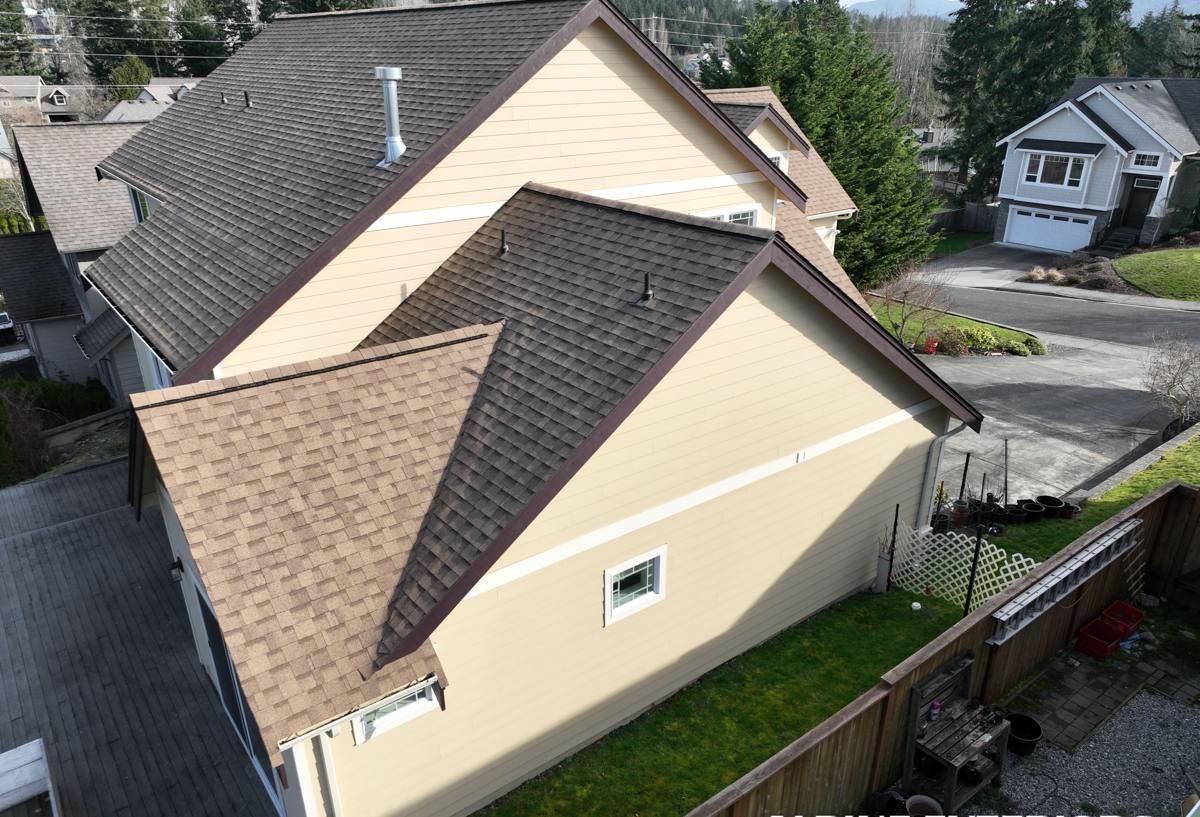
What Seminole's Climate Does to a Deck
Homeowners often ask why a deck that looked fine for the first year or two starts showing problems by year three or four. It almost always comes back to one or more of the same regional stressors.
Salt Air and Corrosion
Even homes that aren't waterfront get salt-laden air moving through Seminole from the Gulf and the bay. Standard hardware and lower-grade fasteners corrode faster in this environment, and corroding fasteners are one of the leading causes of deck failures we see — not rotten wood, but rusted-out connectors that were never rated for coastal exposure in the first place.
Year-Round UV Exposure
Florida sun is intense nearly twelve months a year. UV breaks down the surface fibers of wood decking and degrades composite capstock over time if the product wasn't manufactured with adequate UV inhibitors. This shows up as graying, splintering, or fading long before the structure itself is compromised.
Wind-Driven Rain and Moisture Cycling
Pinellas County gets heavy, wind-driven rain during summer storms and the hurricane season. Water gets pushed sideways into joints, ledger connections, and end grain that a calm, straight-down rain would never reach. Decks here go through constant wet-dry cycling, which is much harder on wood movement and fastener connections than a steady, dry climate.
Hurricane-Force Wind Loads
A deck attached to the house, or a freestanding structure, needs to handle real wind uplift and lateral load, not just the weight of people and furniture. Ledger attachment, post connections, and railing anchoring all need to account for storm-force wind, not just everyday use.
What a Correctly Built Deck Includes Here
A deck that's actually built for Seminole's conditions looks different in the details than one built for a milder climate, even if the overall design looks similar from a distance.
- Stainless steel or coated coastal-grade fasteners and hardware, not standard galvanized hardware that corrodes faster in salt air
- Proper ledger board flashing and waterproofing where the deck attaches to the house, to stop wind-driven rain from reaching the rim joist
- Post-to-footing and post-to-beam connections engineered for uplift, not just vertical load
- Decking material chosen for UV stability and moisture behavior, not just upfront appearance
- Proper spacing and airflow beneath the deck so trapped moisture doesn't sit against structural members
- Footings sized and set to local frost-free, load-bearing standards for Pinellas County soil conditions
- Railing and stair connections that meet current code for both structural load and guard height
Skipping any one of these doesn't necessarily show up on day one. It shows up two or three years later as loose railings, rust streaks around fasteners, soft spots near the ledger, or a deck that feels less solid underfoot than it did when it was new.
Choosing Decking Material for This Environment
There's no single "best" decking material for every home — it depends on budget, maintenance tolerance, and how the space will be used. What matters is picking with the local climate in mind rather than by looks alone.
| Material | How It Handles Salt Air & UV | Maintenance | General Cost Position |
|---|---|---|---|
| Pressure-treated pine | Needs sealing/staining on a regular schedule to resist UV graying and moisture damage | Higher — periodic sealing and inspection | Lowest upfront cost |
| Composite decking | Good UV and moisture resistance when the product has real UV-stabilized capstock; quality varies by manufacturer | Low — occasional washing | Mid to upper range |
| Tropical hardwoods (e.g., ipe-type species) | Naturally dense and rot-resistant, but still grays under constant UV without oiling | Moderate — periodic oiling for color retention | Higher upfront cost |
| PVC decking | Excellent moisture resistance; UV performance depends on product quality | Low | Upper range |
We'll walk through these trade-offs honestly during your estimate — including where a cheaper material might genuinely be the right call for a lower-use deck, and where spending more upfront saves money in maintenance and replacement over the life of the deck.
Our Process, Start to Finish
1. On-Site Assessment
We look at the specific spot on your property — sun exposure, drainage, proximity to the coast, existing structure if it's a replacement, and how you actually want to use the space (entertaining, grilling, quiet sitting area, pool deck, and so on).
2. Design and Material Selection
We talk through layout, decking material, railing style, and any code requirements for your specific lot, then put together a plan and honest cost estimate before any work begins.
3. Permitting
Deck construction in Pinellas County generally requires a permit and inspection. We handle that process as part of the job so you're not left chasing paperwork or worrying about whether the structure is properly documented for future insurance or resale purposes.
4. Footings and Framing
This is where a deck's long-term durability is really decided. Footing depth, post connections, and ledger attachment all get built to handle both everyday use and the wind and moisture loads specific to this area.
5. Decking, Railing, and Finish Work
Once the frame is inspected and approved, we install the decking surface, railings, and any stairs, then do a final check of every connection point before calling the job complete.
6. Final Walkthrough
We walk the finished deck with you, point out anything you should know about maintenance for the material you chose, and answer any questions before we consider the job done.
Repair, Replace, or Rebuild?
Not every deck problem means starting over. Sometimes a ledger connection needs to be redone, or a section of railing has failed while the rest of the structure is sound. Other times, especially on older decks that were never built with coastal-grade hardware, a full rebuild is the more honest recommendation because patching individual problems would just mean revisiting the same deck every year or two.
We'll tell you plainly which situation you're in. If a repair genuinely solves the problem, that's what we'll recommend — a bigger job isn't a better outcome for you if it isn't the right one.
Signs Your Current Deck Needs Attention
- Rust streaks running down from screws, bolts, or connectors
- Boards that feel spongy, springy, or noticeably different underfoot than the rest of the deck
- Railings or posts that wiggle or flex when pushed
- Visible gaps or separation where the deck meets the house
- Graying, splintering, or cracking across large sections of decking
- Standing water or slow drainage on or under the deck after rain
If any of these sound familiar, it's worth having someone look at the structure before the next storm season rather than after a problem shows up during one.
Why a Local Seminole Crew Matters
A contractor who regularly works in and around Seminole and Clearwater already knows what Pinellas County inspectors look for, understands how salt air and storm exposure behave on this side of the county, and isn't guessing at material choices based on a climate zone that doesn't match yours. That familiarity shortens the permitting process, reduces surprises during inspection, and means the hardware and detailing choices are based on what actually holds up here, not on a national average.
It also means accountability. A crew that plans to keep working in this community has every reason to build something that's still solid in five or ten years, because that's the reputation that keeps the phone ringing.
Get a Free, No-Pressure Estimate
If you're planning a new deck for your Seminole home, or you have an existing one that's showing signs of wear from the sun, salt air, or storm season, we're happy to take a look and give you an honest assessment. Fill out the form below for a free estimate — no pressure, no obligation, just a straight answer about what your deck needs.