 Clearwater Roofing
 Building a Deck That Actually Holds Up in Del Oro
Del Oro is a quiet, established pocket of Clearwater, and like most of Pinellas County, the outdoor living season here runs almost year-round. That's exactly why a deck in this neighborhood has to work harder than a deck built somewhere with a real winter. Between hurricane-force wind events, near-constant UV exposure, wind-driven rain, and salt-laden air rolling in off the Gulf, a deck that isn't built and finished correctly for this specific climate will show its age fast — cupped boards, rusted hardware, loose railings, and fading within a couple of seasons instead of a couple of decades.
We build custom decks for homeowners throughout Clearwater and Pinellas County, and Del Oro's mix of established single-family homes means we're usually working around mature landscaping, existing patios or pool cages, and lot layouts that were platted long before composite decking or code-required hurricane connectors existed. That combination — older homes, modern materials, and Florida's climate — is the whole design problem, and it's what this page is about.
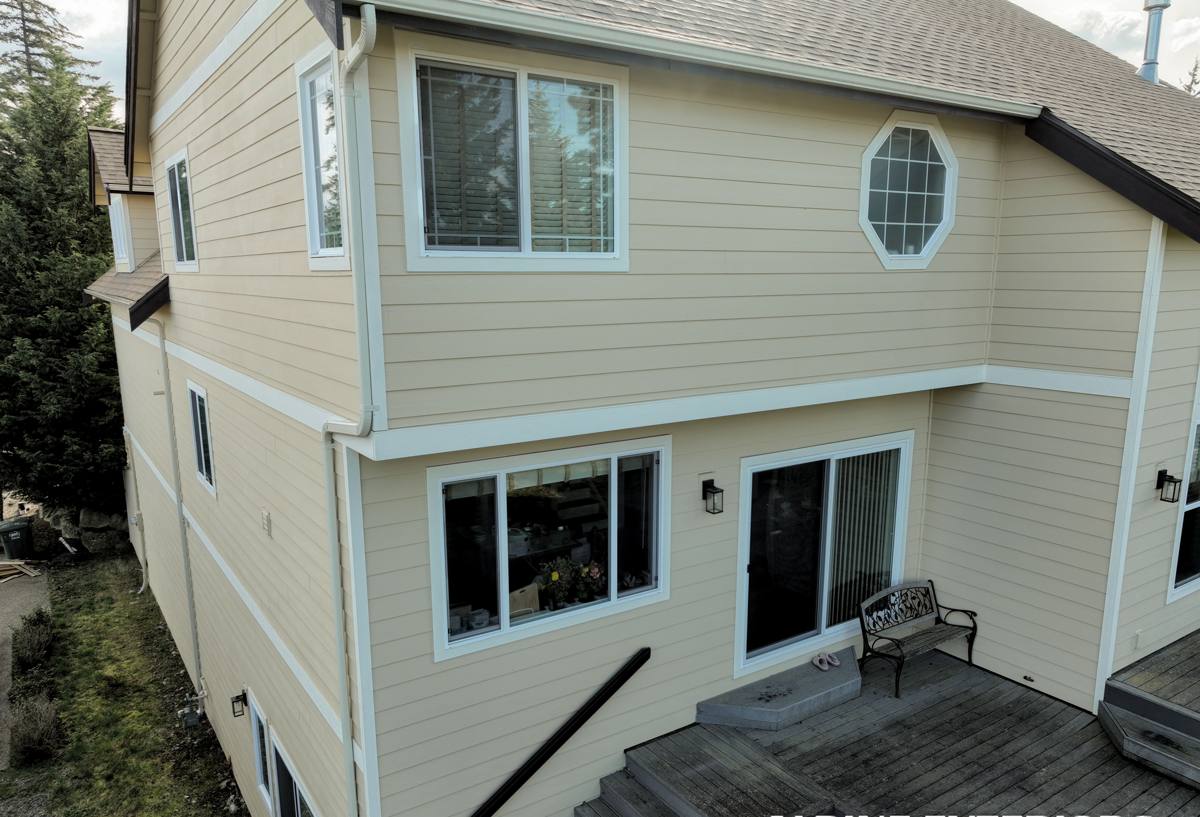
What Del Oro Homes Actually Need From a Deck
Every deck we build in this neighborhood has to answer the same three questions before a single board goes down: how will it handle wind, how will it handle water, and how will it handle sun. Skip any one of those and the deck will fail early, no matter how good it looks the day it's finished.
Wind
Pinellas County sits in a high-velocity hurricane zone, which means deck framing here is held to a higher standard than framing in most of the country. Ledger attachments, post connections, and railing systems all need hardware and fastening schedules rated for uplift and lateral loads, not just gravity. This isn't optional detailing — it's the difference between a deck that rides out a tropical storm and one that doesn't.
Water
Florida's wind-driven rain finds its way into places vertical rain never would — under flashing, behind ledger boards, into end grain. Every connection point where the deck meets the house is a potential entry point for water, and once moisture gets trapped against a house band board, rot spreads before anyone notices from the outside.
Sun and Salt
Del Oro isn't oceanfront, but it's close enough to the Gulf that salt air still accelerates corrosion on fasteners, brackets, and railing hardware. Combine that with intense, near-daily UV exposure and you get two failure modes at once: metal that rusts faster than it should, and wood or composite surfaces that fade, chalk, or become brittle years ahead of schedule if the wrong material or finish was used.
Choosing the Right Decking Material for This Climate
There's no single "best" decking material — there's a best material for your budget, your maintenance tolerance, and how much direct sun the deck gets. Here's how the common options actually perform in a Clearwater backyard.
| Material | Upfront Cost | Maintenance | Florida Climate Notes |
|---|---|---|---|
| Pressure-treated pine | Lowest | High — annual sealing recommended | Affordable and strong, but needs consistent sealing to resist UV graying, cupping, and moisture cycling. Skip a year of maintenance and it shows. |
| Composite decking | Mid to high | Low — periodic cleaning | Resists rot and doesn't need sealing, but quality varies widely by brand. Lower-grade composites can fade or get noticeably hot underfoot in full sun. |
| PVC / capped polymer | Highest | Lowest | Fully moisture-proof core, best UV and fade resistance of the manufactured options. Best fit for decks near pools, water features, or with heavy sun exposure. |
| Tropical hardwoods | High | Moderate to high | Naturally dense and rot-resistant, but still needs oiling to hold color and requires more careful fastening due to hardness. |
For most Del Oro homes we recommend composite or capped polymer boards on decks that get long afternoon sun exposure, and we're selective about which composite lines we install — not every product on the market handles Florida's UV and humidity combination equally well. We'll walk through the real trade-offs for your specific yard rather than pushing whatever's easiest to install.
Structural Details That Matter Here
A deck is only as good as what you can't see once it's finished. In Pinellas County, that means:
- Hot-dip galvanized or stainless fasteners and brackets — standard zinc-coated hardware corrodes too fast in salt-influenced coastal air
- Proper ledger flashing where the deck attaches to the house, so wind-driven rain can't work its way behind the band board
- Footings sized and set to local frost-free, high-wind requirements — not generic national defaults
- Post-to-beam and beam-to-joist connections rated for uplift, not just vertical load
- Railing systems engineered to meet Florida Building Code lateral load requirements, especially on raised decks
- Ventilated framing gaps so trapped moisture underneath the deck has somewhere to go
These details rarely show up in a sales conversation, but they're the reason one deck survives a decade of Florida storms and another needs a rebuild in five years.
Permits and Code in Pinellas County
Most custom decks in Clearwater require a building permit, and inspections typically cover footing depth, framing connections, and railing height and spacing before the deck is closed in or a final is issued. If your lot is close to a setback line or your home is in a flood zone overlay, that can affect footing design or elevation requirements as well. We pull permits and coordinate inspections as part of the build — it's not an add-on, it's how the job gets done correctly and how your homeowner's insurance and any future home sale stay clean.
Design Choices That Fit Del Oro Properties
Del Oro's lots tend to have established trees and landscaping, which shapes deck design in a few practical ways. Shade from mature trees can reduce how much direct UV a deck surface takes, which opens up material options that might not hold up as well on a fully exposed lot. On the flip side, tree cover means more organic debris — leaves, pollen, seed pods — landing on the deck surface, so drainage gaps between boards and airflow underneath matter more, not less.
We also design around how the deck connects to the rest of the yard: stairs and grading that account for Florida's heavy summer downpours, railing styles that don't trap water or debris, and layouts that leave room for shade structures or pergolas if full afternoon sun turns out to be more than you want to sit in every day.
Our Process, Start to Finish
- Free on-site estimate. We walk your property, look at drainage patterns, sun exposure, and how the deck will tie into your home, and talk through material options honestly — including what we wouldn't recommend for your specific setup.
- Design and proposal. You get a clear scope, material selection, and pricing before anything is signed — no vague allowances that turn into change orders later.
- Permitting. We handle the permit application and schedule required inspections with Pinellas County or the City of Clearwater as applicable.
- Framing and structural work. This is where the wind- and moisture-resistant details get built in — ledger flashing, corrosion-resistant hardware, proper footings.
- Decking, railing, and finish work. Surface material goes down, railings are installed to code, and every connection is checked before final inspection.
- Final walkthrough. We go over care and maintenance specific to whatever material you chose, so you know what upkeep actually looks like here.
Maintaining a Deck in a Florida Climate
Even low-maintenance materials need some attention in this climate. Composite and PVC decking generally just need periodic washing to clear pollen, mildew, and salt residue. Wood decking needs a real sealing schedule — skipping it is the single most common reason wood decks fail early here. Metal hardware, railings, and fasteners are worth a visual check each year, especially after hurricane season, since that's when corrosion and loosened connections tend to show up first.
Why Hiring a Crew That Already Works in Del Oro Matters
A contractor who builds decks across Pinellas County day in and day out already knows which fastener grades hold up near the coast, which composite lines actually perform in Florida sun instead of just looking good in a showroom, and what Clearwater's permitting office expects on a plan submission. That local track record means fewer surprises during inspection, fewer callbacks for premature wear, and a deck that's designed for the storms and sun your specific property will actually see — not generic conditions from a manufacturer's spec sheet written for a different climate.
If you're planning a new deck or replacing one that's showing its age in Del Oro, we're happy to come take a look and give you an honest, no-pressure estimate — just fill out the form below.