 Clearwater Roofing
 Deck Repair for Del Oro: Why Local Conditions Change the Job
Homes in Del Oro sit within the same stretch of Pinellas County that takes the brunt of everything the Gulf throws at Clearwater — hurricane-force wind gusts during storm season, wind-driven rain that finds its way into every gap and seam, salt-laden air that corrodes hardware faster than most homeowners expect, and UV exposure that runs nearly year-round rather than seasonal. A deck in this area doesn't fail the way a deck in a drier, cooler climate does. It fails from the inside out, at the fasteners, the ledger board, and the framing connections, long before the surface boards look bad enough to worry about.
That's the core problem with treating deck repair as a cosmetic job. A deck that looks fine from the yard can still have a compromised ledger connection or corroded joist hangers underneath. Repairing a Del Oro deck correctly means understanding how coastal Clearwater conditions attack a structure, and inspecting for that damage specifically, not just replacing whatever board is visibly cracked or gray.
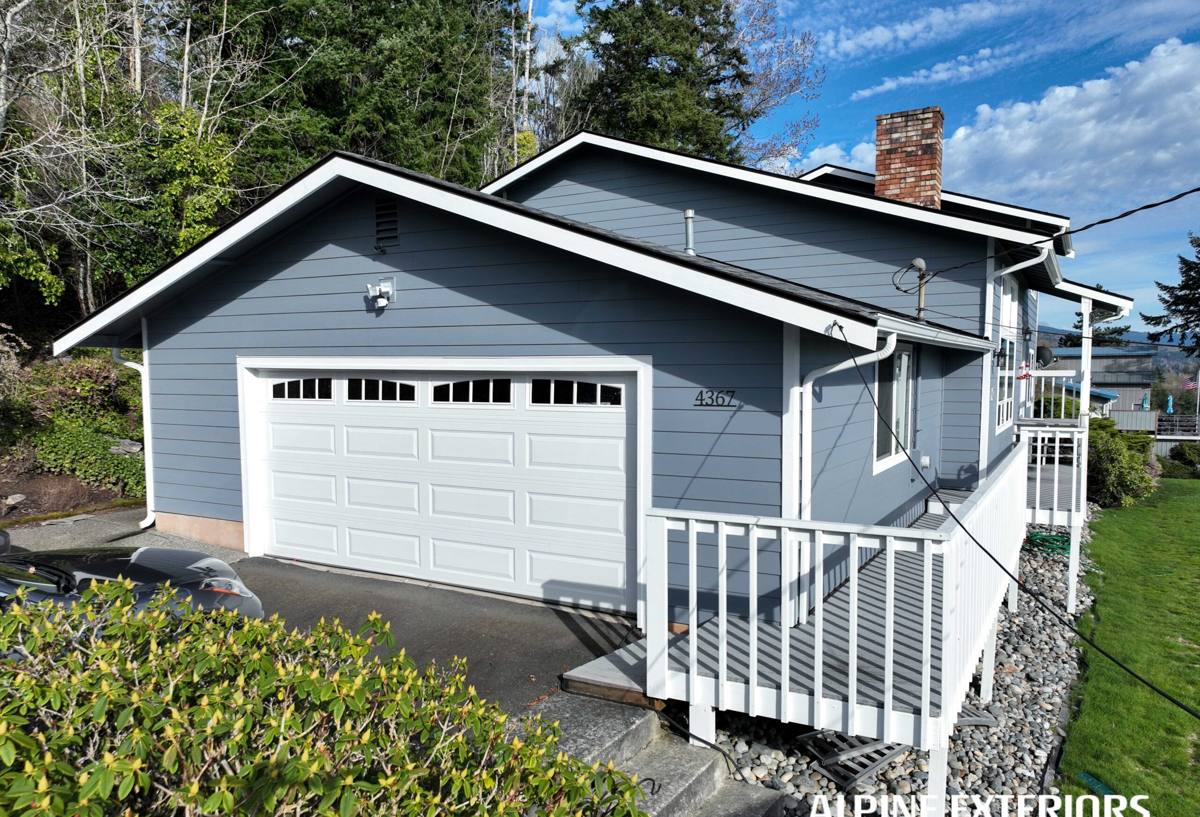
Signs Your Del Oro Deck Needs More Than Cosmetic Work
Some warning signs are obvious. Others are easy to miss until they become expensive. Homeowners in this area should watch for both.
- Soft or spongy spots underfoot, especially near the house connection or stair landings — usually a sign of moisture intrusion into the framing.
- Rust streaks below fasteners or hardware — salt air accelerates corrosion on standard fasteners far faster than inland installations.
- Gaps or separation where the deck meets the house (the ledger board) — this connection takes the most structural load and the most water exposure.
- Railings that flex or wobble — a life-safety issue, not just an inconvenience, and often a sign post connections have loosened or rotted.
- Graying, splintering, or checking on the board surface — mostly a UV and weathering issue, but worth addressing before it lets water further into the wood.
- Popped or backed-out fasteners across the deck field — a sign the original fastening schedule wasn't built for this climate's wet-dry-heat cycling.
If you're seeing more than one of these at once, it's worth having someone look at the structure underneath, not just the walking surface.
What a Correct Deck Repair Actually Involves
Structural Inspection First
Before any board gets pulled or replaced, a proper repair starts underneath the deck. That means checking the ledger board attachment to the house, the condition of the joists and beams, post bases for rot or corrosion, and the footings for movement or settling. In Clearwater's humidity and salt exposure, framing can look sound on the surface and still be compromised at connection points where moisture collects and doesn't fully dry out between rain events.
Fastener and Hardware Standards
This is where a lot of repair work in coastal areas falls short. Standard fasteners and connectors corrode quickly in salt air, which is exactly why we hold to stainless steel or coated, coastal-rated hardware as our standard for anything structural — hangers, ledger bolts, and screws. It costs more up front than generic hardware, but it's the difference between a repair that lasts and one you're paying for again in a few seasons.
Board Replacement Done Right
Whether the decking is wood or composite, replacement boards need to match the expansion and contraction behavior of what's already there, and fastening needs to account for Florida's heat cycling — boards that are installed too tight in cooler months can buckle once summer heat expands them, and boards installed too loose can gap and become trip hazards.
Railings and Stairs
Because these are the components most tied to safety, we treat railing and stair repairs as structural work, not cosmetic patching. Loose posts get re-anchored properly, not just tightened, and any wood showing rot at the base gets replaced rather than reinforced around.
Repair or Replace? What Actually Drives the Decision
Not every deck problem calls for a full rebuild, and not every deck is worth patching. The honest answer depends on where the damage is and how much of the structure it touches.
| Factor | Usually Points to Repair | Usually Points to Replacement |
|---|---|---|
| Ledger board condition | Solid, no rot or separation | Rotted, pulling away, or improperly flashed |
| Framing (joists/beams) | Isolated soft spots, mostly sound overall | Widespread soft or rotted framing |
| Surface boards | Scattered cracked or worn boards | Majority of boards failing or cupping |
| Hardware/fasteners | Some corrosion, connectors otherwise intact | Corroded connectors, missing or failed hangers |
| Age of structure | Under roughly 12–15 years, built to code | Older, unpermitted, or undersized for current use |
We'll tell you honestly which side of that line your deck falls on. A deck with isolated, addressable issues doesn't need to be torn out, and we're not going to recommend replacement just because it's a bigger job.
Material Considerations for a Salt-Air, High-UV Climate
Del Oro homeowners generally choose between pressure-treated wood and composite decking for repairs and replacement boards, and each comes with real trade-offs in this climate rather than a clear winner.
Pressure-treated wood costs less upfront and is easy to source and match to existing decking, but it needs consistent sealing or staining to hold up against year-round UV and wind-driven rain — skip that maintenance in this climate and you'll see graying, splintering, and moisture intake much sooner than in a milder climate. Composite decking resists UV fading and moisture absorption better and needs far less upkeep, but it costs more initially, and not all composite products handle Florida heat the same way — some can get noticeably hot underfoot and a few older composite formulations are more prone to moisture retention at fastener points than current-generation boards, which is a maintenance and warranty consideration worth discussing before you choose a product.
Whichever material you choose, the framing and fastener standards underneath it matter more than the surface material for long-term durability in this climate.
Our Deck Repair Process
- On-site inspection — we check the structure from the ground up, not just the walking surface, including ledger, framing, posts, footings, and hardware.
- Honest scope and estimate — you get a clear breakdown of what needs repair versus what's optional, with reasoning you can follow.
- Repair work — structural issues are addressed first, then decking, railings, and stairs, using coastal-rated fasteners and hardware throughout.
- Final walkthrough — we check the deck is solid underfoot, railings are secure, and everything meets code before we consider the job done.
We don't upsell repairs a deck doesn't need, and we don't patch around a structural problem to save time. If a ledger connection or a section of framing is compromised, that gets fixed properly, because it's the part of the deck that actually keeps everyone safe.
Why It Matters to Hire a Crew That Already Works in Del Oro
Deck repair standards that work in a drier, inland climate don't hold up the same way in coastal Pinellas County. A crew that regularly works in and around Del Oro and greater Clearwater already knows which fastener grades actually last against salt air, how local permitting and inspection expectations apply to deck work, and what kind of storm exposure a deck in this area needs to be built to withstand. That local familiarity means fewer surprises during inspection, a more accurate first estimate, and repair work that's built for the conditions it will actually face — not generic advice pulled from a different climate.
After the Repair: Keeping It Solid Long-Term
A good repair job holds up longer when it's paired with basic upkeep. In this climate, that upkeep matters more than in most.
- Rinse off salt residue and debris periodically, especially after storms.
- Reseal or restain wood decking on a regular schedule — UV exposure here is more constant than seasonal.
- Check railings and stair connections for movement at least once or twice a year.
- Look underneath the deck occasionally for early signs of rust or moisture at fastener points.
- Keep gutters and drainage near the deck clear so water isn't pooling against the structure.
None of this requires special tools or expertise — it just needs to actually happen on a schedule, which is often the difference between a deck that lasts and one that needs premature repair.
If your Del Oro deck has soft spots, loose railings, corroded hardware, or you're just not sure what shape it's in underneath, we're happy to take a look. Request a free, no-pressure estimate using the form below and we'll give you an honest read on what it needs.