 Clearwater Roofing
 Metal Roofing Built for the Way Del Oro Actually Gets Weather
Homes in and around Del Oro sit close enough to the Gulf that the roof takes a different kind of beating than a house twenty miles inland. It's not just one thing — it's the combination. Salt-laden air corrodes metal that isn't properly coated or fastened. Intense, near-constant Florida sun breaks down sealants and coatings faster than manufacturer literature always suggests. Wind-driven rain finds every gap in flashing during a fast-moving summer storm. And when a hurricane or tropical system pushes through Pinellas County, the roof is the single largest surface on the house exposed to uplift forces. A metal roof done right handles all of that for decades. A metal roof done wrong — wrong fastener, wrong underlayment, wrong panel for the exposure — can fail in ways that aren't obvious until the first real storm tests it.
This page is about metal roofing specifically for homes in the Del Oro area, not a general overview of metal roofing everywhere. The climate here narrows the list of good decisions and widens the cost of bad ones, so it's worth understanding what actually matters before you sign a contract.
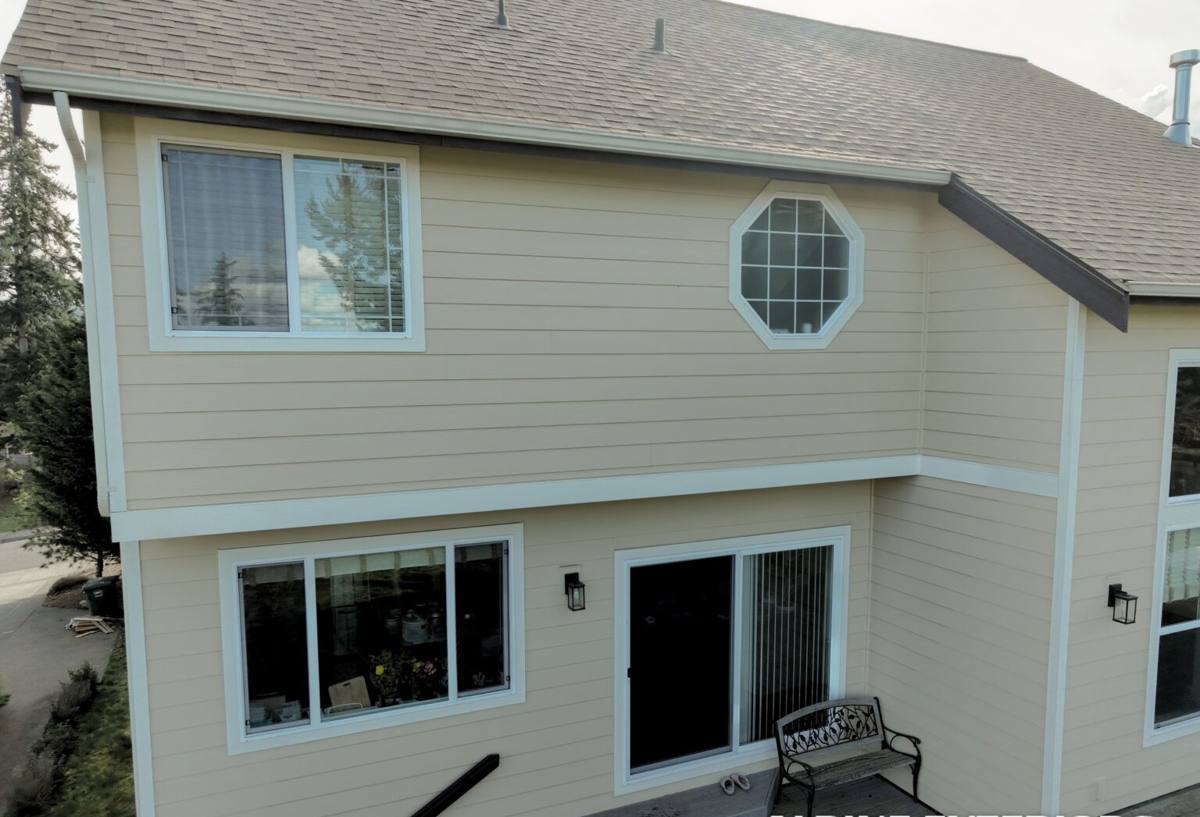
What Clearwater's Climate Does to a Roof Over Time
Every roofing material ages, but coastal Pinellas County ages roofs on a faster clock than most of the country. A few specific stresses matter most for metal:
- Hurricane-force wind: Uplift at panel edges and around penetrations is where most storm-related metal roof failures start, not in the field of the roof.
- Year-round UV exposure: Florida sun degrades unprotected fasteners, sealants, and lower-grade paint finishes faster than in northern climates.
- Wind-driven rain: Rain that's being pushed sideways during a storm will find any flashing detail that was installed for looks instead of water management.
- Salt air: Even a few miles from the water, airborne salt accelerates corrosion on fasteners, cut edges, and any metal without the right coating.
None of this means metal roofing is a bad choice for Del Oro — the opposite. Metal, installed correctly, is one of the best-performing materials against exactly these conditions. But "installed correctly" is doing a lot of work in that sentence, and it's where a lot of roofs in this area go wrong.
Choosing the Right Metal System for Your Home
Not all metal roofing is the same product wearing different colors. The panel type, the metal itself, and the coating all change how the roof performs against wind and salt.
Standing Seam vs. Exposed Fastener Panels
Standing seam panels use concealed clips and interlocking seams instead of exposed screws through the panel face. That matters here because every exposed fastener is a future maintenance point and a potential leak path once its washer starts to break down under UV exposure. Exposed fastener (screw-down) panels cost less up front and can be a reasonable choice on secondary structures, but on a primary residence in a wind-exposed, salt-air environment, standing seam is generally the sounder long-term investment.
Metal Type and Coating
Aluminum resists salt-air corrosion better than uncoated or lower-grade steel, which is a real consideration for homes closer to the water. Steel panels can still be a good choice when they carry the right protective coating system, but the coating specification is not optional in this environment — it's the difference between a roof that looks the same in year fifteen and one that's showing rust streaks in year five.
| Panel Type | Fastening | Best Fit | Trade-Off |
|---|---|---|---|
| Standing seam | Concealed clips | Primary homes, full wind exposure | Higher material and labor cost |
| Exposed fastener | Screws through panel | Secondary structures, budget projects | Fasteners need periodic inspection/replacement |
| Aluminum | — | Homes closest to the water | Softer metal, needs careful handling |
| Coated steel | — | Homes with moderate coastal exposure | Coating quality matters more than with aluminum |
What a Correct Metal Roof Installation Actually Involves
A metal roof is only as good as what's underneath it and how the details are executed. The panels get the attention; the underlayment, fastening pattern, and flashing are what actually keep water and wind out.
- Deck inspection and repair before anything goes down — old or soft decking undermines everything installed on top of it
- A high-temperature, self-adhering underlayment suited to Florida roof temperatures, not a generic felt product
- Fastener spacing and clip selection matched to the home's actual wind exposure, not a one-size pattern
- Properly formed and sealed flashing at every valley, wall transition, and penetration — this is where most leaks originate
- Edge metal and drip edge detailing rated for wind uplift, not just nailed on for appearance
- Ventilation checked and corrected as needed, since trapped heat and moisture shorten the life of any roof system
Skipping or rushing any one of these doesn't show up on day one. It shows up during the next big storm or a few summers of UV exposure, which is exactly why the installation details matter more than the panel brand.
How Our Process Works
We start with an on-site inspection, not a phone-quote guess. That includes checking the deck condition, the current flashing details, attic ventilation, and the home's specific wind exposure — a home closer to open water gets treated differently than one further inland, even within the same neighborhood. From there we walk through panel and metal options with honest trade-offs, not a push toward whichever product carries the best margin. Once a system is chosen, we handle permitting through Pinellas County and the City of Clearwater as required, protect the property during tear-off and install, and finish with a walkthrough so you understand what was done and why. We don't consider the job finished until the flashing, fastening, and edge details have all been checked — not just the panels laid.
Wind Ratings, Codes, and Permits in Pinellas County
Roofing in this part of Florida is governed by wind-load requirements that exist specifically because hurricane-force winds are a realistic scenario here, not a rare edge case. A correctly permitted metal roof installation accounts for your home's exposure category and the wind speed rating required for the area, which affects fastener spacing, clip type, and edge metal specification. This isn't paperwork for its own sake — it's the difference between a roof engineered to stay attached in a storm and one that simply looks finished. Any legitimate metal roofing project in Del Oro should be pulled under permit and inspected accordingly.
What Affects the Cost of a Metal Roof in Del Oro
Metal roofing costs more up front than asphalt shingles, and the final number depends on more than square footage. Below are the main factors that move the price on a typical Del Oro home, in broad terms rather than a fixed quote — every roof is different, and the only accurate number comes from an on-site look.
| Factor | Why It Matters |
|---|---|
| Panel type | Standing seam runs higher than exposed-fastener panels due to material and labor |
| Roof complexity | Valleys, dormers, and multiple roof planes add flashing labor and material |
| Deck condition | Rotted or soft decking requires repair before installation can proceed |
| Metal and coating grade | Higher-grade coatings cost more but last longer in salt air |
| Ventilation and accessory work | Correcting attic ventilation during the reroof adds cost but protects the investment |
Be cautious of any quote that's dramatically below others for the same panel type — it usually means something in the underlayment, fastening, or flashing spec has been cut to hit that number.
Maintenance and What to Watch For
A well-installed metal roof in this climate is low-maintenance, not no-maintenance. After major storms, it's worth a visual check for lifted panels, damaged flashing, or debris caught in valleys. Salt air means fastener heads and cut edges are worth an occasional look, particularly on homes closer to open water. Sealant at penetrations — vents, stacks, and any roof-mounted equipment — has a service life and should be checked periodically rather than assumed permanent. None of this is difficult, but skipping it is how a small, cheap fix turns into a larger repair a few years down the line.
Why Hiring a Crew That Already Works in Del Oro Matters
A roofing crew that regularly works this specific area already knows the wind exposure differences between homes closer to the water and those further inland, knows which local permitting requirements apply, and has already seen how different panel and coating choices hold up here over time. That's not something a crew from outside the region picks up on the first job. For a roof that's meant to handle hurricane season, UV exposure, and salt air for the next few decades, that local track record is worth as much as the product spec sheet.
If you're weighing metal roofing for a home in Del Oro, we're happy to take a look and walk you through honest options for your specific roof — no pressure, no upsell script. Use the form below to request a free estimate.