 Clearwater Roofing
 Windows Built for Downtown Clearwater's Coastal Conditions
Downtown Clearwater sits close enough to the Gulf that salt air, humidity, and wind-driven rain are part of daily life for every home in the area, whether you're in one of the older bungalows near the waterfront or a newer build a few blocks inland. Windows here do more work than windows almost anywhere else in the country. They hold back hurricane-force wind loads, they take direct UV exposure nearly every day of the year, and they have to survive the slow corrosion that salt-laden air causes on hardware, frames, and fasteners. A window that's a good fit in Ohio or even inland Florida is often the wrong call two blocks from Clearwater Harbor.
Custom windows aren't about upgrading for looks, though that's a real benefit. They're about matching the product, the frame material, the glass package, and the installation method to what this specific stretch of Pinellas County actually throws at a house. That match is where most of the long-term performance — and most of the problems when it's skipped — comes from.
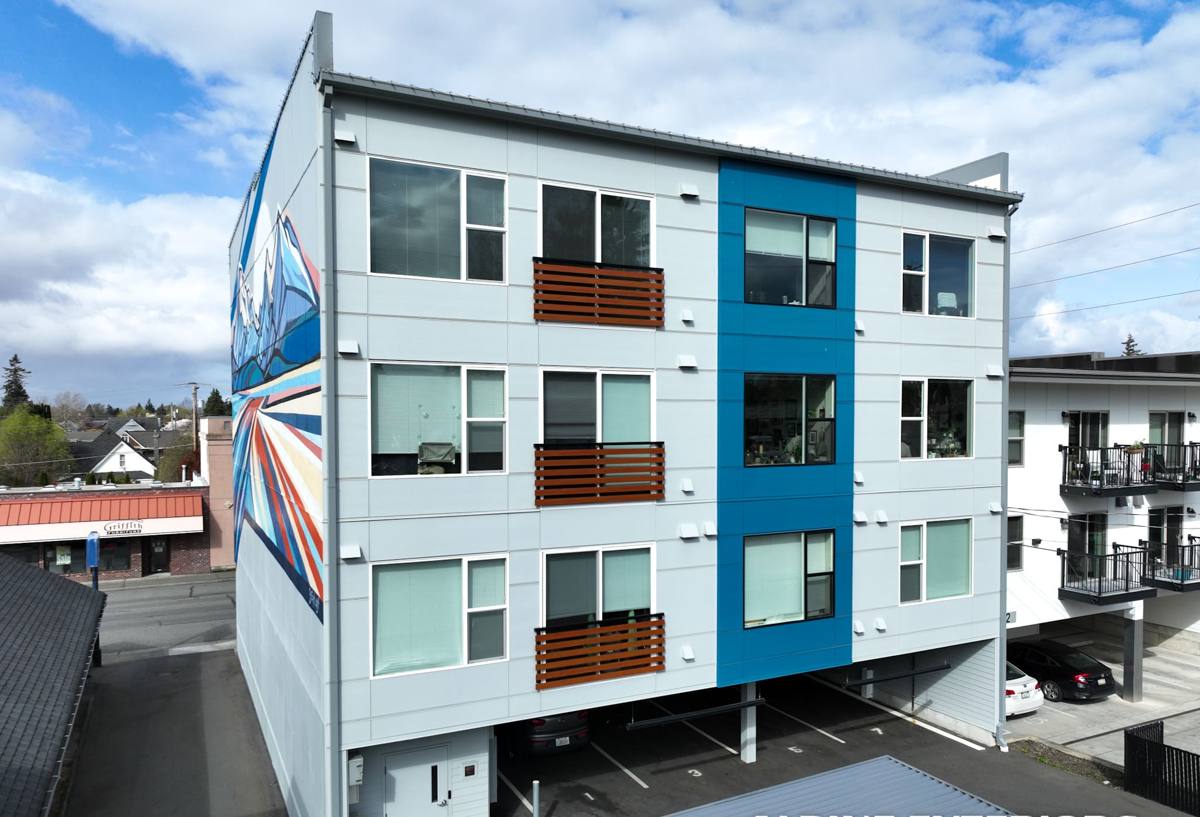
What Downtown Clearwater Homes Are Up Against
Wind and Storm Pressure
Clearwater falls within Florida's High-Velocity Hurricane Zone influence area, and even outside the strictest HVHZ boundaries, Pinellas County building code requires windows rated for significant wind pressure and, in most cases, windborne debris impact. During a storm, wind doesn't just push on a window — it creates suction on the leeward side of the house that can pull a poorly installed unit right out of its opening. The frame, the anchoring, and the glass all have to work together as a system.
UV and Heat
Central Florida sun is intense and constant. Standard glass and lower-grade vinyl frames break down faster here than in almost any other climate zone in the continental U.S. UV exposure fades interior furnishings, degrades seals, and can cause cheaper frame materials to warp or discolor within a few years.
Salt Air and Corrosion
Being close to the water means airborne salt settles on everything, including window hardware, screens, and frame fasteners. Standard steel hardware corrodes quickly in this environment. It has to be marine-grade or otherwise corrosion-resistant, or you'll be dealing with stuck locks and rusted screens within a few seasons.
Wind-Driven Rain
Clearwater storms don't just bring rain straight down — wind pushes water sideways and upward into gaps that would never leak in a calmer climate. Flashing, sill pans, and sealant details matter as much as the window unit itself.
What "Correct" Looks Like for a Downtown Clearwater Window Job
A properly done custom window installation in this neighborhood covers several things at once, not just the window itself:
- Impact-rated or code-compliant wind-load glass matched to the home's specific wind zone requirements
- Frame material chosen for this climate — vinyl, aluminum, or composite, each with real trade-offs explained below
- Corrosion-resistant hardware and fasteners rated for coastal exposure
- Proper flashing and sill pan detailing to redirect wind-driven rain away from the wall assembly
- Low-E glass coatings to cut down on UV fade and solar heat gain
- Correct anchoring into the existing structure, not just foam and caulk around the frame
- Permitting and inspection through Clearwater's building department, where required by code
Skip any one of these and the window may look fine on day one but underperform — or fail outright — during the next serious storm or after a few years of sun and salt exposure.
Frame Material Comparison for This Climate
| Material | Coastal Durability | Maintenance | Typical Trade-Offs |
|---|---|---|---|
| Vinyl (impact-rated) | Good, resists corrosion | Low | Can discolor over many years of direct UV without UV-stable formulations |
| Aluminum | Strong, but needs corrosion-resistant coatings near salt air | Moderate | Conducts heat more than vinyl unless thermally broken |
| Fiberglass/composite | Very good, dimensionally stable in heat | Low to moderate | Higher upfront cost, fewer color options in some lines |
| Wood or wood-clad | Poor without diligent upkeep in salt air | High | We generally steer Downtown Clearwater clients away from unclad wood exteriors given the moisture and salt exposure |
We don't install unclad wood exteriors in this area as a matter of professional standard — not because wood windows are inherently bad, but because the maintenance burden and moisture risk in this specific climate make them a poor long-term fit for most homeowners here.
Glass Packages: What Actually Matters
For Downtown Clearwater, three glass characteristics matter more than the rest:
Impact Resistance
Laminated impact glass holds together under wind-borne debris impact instead of shattering, and it also serves as a permanent storm protection layer — no shutters or panels to install before a storm.
Low-E Coating
Low-emissivity coatings reduce how much solar heat and UV pass through the glass. In a climate with this much direct sun, that translates to less interior fading and a real, if modest, reduction in cooling load.
Impact vs. Non-Impact with Shutters
Homeowners sometimes ask whether it's cheaper to install standard glass and rely on shutters or panels for storm season. It can lower upfront cost, but it means manual shutter deployment before every storm and no daily protection against everyday debris or attempted entry. Impact glass costs more initially but works passively, every day, without anyone remembering to put panels up.
Our Process for Downtown Clearwater Window Projects
- On-site assessment. We look at your existing openings, framing condition, current window performance, and how the home is oriented relative to sun and prevailing wind.
- Product and glass selection. We walk through frame material and glass package options based on your budget, the home's exposure, and code requirements for your specific address.
- Measurement and custom fabrication. Older Clearwater homes especially can have openings that aren't perfectly square or standard-sized — custom windows are built to the actual opening, not a stock size.
- Permitting. We handle the permit process with the City of Clearwater or Pinellas County as applicable, including any required wind-load documentation.
- Installation. Removal of existing units, proper flashing and sill pan work, correct anchoring, and sealing done to manufacturer and code specifications.
- Final inspection and walkthrough. We confirm operation, sealing, and finish with you before calling the job complete.
Why Local Experience in This Neighborhood Matters
A crew that regularly works Downtown Clearwater already knows the wind zone requirements for the area, has relationships with the local permitting office, and has seen firsthand how different products hold up a few years after installation in this exact climate — not a generalized "Florida" climate, but this specific combination of coastal exposure, urban density, and building age. That experience shows up in small decisions: which hardware finish actually resists corrosion here, how to flash an older stucco opening correctly, and which glass packages perform best against both UV and storm pressure without over-spending on a spec the home doesn't need.
It also means faster response when something needs attention after installation, since we're not traveling across the county or coordinating a crew that's unfamiliar with local code requirements.
Signs Your Current Windows Aren't Holding Up
- Visible condensation or fogging between glass panes (a sign the seal has failed)
- Frames that feel soft, warped, or discolored from UV exposure
- Hardware that's stiff, corroded, or won't lock smoothly
- Drafts or water intrusion during wind-driven rain
- Noticeably higher cooling bills compared to similar homes nearby
- Windows that predate current wind-load code and have never been evaluated against it
Any one of these is worth a look. Several together usually mean it's time for a real conversation about replacement rather than another round of caulk and weatherstripping.
Cost Factors to Expect
Custom window pricing varies by opening size, frame material, glass package, and how many units are involved, so we won't quote a number without seeing the job. In general, the factors that move the price most are:
| Factor | Impact on Cost |
|---|---|
| Impact-rated vs. standard glass | Impact glass costs more upfront but replaces the need for separate storm protection |
| Frame material | Fiberglass and composite typically cost more than vinyl; aluminum varies with coatings |
| Opening size and count | Larger or non-standard openings require more custom fabrication |
| Structural or framing repairs | Older homes may need frame repair before new windows can be properly anchored |
| Permitting requirements | Wind-load documentation and inspections add time and cost but are non-negotiable under code |
If your windows in Downtown Clearwater are showing their age, failing to keep out wind-driven rain, or you're simply ready for a product built for this specific coastal climate, we're happy to take a look and put together a free, no-pressure estimate. Fill out the form below and we'll get in touch to schedule a time that works for you.