 Clearwater Roofing
 Window Installation Built for Harbor Oaks, Not Just "Florida"
Harbor Oaks sits close to the water in Clearwater, and that proximity shapes everything about how windows should be chosen and installed here. A window that performs fine ten miles inland in Pinellas County can fail years early in Harbor Oaks simply because it wasn't specified or installed with coastal exposure in mind. Salt-laden air corrodes hardware and fasteners faster near the harbor. Wind-driven rain finds gaps that would never leak in a calmer climate. And Florida's UV load, which runs high year-round, breaks down seals and frames that weren't rated for it.
This page focuses on one job, done right, in one neighborhood: window installation for Harbor Oaks homes. Not a general overview of window types, and not a pitch for every service we offer — just what this specific neighborhood needs and how a correct installation actually gets done.
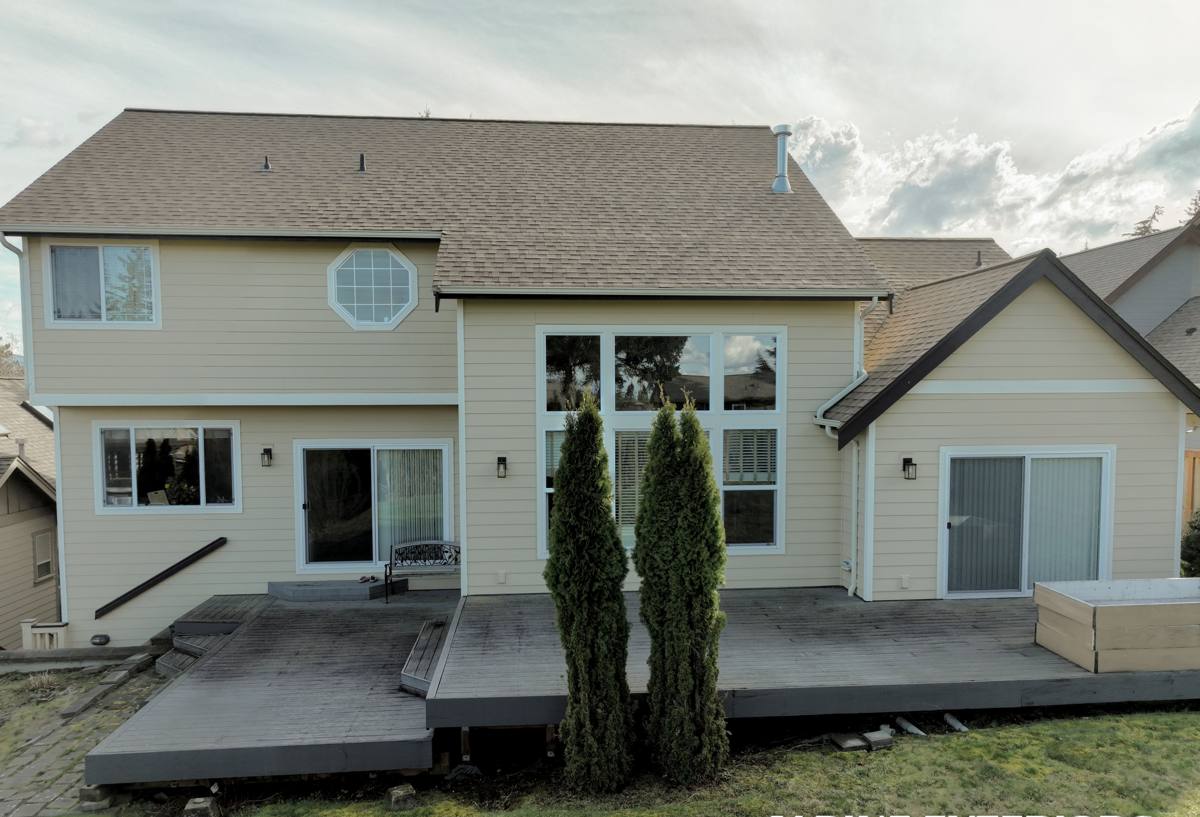
What Harbor Oaks' Housing Stock Means for Window Work
Harbor Oaks is an established, older section of Clearwater, and that brings a mix of home ages and construction styles you don't see in newer subdivisions. Some houses still have original window openings that were never resized for modern impact-rated units. Others have already been through one or two rounds of replacement windows, sometimes installed to the standards of whatever decade they went in — not necessarily to today's Florida Building Code wind and water requirements.
That mix matters for installation because it means we can't treat every Harbor Oaks job as a simple like-for-like swap. Common issues we plan around before we ever cut a hole or pull a window:
- Original wood-framed openings that have shifted slightly out of square over the decades
- Stucco or masonry walls where the rough opening needs careful measurement rather than assumed standard sizing
- Older flashing or building paper behind existing trim that needs to be assessed, not just covered over
- Interior trim and casing details worth preserving on a home with real architectural character
- Prior repairs or patch jobs hiding water damage that only shows up once the old window is out
None of this is unusual for a neighborhood this established — it's just why measuring, inspecting, and prepping properly before installation matters more here than it would on a five-year-old house.
What a Correct Window Installation Actually Involves
Removal and Opening Inspection
The old window comes out carefully, and the rough opening gets inspected before anything new goes in. This is the point where hidden problems — soft wood, old moisture staining, deteriorated flashing — get caught. Skipping this step and just dropping a new window into a bad opening is how a "new window" ends up leaking within a year.
Flashing and Waterproofing
Wind-driven rain in a coastal storm doesn't fall straight down — it gets pushed sideways and upward into gaps that a calm-weather installation would never expose. Proper flashing integrates with the wall's existing water management system (housewrap, building paper, or the equivalent) so water sheds down and out, not into the wall cavity. This is the single most common corner cut on rushed installations, and it's the one that causes the most expensive damage down the road.
Fastening and Anchoring
Windows in a wind-borne debris region need to be anchored according to the manufacturer's tested installation instructions and the applicable Florida Building Code requirements for the fastener type, spacing, and embedment into structural framing — not just screwed in wherever it's convenient. This is also where salt air comes back into the picture: fastener and hardware material matters, because standard steel corrodes faster this close to the water.
Sealing and Finish
Interior and exterior sealant, trim, and caulking finish the job — but sealant is a backup to good flashing, not a substitute for it. A window that relies on caulk alone to stay dry will eventually fail once that caulk ages and cracks under UV exposure.
Impact-Rated Windows and What Pinellas County Requires
Clearwater falls within Florida's wind-borne debris region, which means new and replacement windows generally need to either be impact-rated or be paired with approved hurricane protection, per the Florida Building Code as enforced by Pinellas County. The right answer for a given Harbor Oaks home depends on the home's age, current permit history, and what's already in place.
| Option | How It Works | Trade-Offs |
|---|---|---|
| Impact-rated windows | Laminated glass and reinforced frame resist wind-borne debris directly; no separate shutters needed | Higher upfront cost than standard glass; heavier units require correctly sized framing |
| Standard windows + code-approved shutters or panels | Standard glass paired with separate storm protection installed before a storm | Requires someone to deploy protection ahead of every storm; shutters add their own maintenance |
| Standard windows, no supplemental protection | Meets no coastal wind-borne debris requirement on its own | Not compliant for most replacement work in this area — we'll flag this during estimate if it applies to your home |
We verify what's required for your specific address and permit situation before recommending a path — this isn't a one-size-fits-all decision, and getting it wrong can mean a failed inspection or a compliance problem at resale.
Frame Materials and Glass: What Holds Up Near the Harbor
Material choice affects how a window ages under salt air and sun, not just how it looks on day one.
| Frame Material | Salt Air / UV Performance | Maintenance |
|---|---|---|
| Vinyl | Resists corrosion well; quality varies by manufacturer's UV stabilizers | Low — occasional cleaning |
| Aluminum | Strong and common in coastal Florida construction; needs a good protective finish to resist salt corrosion over time | Moderate — finish should be inspected periodically |
| Fiberglass | Very stable dimensionally under heat and sun; performs well near the coast | Low |
| Wood, unclad | Vulnerable to moisture and salt air without diligent upkeep | High — regular sealing and repainting needed |
For glass, low-E coatings help cut down UV-driven fading and heat gain, which matters given how much direct sun Harbor Oaks homes take through much of the year. We'll walk through which combination of frame and glass fits your home's exposure, budget, and the look you're going for — there isn't one "correct" answer for every house on the block.
Our Process, Start to Finish
- Free on-site estimate: We look at your existing windows, openings, and any signs of past water intrusion, and talk through what's driving the replacement.
- Code and permit check: We confirm what Pinellas County and Florida Building Code require for your specific home before quoting a product.
- Product selection: We go over frame material, glass package, and impact rating options with honest trade-offs, not upsell pressure.
- Scheduling: We give you a realistic timeline, including lead time for special-order sizes common in older Harbor Oaks openings.
- Installation: Careful removal, opening inspection, proper flashing, code-compliant anchoring, and clean interior/exterior finish work.
- Final walkthrough: We check operation, sealing, and cleanup with you before we consider the job done.
Signs Your Harbor Oaks Home May Need New Windows
- Visible fogging or moisture between glass panes (failed seal)
- Windows that are difficult to open, close, or lock properly
- Drafts or a noticeable temperature difference near the window on hot or windy days
- Soft or discolored trim, sill, or wall area around the frame
- Chalky, pitted, or corroded hardware and frames from salt air exposure
- Rattling or whistling during windy conditions
- Rising energy bills with no other clear cause
Any one of these on its own isn't necessarily urgent, but a few together usually mean the window and its installation are past their working life.
Why It Matters That We Already Work in Harbor Oaks
A crew that's worked other homes in this neighborhood already knows the general pattern of openings, construction eras, and common trouble spots here — that's useful when we're inspecting your specific opening and figuring out what's original, what's been patched, and what needs real correction versus a cosmetic fix. It also means we're familiar with the Pinellas County permitting process for this area and won't be guessing at requirements on your job.
Just as important is being a crew you can actually reach after the install if a question comes up — about warranty coverage, a squeaky operation, or a sealing question a year down the line. Local accountability is part of what you're hiring, not just the labor on installation day.
If your Harbor Oaks home has windows showing their age, or you're planning ahead for hurricane season, we're happy to come take a look. The estimate is free, there's no pressure to commit on the spot, and you'll get a straight answer about what your home actually needs — use the form below to get started.