 Clearwater Roofing
 New Roof Installation Built for Dunedin's Coastal Conditions
Dunedin sits right on the Pinellas County coastline, which means the roof over your head works harder than roofs almost anywhere else in the country. Between the Gulf breezes, the causeway winds off St. Joseph Sound, and the tropical systems that pass through the area most summers, a Dunedin roof has to handle a combination of stresses that inland homes simply don't face. When we install a new roof in this neighborhood, we're not just replacing worn shingles or tile — we're building a system designed to hold up against hurricane-force wind gusts, wind-driven rain that finds every gap, and UV exposure that runs strong nearly all year.
A lot of roofing problems we get called out to inspect in Dunedin didn't start as a bad roof. They started as a roof that was installed correctly for a different climate, or installed to the minimum code requirement instead of what the local conditions actually demand. Getting a new roof installation right here means paying attention to details that matter more on the coast than they do fifty miles inland.
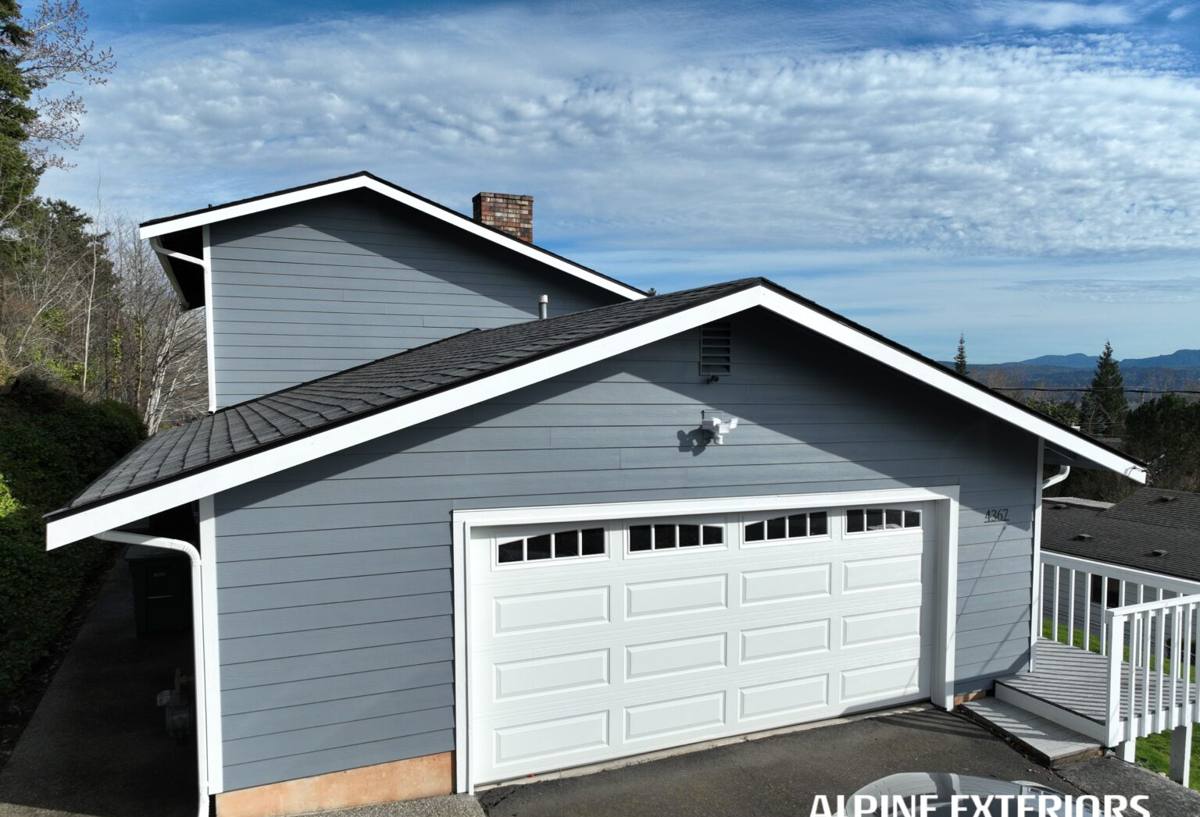
What the Local Climate Actually Does to a Roof
Wind
Dunedin doesn't need a named storm to see damaging wind. Straight-line gusts off the water and seasonal squalls put real uplift pressure on roof edges, corners, and ridge lines — the areas most likely to fail first if fasteners, underlayment, and edge metal weren't installed to spec. During an actual hurricane or tropical storm, that pressure multiplies fast.
Wind-driven rain
Florida rain rarely falls straight down here. When it's pushed sideways by wind, it gets forced up under shingle tabs, through loose flashing, and into any seam that isn't properly sealed or lapped. This is why underlayment quality and flashing detail work matter as much as the shingles or tiles themselves.
UV exposure
With sun intensity that stays high nearly year-round, roofing materials in Dunedin age faster than the same product would in a northern climate. Asphalt shingles can lose granules and flexibility sooner, and lower-grade underlayments can become brittle years ahead of schedule if they weren't rated for it.
Salt air
Being close to the coast means airborne salt settles on roofing metal, fasteners, and vents. Over time, salt exposure accelerates corrosion on anything that isn't coastal-rated — a detail that's easy to overlook if a crew doesn't regularly work this close to the water.
What a Correct New Roof Installation Includes
A roof that's going to hold up in Dunedin isn't just about the visible shingle or tile layer. It's a system, and every layer has a job:
- Deck inspection and repair: Any soft, rotted, or delaminated decking gets replaced before anything new goes down — covering a bad deck just hides the problem.
- Underlayment: A synthetic or self-adhering underlayment rated for high-wind, high-UV climates, installed with proper overlap at seams and penetrations.
- Flashing: New flashing at every roof-to-wall transition, valley, chimney, and vent — old flashing gets reused far too often on cheap jobs, and it's usually the first thing that leaks.
- Fastening pattern: Nail or fastener spacing that meets or exceeds Pinellas County wind-load requirements, not just the bare minimum.
- Edge and drip metal: Properly secured edge metal, since roof perimeters are where wind uplift starts.
- Ventilation: A balanced intake-and-exhaust system so heat and moisture don't build up in the attic, which shortens the life of the roof from underneath.
- Coastal-rated fasteners and metal: Corrosion-resistant hardware anywhere salt air exposure is a factor.
Skip any one of these and the finished roof might look fine for a year or two — but it won't perform the way it's supposed to when a real storm tests it.
Choosing the Right Roofing Material for a Dunedin Home
There's no single "best" roofing material for every house — it depends on your home's structure, your budget, your neighborhood's architectural style, and how long you want the roof to last before the next major investment. Here's an honest comparison of the systems we install most often in this area:
| Material | Typical Lifespan (Coastal FL) | Wind Performance | Maintenance |
|---|---|---|---|
| Architectural asphalt shingle | 18-25 years | Good, when rated and installed for high wind | Low |
| Concrete or clay tile | 30-50 years | Very good when properly fastened; heavier structural load | Low, occasional broken-tile repair |
| Standing seam metal | 40-50+ years | Excellent uplift resistance | Very low |
| Flat/low-slope membrane (TPO, modified bitumen) | 15-25 years | Good with proper seam welding and edge detail | Moderate, periodic seam inspection |
We'll walk you through the real trade-offs for your specific roof — upfront cost, how it fits your home's style, and how it holds up long-term — rather than pushing whatever's easiest for us to install.
Our New Roof Installation Process
1. On-site inspection and honest assessment
We start by getting on the roof, not just estimating from the ground. We look at the deck, the current flashing, ventilation, and any signs of past water intrusion so you know exactly what you're working with before we talk about materials.
2. Material selection and proposal
We go over the material options that make sense for your home and budget, with a clear, itemized proposal — no vague allowances or surprise add-ons once the tear-off starts.
3. Permitting
New roof installations require a permit through Pinellas County or the City of Dunedin depending on your property's jurisdiction. We handle that process and the required inspections so the job is documented and code-compliant.
4. Tear-off and deck inspection
We remove the old roofing system down to the deck, inspect every section, and replace any compromised sheathing before moving forward.
5. Installation
Underlayment, flashing, fastening, and the finish material go on in that order, following manufacturer specs and local wind-load requirements at every step.
6. Final walkthrough and cleanup
We do a full site cleanup, including a magnetic sweep for stray nails, and walk the finished roof with you so you understand what was done and what to expect going forward.
Why It Matters That We Already Work in Dunedin
A roofing crew that regularly works this part of Pinellas County knows the county's permitting process, understands the local wind-zone requirements, and has already seen how different materials actually hold up on homes exposed to the same salt air and Gulf winds yours faces. That familiarity shows up in the small decisions — where extra flashing makes sense, which fastening pattern to use on a corner exposed to prevailing wind, when a slightly heavier underlayment is worth it near the water. A crew that mostly works inland, or that's new to this stretch of coastline, is more likely to install to generic code minimums instead of what this specific environment calls for.
Signs Your Dunedin Home May Need a New Roof
Not every roofing issue means a full replacement, but these are signals worth having evaluated by someone who can actually get on the roof and look:
- Shingles that are curling, cracking, or missing granules in patches
- Tiles that are cracked, slipped, or missing after a windy season
- Soft spots or noticeable sagging when walking the roof or attic
- Daylight visible through the roof deck from inside the attic
- Water stains on ceilings or in the attic after heavy rain
- A roof approaching or past 20 years old with no major work done
- Rising energy bills tied to poor attic ventilation or insulation loss
- Visible rust or corrosion on flashing, vents, or roof metal
What Affects the Cost of a New Roof Installation
Every home is different, but the main factors that drive cost on a Dunedin roofing project are fairly consistent:
| Factor | Why It Matters |
|---|---|
| Roof size and complexity | More valleys, hips, and dormers mean more flashing detail and labor time |
| Material choice | Asphalt, tile, and metal carry very different material and labor costs |
| Deck condition | Rotted or damaged decking found during tear-off adds repair cost |
| Roof pitch and access | Steep or hard-to-access roofs take longer and require more safety setup |
| Wind-rating requirements | Coastal wind-zone specs may call for upgraded fasteners or underlayment |
We'll give you a straightforward number based on your actual roof, not a rough range that changes once the crew shows up.
Insurance and Storm Preparedness Considerations
Many Dunedin homeowners are also weighing how a new roof affects their windstorm insurance premiums. A roof installed to current wind-mitigation standards, with documented compliance, can factor into insurance discounts depending on your carrier and policy. We provide the documentation from the permitted installation, but we'd encourage you to confirm specifics with your insurance agent, since coverage details vary by policy and provider.
If your Dunedin home is due for a new roof, we're happy to take a look and give you a straightforward, no-pressure estimate — just fill out the form below and we'll get in touch.