 Clearwater Roofing
 Siding Built for What Skycrest Homes Actually Face
Skycrest is one of Clearwater's established residential neighborhoods, and like most of Pinellas County, it sits close enough to the Gulf and Tampa Bay that "coastal climate" isn't a marketing phrase — it's a daily condition your siding has to survive. Between hurricane-season wind loads, relentless UV exposure nearly year-round, wind-driven rain that gets pushed sideways into wall assemblies, and a steady dose of salt air working on anything metal or painted, exterior siding here ages faster than it does almost anywhere else in the country. A product or installation method that works fine in a drier, cooler climate can fail quietly in Clearwater — peeling, swelling, or letting moisture behind the wall — long before a homeowner notices anything wrong on the surface.
This page is about one thing: what fiber cement siding needs to do correctly on a Skycrest home, and how we approach that job so it holds up rather than becoming a five-year problem.
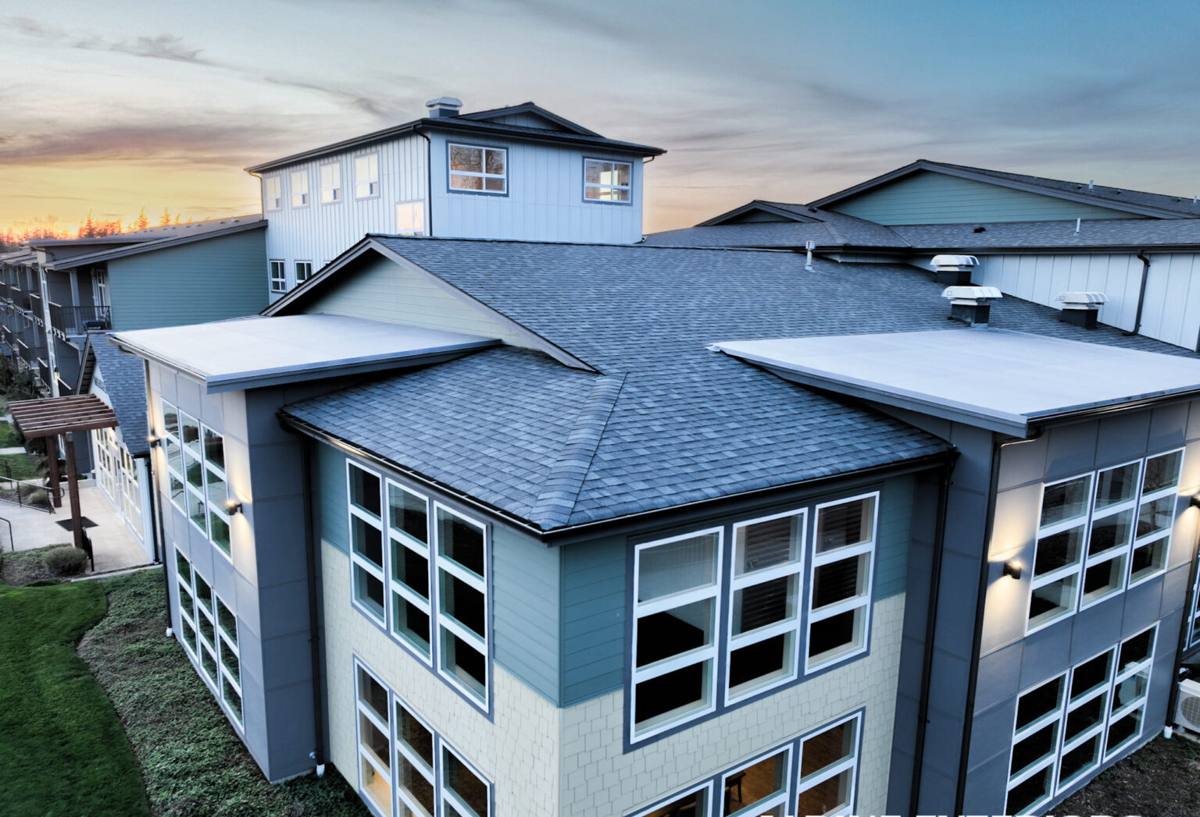
What Clearwater's Climate Does to Exterior Siding Over Time
UV exposure
Central Florida sun is intense for most of the year, not just summer. Paint and factory finishes that aren't formulated to resist UV breakdown will chalk, fade unevenly, and lose adhesion faster here than in northern climates. On wood-based or wood-look products, UV also accelerates the breakdown of the surface layer that's supposed to protect the substrate underneath.
Wind-driven rain
Florida storms rarely fall straight down. Wind pushes rain horizontally into walls, seams, and trim joints. Siding systems that rely on gravity alone to shed water — rather than proper flashing, laps, and sealed penetrations — let moisture work its way behind the cladding, where it can sit against sheathing and framing for days.
Salt air
Even inland from the immediate coastline, Pinellas County homes are exposed to salt-laden air carried off Tampa Bay and the Gulf. Salt accelerates corrosion of fasteners and metal trim, and it can affect how certain coatings age.
Hurricane-force wind
Wind uplift and impact from wind-borne debris are real design considerations here, not hypotheticals. Siding has to be rated and fastened to hold under sustained high wind, not just look good on a calm day.
Put together, these four conditions are exactly why generic siding advice doesn't hold up in Clearwater — and why the product and installation choices matter more here than in most of the country.
Why We Install James Hardie Fiber Cement — and Only That
We standardized our siding work on James Hardie fiber cement, and we don't install vinyl, LP SmartSide, Cemplank, Allura, or wood siding. That's a deliberate call based on how those materials perform under Pinellas County conditions specifically:
- Non-combustible core: fiber cement doesn't contribute fuel to a fire the way wood-based or engineered wood products can.
- Climate-engineered product line: James Hardie makes an HZ5 formulation specifically engineered for humid, high-moisture climates like ours, which is what we specify on Skycrest homes.
- Factory-applied ColorPlus finish: baked-on, UV-resistant color that doesn't rely on a field-applied paint job to hold up against Florida sun.
- Moisture stability: fiber cement doesn't swell, rot, or delaminate the way wood-based products can when water gets behind them, which matters given how much wind-driven rain this area sees.
- Wind performance: when installed to manufacturer spec with the correct fastening pattern, Hardie siding is engineered and tested for high-wind regions.
Vinyl siding can soften and warp in prolonged direct sun and doesn't offer the same impact resistance. Wood and primed spruce require far more ongoing maintenance to keep moisture out, which is a tough ask in a climate that stays humid most of the year. Other fiber cement brands may be reasonable products, but we've chosen to standardize on one system, one warranty structure, and one set of installation specs that our crews know cold — rather than juggling multiple product lines with different requirements.
What a Correct Fiber Cement Siding Installation Involves
Fiber cement siding is only as good as the installation behind it. Most siding failures we get called to inspect trace back to shortcuts taken during install, not a defective product. On a Skycrest home, a correct job includes:
- A weather-resistant barrier (house wrap) installed and lapped correctly before any siding goes up
- Proper flashing at windows, doors, and any wall penetrations so water is directed out, not in
- Correct starter strip and clearance from grade, roofing, and other flatwork so the bottom edge of the siding isn't sitting in standing water or splash-back
- Manufacturer-specified fastener type, spacing, and penetration depth — this is what gives the wall its wind rating, and it's the step most often shortcut on rush jobs
- Correctly sized gaps and sealant at butt joints and trim, since fiber cement expands and contracts with temperature and humidity
- Field-cut edges primed or sealed per spec so raw cut edges aren't left exposed to moisture
None of this is visible once the job is finished and painted — which is exactly why it matters who does the work, not just what material goes on the wall.
Comparing Siding Options for a Coastal Pinellas Home
| Factor | Vinyl | Wood / Primed Spruce | James Hardie Fiber Cement |
|---|---|---|---|
| UV/fade resistance | Moderate — can chalk and fade | Poor without regular repainting | Strong with factory ColorPlus finish |
| Moisture/rot resistance | Doesn't rot, but seams can trap water | Vulnerable to swelling and rot | Engineered for humid climates (HZ5) |
| Wind/impact performance | Can crack or blow off in high wind | Varies by installation and thickness | Tested for high-wind regions when installed to spec |
| Combustibility | Can soften/melt near heat sources | Combustible | Non-combustible core |
| Ongoing maintenance | Low, but limited repair options | High — regular repainting/sealing | Low with factory finish; repaint cycle much longer |
| Typical lifespan installed to spec | 20–30 years | Highly variable, often shorter in humid climates | Decades, with strong transferable warranty |
This isn't about declaring one product universally "best" — it's about which trade-offs make sense for a home standing up to Clearwater's specific combination of sun, salt, wind, and rain.
How Our Process Works on a Skycrest Home
1. On-site assessment
We look at the existing wall assembly, current siding condition, trim and window details, and anything specific to the home's age or construction that affects the scope — before we ever talk product or price.
2. Product and color selection
We walk through the relevant James Hardie HZ5 board profiles and ColorPlus finish options, matched to the home's style and to what holds up well in this climate.
3. Permitting
Siding work in Pinellas County typically requires a permit, especially given local wind-load requirements. We handle that as part of the job so the work is inspected and documented correctly.
4. Tear-off and prep
Old siding comes off, the wall is inspected for hidden moisture damage before it's covered again, and the weather-resistant barrier goes on correctly the first time.
5. Installation to manufacturer spec
Fastening pattern, flashing, clearances, and joint treatment are done to James Hardie's published specifications — not a shortcut version of them.
6. Final walkthrough
We go over the finished work with the homeowner and make sure trim, caulking lines, and paint finish meet the standard we'd want on our own home.
What to Ask Before Hiring Anyone for Fiber Cement Siding in Skycrest
- Are you licensed and insured to do exterior siding work in Pinellas County?
- Will the job be permitted and inspected?
- What fastening pattern and clearance specs will you follow, and are they James Hardie's published specs?
- How do you handle flashing at windows, doors, and penetrations?
- What does the manufacturer warranty cover, and does it stay valid based on how the job is installed?
- Have you installed fiber cement siding on other homes in this neighborhood or climate zone?
Maintaining Hardie Siding in Clearwater's Climate
One of the practical advantages of James Hardie siding here is how little ongoing maintenance it asks for compared to wood-based alternatives. Homeowners should still plan to rinse off salt film and accumulated grime periodically, keep an eye on caulking at joints and trim for cracking over time, and address any landscaping or irrigation that's throwing constant moisture or sprinkler overspray onto the siding. That's a modest routine compared to the repainting and sealing cycle wood siding demands in a humid climate.
Why It Matters That We Already Work in Skycrest and Clearwater
A crew that works this area regularly already understands Pinellas County's permitting process, the wind-load requirements that apply here, and how differently a wall assembly needs to be detailed for a Gulf-adjacent climate versus a drier region. That local familiarity shows up in the details — flashing choices, fastener spec, how clearances are handled near grade — that determine whether siding lasts twenty-plus years or starts failing at year five.
If you're weighing siding options for a home in Skycrest or elsewhere in Clearwater, we're happy to take a look and talk through what your home actually needs. Reach out for a free, no-pressure estimate using the form below.