 Clearwater Roofing
 Why Harbor Oaks Homes Need a Roof Built for This Climate
Harbor Oaks sits inside a part of Clearwater that gets the full range of what Pinellas County weather can throw at a roof in a single year. Hurricane-force wind gusts test every nail and shingle tab. Months of intense, nearly year-round UV exposure bake asphalt granules and dry out sealant strips faster than in cooler climates. Wind-driven rain finds any gap in flashing or underlayment instead of just falling straight down. And the salt air moving in off the Gulf and the bay accelerates corrosion on anything metal — nail heads, flashing, vent housings, drip edge. None of these factors is unique to Harbor Oaks, but together they mean a shingle roof here is doing more work, more often, than the same roof would in a landlocked, temperate part of the country.
A correctly built asphalt shingle roof accounts for all of that from the start — not just the shingles on top, but the underlayment, ventilation, flashing, and fastening underneath them. Get those details right and a shingle roof holds up well here for years. Skip them, or have them done by a crew unfamiliar with coastal Florida conditions, and problems tend to show up early: lifted tabs after the first strong blow, granule loss, soft decking, or leaks around penetrations that never should have happened.
The Housing Stock In and Around Harbor Oaks
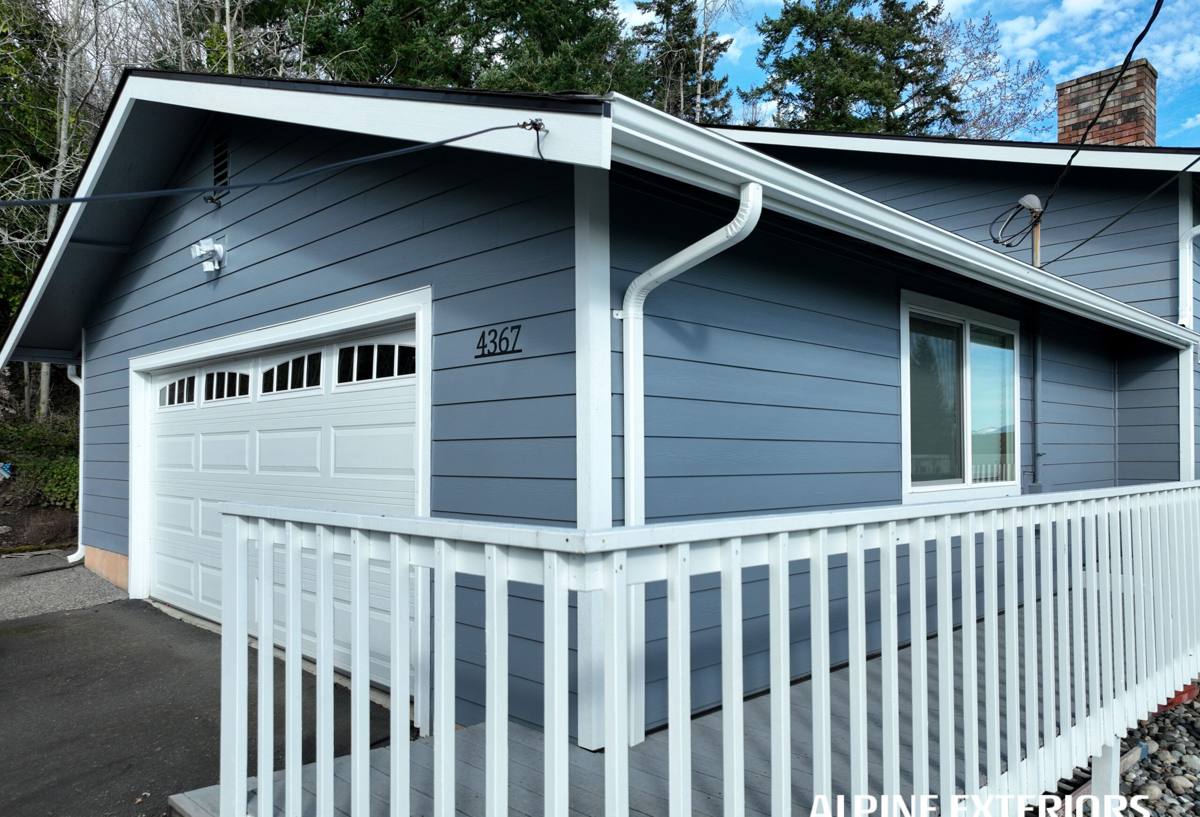
Like many established Clearwater neighborhoods, homes in and around Harbor Oaks span a range of ages and roof styles — some with newer roofs installed after a past storm cycle, others still carrying older systems that are due for a closer look. Moderate roof pitches, mature tree cover in places, and a mix of single-story and two-story homes are all common in this part of the city. That variety matters for roofing work: a roof plan that fits a newer, simply-framed home doesn't always fit an older one with additions, dormers, or a chimney tying into the roof deck. We treat every Harbor Oaks estimate as its own project rather than applying a one-size template, because the roof's age, framing, and past repair history all change what the correct scope of work looks like.
What a Correct Shingle Roof Involves Here
An asphalt shingle roof is a system, not a single product. Each layer has a job, and in a coastal wind and rain environment, none of them can be treated as optional.
Underlayment and Water Barrier
The underlayment is the roof's real waterproofing layer — shingles shed most water, but underlayment is what protects the deck when wind drives rain sideways or up under a tab. In this climate we favor synthetic or self-adhering underlayment options over older felt products, and we pay particular attention to self-adhering membrane at eaves, valleys, and roof-to-wall transitions, where wind-driven rain is most likely to find a way in.
Shingle Wind Rating and Nailing Pattern
Shingles are rated for wind resistance, and that rating only holds up if the nailing pattern matches the manufacturer's high-wind installation instructions — correct nail count, correct placement, and nails driven flush rather than over- or under-driven. This is the single most common shortcut on rushed roofing jobs, and it's also the one most likely to cause a claim denial after a storm if it isn't done right.
Ventilation
Attic ventilation controls heat and moisture buildup under the roof deck. In a climate with this much sun exposure, poor ventilation shortens shingle life by cooking them from underneath and can also contribute to moisture problems in the attic. Intake at the soffits and exhaust at or near the ridge need to be balanced, not just present.
Flashing and Penetrations
Every place something interrupts the shingle field — a chimney, a plumbing vent, a wall intersection, a skylight — is a place that depends on properly formed and sealed flashing, not just roofing cement. Salt air corrodes cheap or thin flashing metal faster than people expect, so material choice matters as much as the installation.
Shingle Options: What Fits a Coastal Clearwater Roof
Not every shingle product is built the same way, and the right choice depends on budget, roof exposure, and how long you plan to stay in the home. Here's how the common tiers compare for a home in this area.
| Shingle Type | Typical Wind Rating | General Lifespan | Best Fit For |
|---|---|---|---|
| 3-Tab Asphalt | Lower end of code-compliant ratings | Shorter end of asphalt roof lifespans | Budget-driven projects, secondary structures |
| Architectural (Dimensional) | Mid-to-high wind ratings depending on line | Longer than 3-tab, better UV and impact tolerance | Most Harbor Oaks primary residences |
| Impact-Rated (Class 4) | Highest wind and impact ratings available | Comparable to or longer than standard architectural | Homes seeking insurance premium credits, higher wind exposure |
We don't push impact-rated shingles on every home — for some roofs the added cost doesn't pencil out against the insurance credit available, and for others it does. That's a conversation we have honestly during the estimate, based on your specific roof and policy, not a standard upsell.
How Our Process Works
Inspection and Honest Estimate
We start by getting on the roof, not just looking at it from the ground. That means checking the deck condition, existing ventilation, flashing details, and any soft spots before we write up a scope of work. You get a written estimate that explains what we found and why we're recommending it.
Tear-Off and Deck Inspection
We remove the old roofing system down to the deck rather than layering over it, because you can't properly inspect or waterproof a deck you can't see. Any damaged or delaminated decking gets flagged and replaced before anything new goes down.
Underlayment, Flashing, and Shingle Installation
Underlayment, drip edge, and flashing go in first, following manufacturer specifications for this wind zone. Shingles are installed with the correct nailing pattern for the product's high-wind rating — not a generic pattern used everywhere regardless of exposure.
Final Walkthrough
We walk the finished roof and the site with you, confirm cleanup, and go over the workmanship and manufacturer warranty coverage so you know exactly what's covered and for how long.
Signs Your Harbor Oaks Roof Needs Attention
Most shingle roof problems give some warning before they turn into an active leak. Worth checking for, especially after a windy season:
- Shingle tabs that look lifted, curled, or are missing outright
- Bald or shiny patches where granules have worn away
- Dark streaking or staining on the roof surface
- Soft or spongy spots when walking the roof or attic decking
- Rust streaks around vent pipes, flashing, or metal fixtures
- Daylight visible through the attic decking or roof boards
- Granules collecting in gutters after storms
- Ceiling stains or musty odor in upper rooms after rain
Any one of these on its own isn't necessarily an emergency, but it's worth a look before the next storm season rather than after.
Maintenance in a Salt-Air, High-UV Climate
Asphalt shingles don't need much upkeep, but a little attention goes further here than in a milder climate. Keeping gutters and valleys clear prevents standing water from sitting against shingle edges. Trimming back tree limbs that overhang the roof reduces both debris buildup and abrasion during wind. A periodic visual check after major storms — even just from the ground with binoculars — catches lifted shingles or damaged flashing before they turn into a leak. Because salt air corrodes metal components faster than an inland climate would, it's also worth having flashing, vent boots, and fasteners checked every few years rather than assuming they'll simply outlast the shingles.
Why a Crew That Already Works Harbor Oaks Matters
Roofing code requirements, wind zone specifications, and permitting details vary by jurisdiction, and Clearwater and Pinellas County have their own requirements for reroofing work. A crew that regularly works in this area already knows the local permitting process, the inspection expectations, and the wind-rating requirements that apply to Harbor Oaks specifically — instead of treating your roof as a generic job and learning the local rules as they go. That familiarity shows up in fewer surprises: the right permits pulled up front, the right nailing schedule for this wind zone from day one, and a scope of work that reflects what actually holds up in this climate rather than a national-average install.
Permits, Insurance, and Wind Mitigation
A full asphalt shingle roof replacement in Clearwater generally requires a building permit and a final inspection — we handle that paperwork as part of the job rather than leaving it to the homeowner. Once the new roof is complete, it's also worth scheduling a wind mitigation inspection with a licensed inspector. Depending on the shingle product, nailing pattern, and roof features documented, a new roof can qualify a home for meaningful savings on windstorm insurance premiums. We can't guarantee what your insurer will offer, but we build the roof to the standard that gives you the best chance at those credits, and we provide the documentation a wind mitigation inspector will want to see.
If your Harbor Oaks roof is showing its age, took a hit in a recent storm, or you just want an honest read on where it stands, we're happy to take a look. Use the form below to request a free, no-pressure estimate — we'll tell you what we find, plainly, and what we'd recommend if it were our own roof.