 Clearwater Roofing
 Building New on Indian Rocks Beach Means Building for Wind and Water
Indian Rocks Beach sits on a barrier island in Pinellas County, which puts any new build or ground-up addition here in a different category than an inland renovation. The lot is exposed to gulf-driven wind loads, salt-laden air, and wind-driven rain that finds its way through any gap in a window opening that wasn't detailed correctly the first time. When you're framing new walls, you get one real chance to get the window openings right before drywall, siding, and finish work close everything up. That's the opportunity new construction gives you over a replacement job — and it's also the reason the install has to be done in the correct order, with the correct materials, the first time.
This page is specifically about installing windows into new framed openings — new builds, additions, and gut-to-the-studs renovations — in the Indian Rocks Beach area. It's a different scope of work than swapping out an existing window in an existing wall, and it deserves its own explanation.
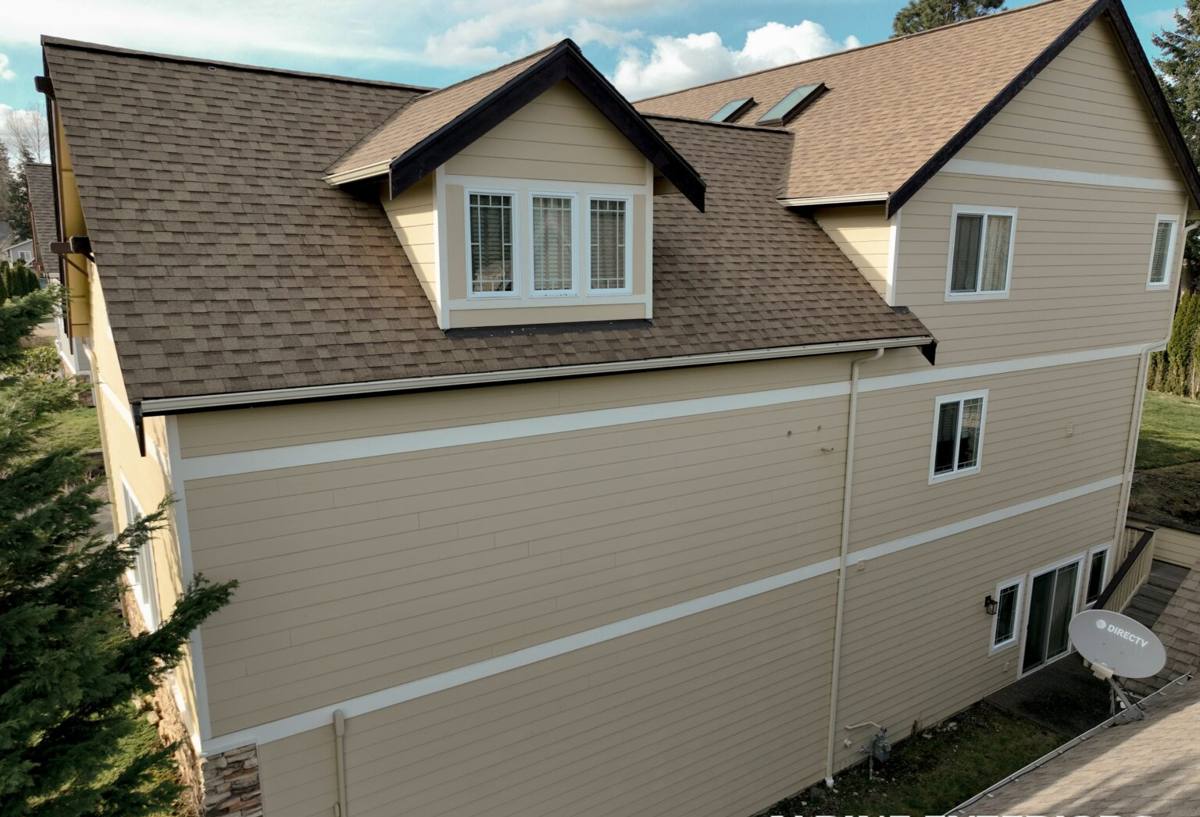
What Indian Rocks Beach's Climate Actually Does to a Window Opening
Wind Load
Coastal Pinellas County properties, especially on the barrier islands, carry higher design wind pressures than inland Clearwater lots. The window unit itself, the anchoring method, and the buck or frame it's set into all have to be rated and installed to handle that pressure — not just during a named storm, but during the routine strong afternoon squalls that roll through much of the year.
Wind-Driven Rain
Rain that arrives sideways behaves differently than rain that falls straight down. It gets pushed up and under flanges, into fastener holes, and behind trim that isn't flashed in the correct shingle-lap order. On a new-construction opening, this is 100% preventable — the flashing sequence is fully accessible before the wall is closed up. It's one of the biggest advantages of doing it right at the framing stage instead of trying to fix it later from the outside.
UV Exposure
Florida sun is intense and constant, and it's hard on window components year-round, not just in summer. Vinyl frames, seals, and low-quality glazing gaskets can degrade faster under sustained UV than they would farther north. Glass coatings matter here as much as frame material.
Salt Air
Being close to the gulf means airborne salt settles on and around exterior hardware, fasteners, and frame components continuously. Metal components that aren't rated for coastal exposure corrode faster near the water than they would even a few miles inland.
New-Construction Windows vs. Replacement Windows — Why the Distinction Matters
These are genuinely different products and different installation methods, and mixing them up on a project causes problems.
| Factor | New-Construction Window | Replacement (Insert) Window |
|---|---|---|
| Frame type | Has a nailing fin around the perimeter | No nailing fin; sets inside the existing frame |
| When it's used | New framed openings, additions, gut renovations | Existing openings where the old frame stays in place |
| Flashing access | Full access to house wrap and sheathing before closing the wall | Limited — existing exterior finish is already in place |
| Exterior finish | Siding or stucco is installed after the window and its flashing | Trim is patched around the existing opening |
| Best fit for this project type | Correct choice for new builds and additions | Wrong product for a new framed opening |
Using a replacement-style window in a new framed opening — or vice versa — is one of the more common mistakes we see corrected after the fact on Pinellas County jobs. The two products are not interchangeable, and the flashing details are completely different.
What a Correct New-Construction Install Actually Involves
The window unit itself only performs as well as the opening it's set into. On every new-construction window we install in the Indian Rocks Beach area, the sequence follows this order:
- Verify the rough opening is square, level, and sized correctly for the specified window unit before it ever arrives on site.
- Install a sloped sill pan flashing at the base of the opening so any water that does get past the window has a path back out, not into the wall cavity.
- Set the window plumb and level, shimmed correctly so the frame isn't racked or stressed, which affects both operation and long-term seal performance.
- Fasten through the nailing fin per the manufacturer's schedule — spacing and fastener type both matter for the wind rating to actually apply.
- Flash the sides and head in the correct shingle-lap order over the house wrap so water sheds outward and downward, never inward.
- Seal and insulate the gap between the frame and rough opening with a compatible sealant or low-expansion foam — the wrong product here can bow the frame.
- Confirm the exterior finish (siding, trim, or stucco) is installed over the flashing correctly, not under it.
Skipping or reordering any one of these steps is how a brand-new window ends up with a moisture problem within a year or two — long before the glass or hardware would ever be the cause.
Choosing the Right Window for a Coastal Pinellas County Build
Impact Rating and Product Approval
Windows installed in new construction here need current Florida Product Approval or Miami-Dade NOA documentation appropriate to the design pressure for the site, and that documentation should be something your contractor can hand you, not just claim verbally. The specific wind pressure rating required depends on the site's exposure category and the local building department's requirements for that address — this gets confirmed during permitting, not guessed at.
Frame Material
Vinyl, aluminum, and fiberglass all show up in new construction, and each has real trade-offs in a coastal environment:
- Vinyl — good value and decent insulating properties, but quality varies a lot between manufacturers; look for UV-stabilized formulations for Florida sun.
- Aluminum — strong and slim-profile, historically common in Florida, but needs a marine-grade or coastal finish to resist salt air corrosion long-term.
- Fiberglass — handles temperature swings and UV well with minimal expansion/contraction, generally at a higher price point.
Glass Package
Impact-rated laminated glass is standard for coastal Pinellas construction and also helps with UV and sound. Low-E coatings cut down on solar heat gain, which matters for cooling costs in a house that gets sun most of the year.
Permitting and Inspection in Pinellas County
New window installations tied to new construction or additions go through Pinellas County or the applicable municipal building department's permitting process, with inspections at specific stages — typically before the wall is closed up so the flashing and fastening can actually be verified. This is a genuine advantage of new-construction work: an inspector can see the sill pan and flashing before it disappears behind siding. We build our schedule around those inspection points rather than treating them as a hurdle to work around.
Why a Crew That Works This Area Specifically Matters
Indian Rocks Beach isn't identical to inland Clearwater when it comes to what a window opening needs to hold up. Exposure category, expected wind pressures, and how much salt exposure a given lot gets all shift depending on how close the property sits to the water and how exposed it is to open wind fetch. A crew that regularly works this specific stretch of coastline already has a working sense of:
- What wind pressure ratings tend to apply to barrier island lots versus properties a few miles inland
- Which frame finishes actually hold up to salt air here rather than corroding early
- How Pinellas County and local municipal inspectors expect flashing and fastening to be documented
- How to sequence the window install with siding, stucco, or other exterior finishes common on new builds in this area
That local familiarity shows up in fewer surprises during inspection and fewer callbacks after the first hard rain or windstorm — which, on this stretch of coast, isn't a hypothetical.
A Straightforward Checklist Before You Sign Off on a New-Construction Window Package
- Written wind pressure rating and Florida Product Approval or NOA number for each window model specified
- Frame material and finish appropriate for coastal salt exposure
- Sill pan flashing specified as part of the install, not left as an assumption
- Clear sequencing of flashing relative to house wrap and exterior finish
- A fastening schedule that matches the manufacturer's rated installation instructions
- Confirmation of which inspections are required and when they'll be scheduled
If your Indian Rocks Beach project is in the framing or planning stage and you want windows specified and installed correctly the first time, we're happy to walk the plans or the site with you. Reach out through the form below for a free, no-pressure estimate.