 Clearwater Roofing
 Board and Batten on a Waterfront Island
Island Estates sits out in the water, linked to downtown Clearwater and to Clearwater Beach by causeway, and that setting shapes almost every exterior decision homeowners here make. Board and batten — wide vertical boards with narrow battens covering the seams — is one of the most requested siding styles on the island. The clean vertical lines suit the coastal cottages, modern builds, and mid-century homes scattered along the canals, and the style pairs naturally with boat docks, open water views, and the low-slung rooflines common in the neighborhood.
But Island Estates is also one of the more exposed pockets of Clearwater. Homes here sit closer to open, moving water than most of Pinellas County, which means more direct salt air, more wind-driven rain coming off the water at odd angles, and fewer natural windbreaks than an inland lot a few miles away. A board and batten job that would hold up fine on a shaded inland street can fail early out here if it isn't built for that exposure from the start.
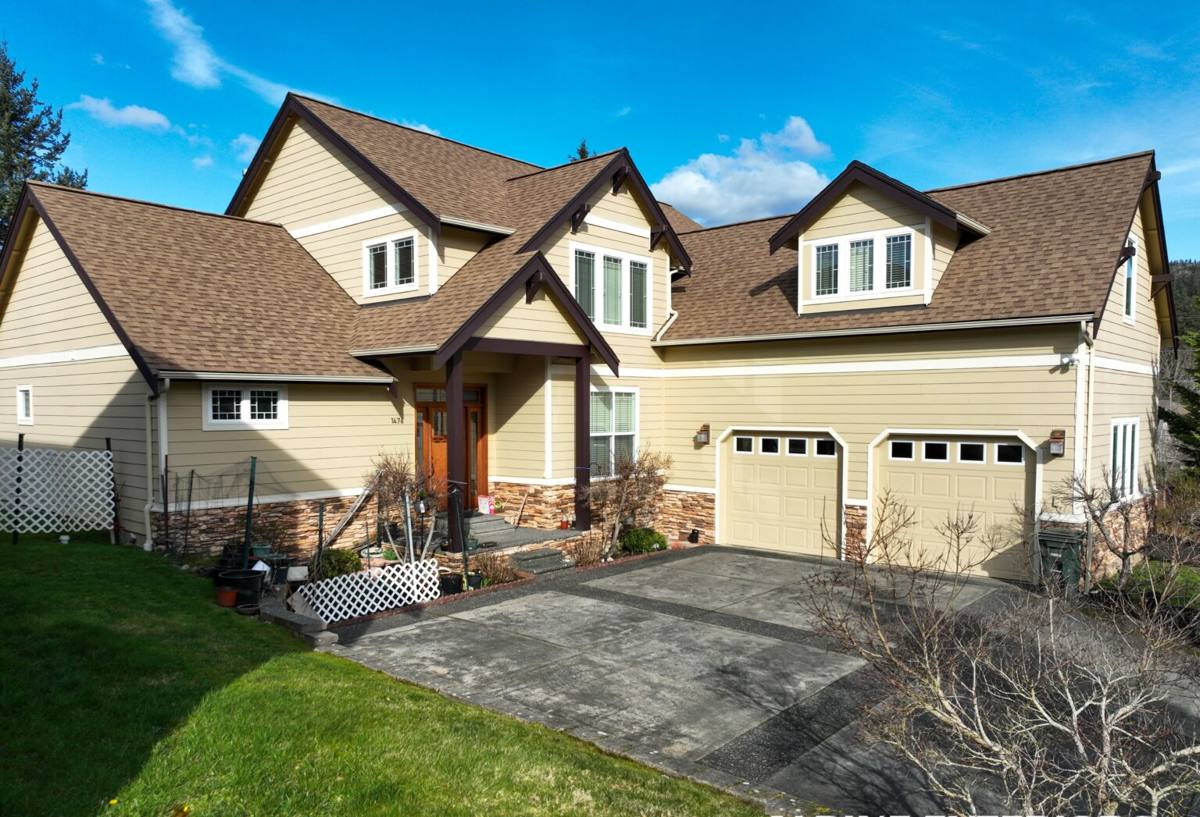
What the Local Climate Does to This Style Specifically
Board and batten has more seams, more fastener penetrations, and more vertical joints than a standard lap siding job — which is part of why it looks so good, and also why it's less forgiving of shortcuts near the water. A few things stack up against it on Island Estates in particular:
Salt air and corrosion
Airborne salt off the surrounding water settles on every exterior surface and works into any exposed metal. Fasteners, flashing, and trim that aren't rated for coastal exposure corrode faster here than almost anywhere else in the county, and a corroding fastener under a batten is a slow, hidden failure — you often don't see it until the batten itself starts to loosen or streak.
Wind-driven rain
Clearwater sits in a hurricane-exposed part of the Gulf Coast, and Island Estates catches wind off the water from multiple directions depending on the storm track. Board and batten relies on the battens and the drainage plane behind the boards to keep water out of the seams — if that drainage detail is missing or done wrong, wind-driven rain gets pushed sideways into the joints instead of running off them.
Year-round UV
Vertical siding on an open, sun-exposed lot takes UV punishment on multiple faces throughout the day, not just one wall. Paint film that isn't engineered for this kind of constant exposure chalks and fades unevenly, especially on the battens, which sit slightly proud of the field boards and catch more direct sun.
Humidity and moisture cycling
Pinellas County's humidity means siding is rarely fully dry. Materials that absorb and release moisture repeatedly — swelling, drying, swelling again — eventually telegraph that movement through cracked caulk lines, popped fasteners, or soft spots at the board ends, and board and batten's extra seams give moisture more places to get in if the assembly isn't detailed correctly.
What a Correct Board and Batten Job Actually Involves
Done right, board and batten is not just "boards, then battens on top." A correct installation on a waterfront lot like this includes several layers most homeowners never see:
- A continuous water-resistive barrier and drainage plane behind the siding, so any moisture that does get past the boards has somewhere to go instead of sitting against the wall sheathing
- Properly sized gaps and flashing at every horizontal transition — window heads, doors, roof lines — so wind-driven rain is directed out, not trapped behind the batten
- Corrosion-resistant fasteners driven to manufacturer spec, not just "close enough," since under-driven or over-driven fasteners are one of the most common causes of early siding failure in coastal wind
- Correct board and batten spacing and fastening pattern engineered for the wind loads this part of Pinellas County actually sees, not a generic inland pattern
- Factory-finished material where possible, so the paint film is baked on under controlled conditions rather than field-applied over a humid, salt-laden jobsite
Skip any one of these and the siding may still look right on installation day — the failures with board and batten almost never show up immediately. They show up in year three or four, as a soft board end, a streaked batten, or a section that's absorbing more moisture than the rest of the wall.
Why This Company Installs Only James Hardie for Board and Batten
We do not install LP SmartSide, vinyl, Cemplank, Allura, primed spruce, or cedar board and batten. That's a deliberate standard, not a lack of options. For a style with this many seams and fastener points, going out to a waterfront island, the material has to be engineered for exactly this kind of exposure — not just rated to survive it.
James Hardie's fiber cement is non-combustible, dimensionally stable in humidity, and manufactured in HZ product lines specifically engineered for climates like ours — hot, humid, and hurricane-exposed. For board and batten, that typically means HardiePanel vertical siding with HardieTrim battens, both available with the factory-applied ColorPlus finish. ColorPlus is baked on in a controlled environment with UV-cured coats, which matters directly for the fading and chalking problem described above — it holds color longer under constant sun than a field-painted finish, and it comes with its own finish warranty separate from the substrate warranty.
Fiber cement also doesn't rot, delaminate from moisture cycling, or provide a food source for pests the way wood-based products can — relevant on an island where humidity rarely lets up. And because it's non-combustible, it adds a layer of fire protection that wood-based board and batten simply can't offer, which matters anywhere but especially on a densely built waterfront street.
Board and Batten Material Comparison
| Factor | James Hardie Fiber Cement | Wood-Based / Vinyl Board and Batten |
|---|---|---|
| Salt air and moisture cycling | Dimensionally stable, engineered HZ formulation for humid coastal climates | Prone to swelling, cracking, or delamination over repeated wet-dry cycles |
| UV and color retention | Factory ColorPlus finish, UV-cured, separate finish warranty | Field-applied paint fades and chalks faster, especially on battens |
| Wind and impact resistance | Engineered for high-wind fastening patterns; rigid, non-warping panel | Vinyl can crack or blow off in gusts; wood battens can split at fasteners |
| Fire performance | Non-combustible material | Combustible (wood) or melts/deforms under heat (vinyl) |
| Pest and rot resistance | Not a food source; resists rot | Wood is vulnerable to rot and wood-boring insects without diligent upkeep |
| Long-term maintenance | Occasional wash and caulk-joint check | Regular repainting, caulk failure, board replacement more common |
Our Process for an Island Estates Board and Batten Job
Working on the island comes with logistics that don't apply everywhere in Clearwater — causeway access, tight waterfront lots, canal setbacks, and homeowners' association or architectural review requirements that vary block by block. A crew that already works this neighborhood plans around that instead of discovering it mid-project.
Our process starts with an on-site walk-through to assess the existing wall assembly, current siding condition, and any moisture or ventilation issues already present — common on older island homes that have been through multiple storm seasons. From there we scope the drainage plane and flashing details specific to the home's exposure (a home facing open water needs more attention at the windward wall than one tucked behind neighboring structures), pull the correct Pinellas County permits, and schedule fastening and batten patterns to the wind loads that apply to this stretch of coastline. We coordinate around tide and weather windows where dock or seawall access matters, and we sequence the tear-off and dry-in so the home is never left exposed overnight during storm season.
What This Costs to Get Right
Board and batten pricing depends on the same variables as any siding project — square footage, current wall condition, how much of the existing assembly can be reused versus replaced, trim and window detailing, and accessibility on a tight waterfront lot. What we won't do is quote a number that assumes shortcuts on the drainage plane or fastening pattern just to look competitive on paper; on this island, that's exactly the detail that determines whether the job is still solid in year five or already showing problems.
| Cost Factor | Why It Matters Here |
|---|---|
| Wall condition and moisture history | Older island homes may need sheathing repair before new siding goes on |
| Exposure and orientation | Windward-facing walls need more robust flashing and fastening detail |
| Trim and batten complexity | More corners, more window and door returns mean more labor and material |
| Access on the lot | Tight canal-front setbacks or seawall proximity can affect staging and equipment |
| Finish selection | ColorPlus factory finish colors and profiles vary slightly in cost |
Keeping Board and Batten in Shape on the Island
James Hardie board and batten is genuinely low-maintenance compared to wood or vinyl, but "low-maintenance" doesn't mean "no maintenance" — especially this close to open water. A simple annual routine catches most problems while they're still cheap to fix:
- Rinse salt residue off the siding a few times a year with a garden hose, focusing on walls facing the water
- Walk the caulk joints at trim, windows, and batten ends once a year and re-caulk any that have cracked or pulled away
- Check for streaking or rust trails below fastener heads or flashing, which can signal corrosion starting underneath
- Trim back landscaping so it isn't holding moisture against the lower courses
- After any named storm, do a quick visual pass for loosened battens, dented panels, or displaced flashing
Why the Local Crew Matters
Board and batten looks straightforward, which is exactly why it gets installed wrong so often — the mistakes are in the details you can't see once the job is finished, not in the finished look. A crew that already works Island Estates has already dealt with the causeway logistics, the canal-lot setbacks, the wind exposure on a specific stretch of the island, and the permitting requirements that apply here. That's the difference between a board and batten installation that just looks right at handoff and one that's still performing correctly after a few hurricane seasons.
If you're considering board and batten siding for a home on Island Estates, we're glad to walk the property, look at what's there now, and talk through what a correctly built system would involve — no pressure, no obligation. Use the form below to request a free estimate.