 Clearwater Roofing
 New Roof Installation Built for Largo's Climate
Largo sits inland enough to avoid the direct beachfront salt exposure of the barrier islands, but it still takes the full brunt of what Pinellas County throws at a roof every year: sustained summer heat, intense UV that doesn't let up for months at a time, sideways wind-driven rain during tropical systems, and humidity that never fully drops. A roof installed here has to handle all of that at once, not just one of those stresses. That's a different design problem than a roof going on in a drier, cooler climate, and it changes what "correct installation" actually means.
We install new roofs on Largo homes regularly, from older ranch-style houses near the center of the city to newer construction closer to the Pinellas Trail and surrounding neighborhoods. The homes vary in age and roof style, but the climate demands are the same for all of them. This page covers what a proper new roof installation looks like for a Largo home, what we actually do on the job, and what to look for whether you hire us or someone else.
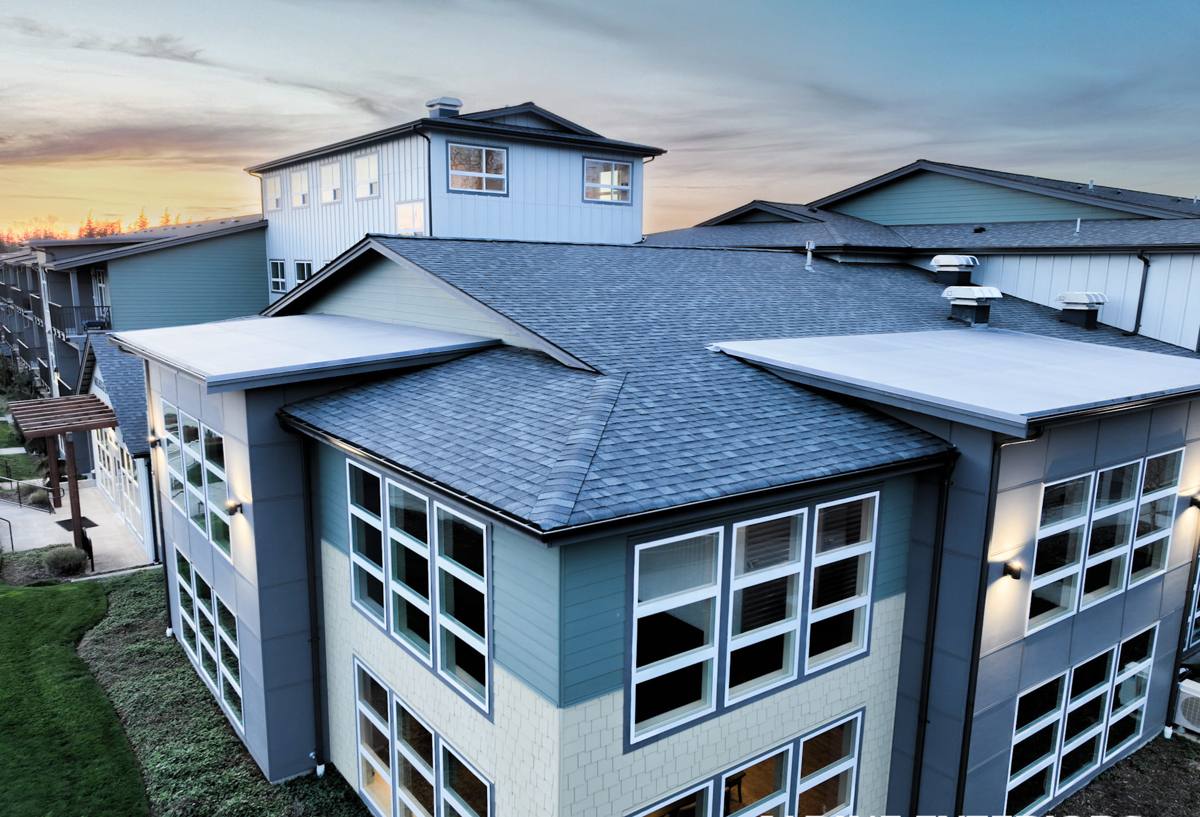
Why Largo Homes Need More Than a Standard Roof Job
A roof replacement here isn't just about swapping old shingles for new ones. Three things drive most of the early failures we see on roofs that weren't installed with this climate in mind:
Heat and UV Breakdown
Roof surface temperatures in Pinellas County regularly climb well above ambient air temperature during summer. Asphalt shingles, underlayment, and sealants all degrade faster under sustained UV and heat than the same products would in a milder climate. Cheap or mismatched materials show granule loss, curling, and brittleness years before they should.
Wind-Driven Rain
Straight-down rain is easy for almost any roof to shed. Wind-driven rain during a tropical storm or hurricane pushes water sideways and upward under shingle edges, around vents, and into flashing laps that weren't sealed correctly. Most "mystery leaks" that show up during a named storm trace back to a detail that was fine in dry weather and failed under wind pressure.
Humidity and Attic Moisture
Florida's humidity means an attic with poor ventilation traps moisture, which shortens the life of the roof deck from underneath even while the shingles on top look fine. This is one of the most overlooked factors in why a roof underperforms its rated lifespan.
What a Correct New Roof Installation Includes
A new roof is more than the shingles or panels you see. The parts that actually determine how long it lasts and how it performs in a storm are mostly hidden once the job is done. A complete installation includes:
- Full removal of the old roofing material down to the deck, not an overlay
- Inspection and repair of the roof deck itself — soft, delaminated, or water-damaged sheathing gets replaced, not covered up
- A code-appropriate underlayment layer suited to wind and moisture exposure
- Properly lapped and sealed flashing at every valley, wall, chimney, skylight, and penetration
- Balanced intake and exhaust ventilation sized to the attic, not just a couple of vents added for looks
- Fastening patterns that meet current wind-resistance requirements for the roof's exposure
- Drip edge, starter strip, and edge detailing installed correctly, not skipped to save time
Skipping any one of these doesn't necessarily show up on day one. It shows up two or five years later as a leak, a shingle blow-off, or a soft spot in the decking — usually during the worst possible weather.
Material Options for Largo Homes
There's no single "best" roofing material for every house — it depends on the roof's slope, the home's structure, your budget, and how long you want to go before dealing with it again. Here's an honest comparison of the main options we install:
| Material | Typical Lifespan Here | Wind/Storm Performance | Maintenance Notes |
|---|---|---|---|
| Architectural asphalt shingle | 15–25 years | Good with proper fastening and rated shingle class | Most affordable; periodic inspection after storms recommended |
| 3-tab asphalt shingle | 10–15 years | Lower wind rating than architectural shingles | Lowest upfront cost; shorter service life in this climate |
| Standing seam metal | 30–50 years | Excellent when properly fastened | Higher upfront cost; minimal ongoing maintenance |
| Tile (concrete or clay) | 30–50+ years | Very good if fastening and underlayment are correct | Heavier structure requirement; underlayment replacement eventually needed |
We'll walk through which of these actually makes sense for your specific roof structure and budget rather than pushing one option across every job. A steep, complex roofline and a simple low-slope roof don't always suit the same material.
Our Installation Process
Every new roof installation we do in Largo follows the same core sequence, regardless of material chosen:
- On-site assessment — we inspect the existing roof, attic, and structure before quoting anything, so the estimate reflects your actual roof rather than a generic number.
- Tear-off — complete removal of old roofing material and disposal, exposing the deck for inspection.
- Deck repair — any damaged or weakened sheathing is replaced before anything new goes down. This step gets skipped by crews trying to move fast, and it's the one that matters most.
- Underlayment and flashing — installed to current code requirements, with special attention to valleys, walls, and roof penetrations where wind-driven rain causes the most damage.
- Ventilation check — intake and exhaust are balanced for the attic volume, not just added wherever is convenient.
- Material installation — shingles, metal panels, or tile installed per manufacturer specification and wind-zone fastening requirements.
- Final inspection and cleanup — we walk the roof, check every detail, and clear the property of debris and nails before we consider the job finished.
We keep you informed at each stage rather than disappearing until the invoice. If deck damage turns up that wasn't visible before tear-off, we'll show you and explain the cost before moving forward — no surprise change orders buried at the end.
Permits, Wind Mitigation, and Insurance Considerations
New roof installations in Pinellas County require a building permit and inspection — this isn't optional, and it protects you. A permitted, inspected roof is also what your insurer will expect to see if you ever need to file a claim. We handle the permitting process and coordinate the required inspections as part of the job.
A new roof is also one of the few home improvements that can directly lower your homeowners insurance premium. Insurers in Florida use wind mitigation inspections to credit features like the roof's shape, the type of roof-to-wall connections, secondary water barriers, and the fastening method used. If you're replacing your roof anyway, it's worth asking your insurance agent about a wind mitigation inspection afterward — the documentation from a properly installed new roof often qualifies for a meaningful discount.
Signs Your Largo Home Needs a Replacement, Not a Repair
- Shingles that are curling, cracking, or losing granules across large sections rather than one isolated spot
- Multiple past repairs in different areas of the roof
- Visible sagging anywhere along the roofline
- Daylight visible through the roof deck from inside the attic
- Leaks that return after being patched, especially around valleys or chimneys
- A roof approaching or past the upper end of its material's expected lifespan, especially heading into hurricane season
If your roof shows one or two of these in isolation, a repair may still make sense. If you're seeing several at once, a repair is usually just delaying a replacement you're going to need anyway — often at higher cost once the deck itself has taken on water damage.
What Drives the Cost
Every new roof quote should account for the same handful of variables. Understanding them helps you compare estimates from different contractors on equal footing:
| Factor | Why It Matters |
|---|---|
| Roof size and complexity | More valleys, hips, and penetrations mean more labor and material for flashing detail work |
| Material choice | Asphalt, metal, and tile carry very different material and installation costs and lifespans |
| Deck condition | Rotted or water-damaged sheathing found during tear-off adds cost, but skipping the repair costs far more later |
| Number of layers being removed | Removing multiple layers of old roofing takes more labor and disposal cost than a single layer |
| Ventilation upgrades | Bringing an under-ventilated attic up to a proper intake/exhaust balance adds a modest cost but extends roof life |
We give a firm, itemized estimate after our on-site inspection rather than a rough number over the phone — a roof quoted without ever being looked at closely usually turns into a change order later.
Why a Crew That Already Works in Largo Matters
Roofing crews that work regularly in this part of Pinellas County already know the county's permitting process, the typical construction of homes in the area, and what installation details actually hold up against the wind and rain patterns local storms bring. That familiarity shows up in small but important ways — knowing which flashing details need extra attention on a given roof style, understanding realistic scheduling around Florida's rainy season, and being available afterward if a storm raises a question about how the roof performed.
A roof is one of the largest single investments you'll make in your home, and it's not one you want to re-do because a lower-cost crew cut corners on the parts you can't see. We stand behind our installation work and remain reachable long after the job is done — not just until the final payment clears.
Get a Free Estimate for Your Largo Roof
If your roof is showing its age or you're planning ahead of hurricane season, we're happy to come take a look and give you a straightforward, no-pressure estimate. Use the form below to get started, and we'll walk your roof with you and answer whatever questions you have before you decide anything.