 Clearwater Roofing
 Storm Damage Roof Repair in Largo, FL
Largo sits in the middle of Pinellas County, close enough to the Gulf that every named storm and every strong summer squall line off the water reaches it. Homes here deal with the same punishing mix as the rest of Clearwater and the surrounding barrier communities: hurricane-force wind gusts, wind-driven rain that finds its way in sideways, intense year-round UV that ages roofing materials faster than in most of the country, and salt-laden air that quietly corrodes metal fasteners, flashing, and vents over time. A roof that looks fine from the driveway can already have compromised seals, lifted shingles, or bent flashing that only shows itself as a leak weeks later.
Storm damage repair is a distinct trade skill, not just general roofing. It requires knowing what wind and water actually do to a roof system, how to stabilize a damaged section quickly, and how to document everything correctly if an insurance claim is involved. This page covers what that work actually looks like for Largo homes specifically.
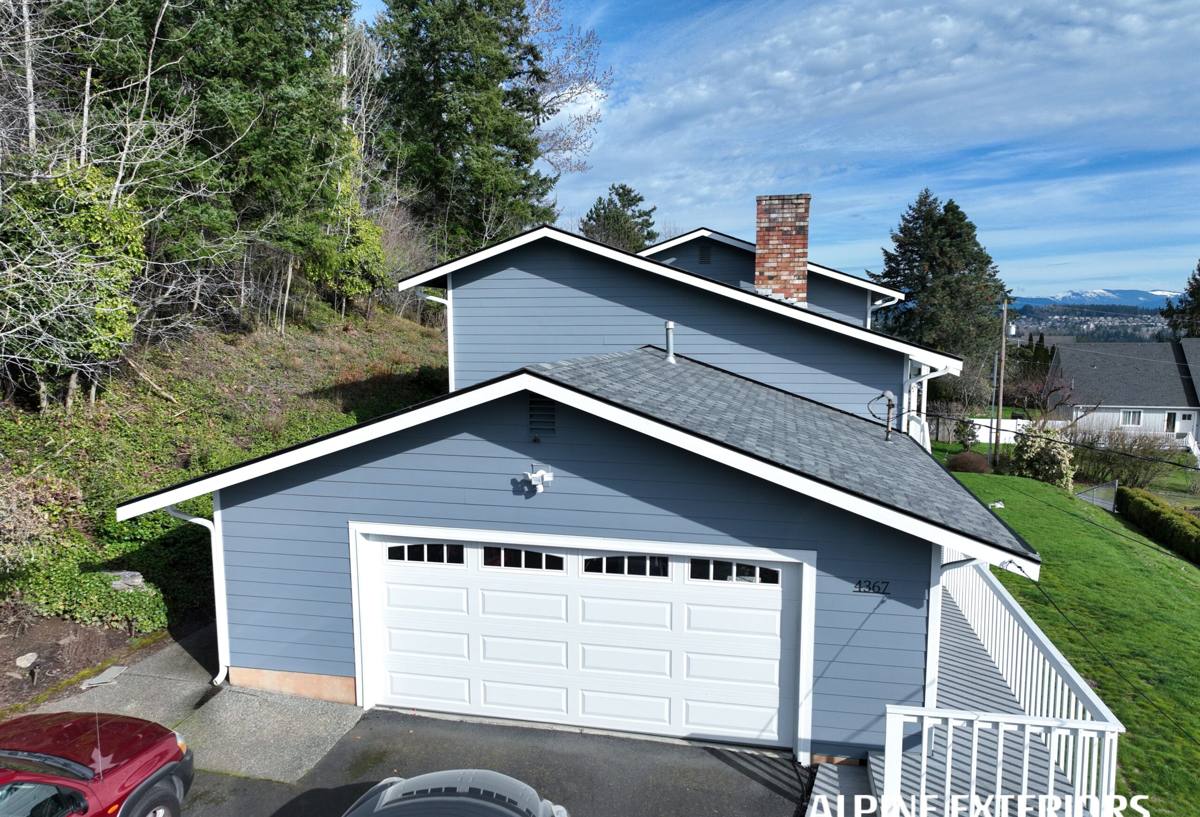
What Storm Damage Actually Looks Like
Not all storm damage is dramatic. Some of the most common issues we find after wind events in this area are easy to miss from the ground:
- Lifted or creased shingles — wind gets underneath the shingle edge, breaks the seal strip, and the shingle no longer lies flat even after the storm passes.
- Torn or missing shingles — usually concentrated at roof edges, ridges, and corners, where wind uplift forces are strongest.
- Flashing separation — around chimneys, skylights, and wall-to-roof transitions, where a small gap lets water track into the structure long after the wind has died down.
- Bruised or fractured shingle mat from hail or wind-blown debris, which may not leak immediately but shortens the roof's remaining service life.
- Displaced ridge or hip caps, often the first thing to go in a strong gust because they sit at the highest wind-exposed point on the roof.
- Soffit and fascia damage from wind pressure differentials, which can let moisture and pests into the attic space even if the main roof field looks intact.
Wind-driven rain complicates all of this. In a normal rainstorm, water runs downhill off a roof. In a Gulf-fed storm with sustained horizontal wind, water gets pushed uphill and sideways under shingle edges, around vent boots, and through any gap that wouldn't normally see moisture at all. That's why a roof with only minor visible wind damage can still develop an active leak during the same storm.
Why Timing Matters More Than People Expect
A damaged roof doesn't stay static. Once the shingle seal is broken or flashing is displaced, every subsequent rain event pushes more water into the roof deck, insulation, and ceiling below. In Pinellas County's humidity, trapped moisture in a roof deck or attic can lead to wood rot and mold growth within days, not weeks. What starts as a repair job can turn into a deck replacement or interior remediation job if it sits too long.
There's also an insurance-side reason to move quickly. Most homeowner policies require damage to be reported and mitigated within a specific window, and insurers expect to see that reasonable steps were taken to prevent further loss — meaning a tarp or temporary seal, not a wait-and-see approach. Waiting doesn't just risk more physical damage; it can also give an adjuster grounds to argue the damage was pre-existing or the result of neglect rather than the storm event itself.
Our Storm Damage Repair Process
1. Inspection and Documentation
We walk the roof (and inspect from ladder or drone when the roof pitch or wet conditions make walking it unsafe) and document every point of damage with photos — torn shingles, lifted flashing, exposed nail heads, granule loss patterns, soft spots in the deck. This record matters whether or not you end up filing an insurance claim, because it establishes exactly what the storm did versus what was already there.
2. Emergency Mitigation
If there's an active leak or exposed deck, we tarp or dry-in the affected area the same visit when possible. This step is about stopping ongoing water intrusion, not a finished repair — but it's often the single most important thing we do, since every additional rain event on an open roof compounds the damage.
3. Scope and Options
We give you a clear picture of what's actually needed: a targeted repair to the damaged section, or — if the damage is widespread, the roof is older, or the shingles no longer match available stock — a broader recommendation. We don't pad scope, and we don't downplay it either. If a repair is genuinely sufficient, we say so.
4. The Repair Itself
Matching shingle repairs correctly means tying the new material into the existing roof properly — correct nailing pattern, proper shingle overlap, re-sealing or replacing flashing rather than just caulking over it, and confirming underlayment integrity in the repaired section. A patch that isn't tied in correctly just creates a new leak point in the next storm.
5. Final Walkthrough and Paperwork
We go over the completed work with you, and if you're working with an insurance claim, we provide documentation formatted the way adjusters expect to see it — before/after photos, scope of work, and materials used.
Repair Scenarios We Commonly See After Wind Events
| Damage Type | Typical Repair Approach | What Drives Cost |
|---|---|---|
| Isolated lifted/torn shingles | Targeted shingle replacement, re-sealing, matching existing coverage | Number of shingle courses affected, shingle age/availability |
| Flashing separation (chimney, skylight, wall) | Remove and replace flashing, not just re-caulk | Roof pitch, access difficulty, flashing material |
| Ridge/hip cap loss | Re-fasten or replace caps along the ridge line | Length of ridge affected |
| Hail bruising with no active leak | Inspection-driven decision: monitor vs. section replacement | Severity and spread of bruising across the field |
| Wind-driven rain intrusion, deck exposed | Emergency tarp, deck inspection and repair, full section re-roof | Deck condition, extent of water intrusion, insulation replacement |
This table is a general guide, not a quote — every roof and every storm event is different, and the only way to know your actual scope is a hands-on inspection.
What a Correct Storm Repair Should Always Include
- Full-roof inspection, not just the area where damage was reported — wind damage is often more widespread than the visible leak suggests
- Photo documentation before and after the repair
- Flashing checked and re-sealed or replaced at every penetration near the repair, not just the shingle field
- Roof deck checked for soft spots or moisture intrusion before new shingles go down
- Matching shingle type, weight, and where possible color/lot to minimize visible patching
- Proper nailing pattern per manufacturer specification — not just "enough nails to hold it down"
- A written scope of work you can keep for insurance or resale purposes
Insurance Claims: Where Contractors Help and Where They Don't
We're not a public adjuster and we don't negotiate your claim for you. What we do is give you an honest, documented inspection you can hand to your insurer or adjuster, and we're available to meet an adjuster on-site if that's useful. Homeowners sometimes get pressure from door-knocking crews after a storm who inflate scope to chase a bigger insurance payout — that approach tends to create problems later, either with the insurer or with the quality of work performed under a rushed, sales-driven estimate. Our documentation reflects what we actually find, nothing more and nothing less.
Why a Local Clearwater-Area Crew Matters for Largo Homes
Storm damage repair work is time-sensitive by nature, and being close matters. A crew based in the Clearwater area can typically respond to a Largo property faster after a storm than a company dispatching from farther away — and in the days right after a major wind event, that response time is often the difference between a contained repair and a much larger water damage problem. Local crews also see the same roofing systems, the same age of housing stock, and the same storm patterns repeatedly, which means we're not guessing at how a given roof type in this area typically fails under wind load — we've already seen it. Pinellas County's building and permitting requirements are also something a crew working here regularly stays current on, which keeps your repair compliant without extra back-and-forth.
Get a Free, No-Pressure Roof Inspection
If your Largo home has visible storm damage, a suspected leak, or you just want a roof checked after a recent wind event, we're glad to take a look. There's no cost and no pressure to move forward — just an honest assessment of what's actually going on up there and what it would take to fix it correctly. Use the form below to request your free estimate.