 Clearwater Roofing
 Deck Building in Oldsmar: What Florida Weather Demands
Oldsmar sits along Tampa Bay in Pinellas County, and that location cuts both ways. Waterfront and near-water lots get the payoff of a deck with a real view, but they also get the full weight of what Gulf Coast weather does to exterior wood and hardware. Between the intense year-round UV, the humidity that never really lets up, wind-driven rain during storm season, and the salt air drifting in off the bay, a deck built with generic materials or a generic plan starts showing problems within a few seasons. A deck built for Oldsmar has to be built for this specific combination of stressors, not just "outdoor use."
This page is about deck building specifically for homes in and around Oldsmar — what the climate does to a deck over time, what a correctly built deck actually involves, how we approach the work, and why it matters to hire a crew that already builds decks in this part of Pinellas County rather than a crew learning the local conditions on your project.
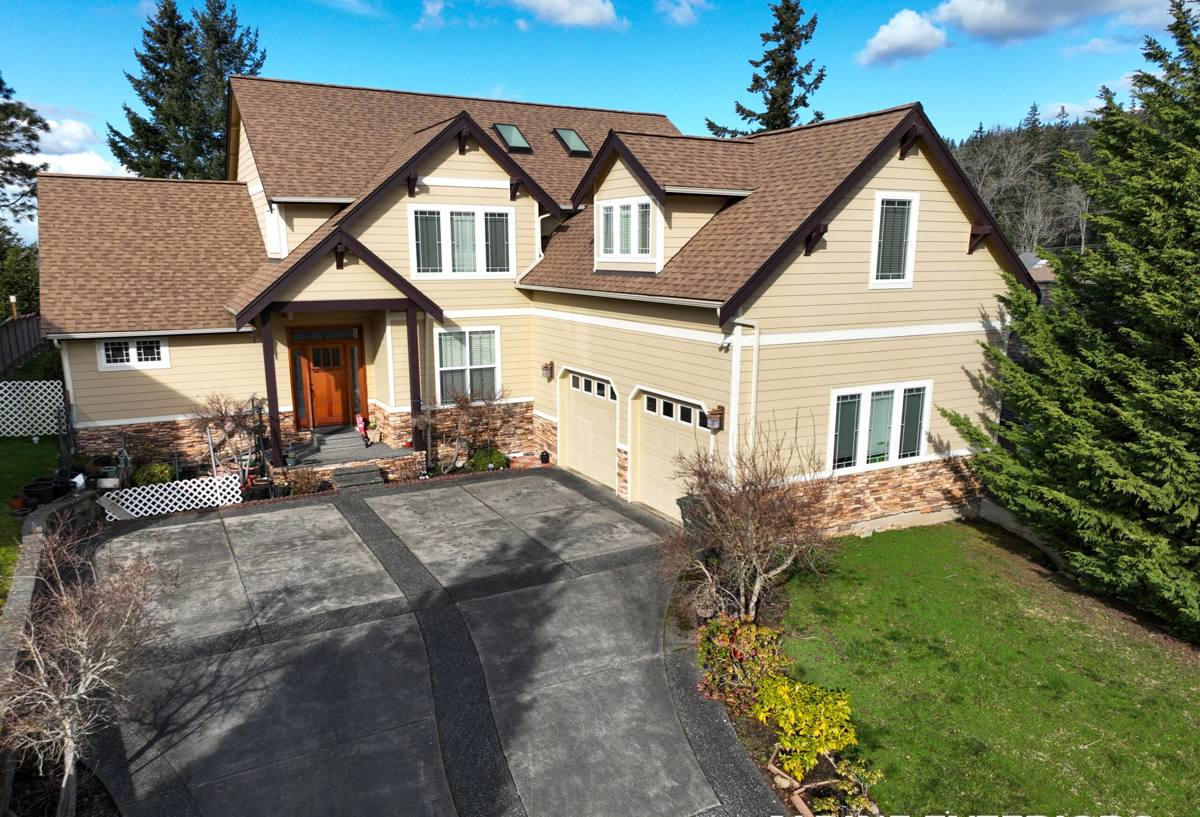
What Pinellas County Weather Does to a Deck Over Time
Every deck failure we get called out to inspect traces back to one of a handful of causes, and almost all of them are accelerated by our specific climate:
- UV breakdown: Florida's sun exposure is intense and constant. Untreated or poorly finished wood grays, splits, and becomes brittle faster here than it would in a milder climate. Composite and PVC products vary a lot in how well their color and surface hold up under this level of UV load.
- Wind-driven rain intrusion: Storms here rarely come straight down. Rain gets pushed sideways into ledger boards, post bases, and any seam that wasn't detailed to shed water. That moisture is what starts rot and corrosion, not simple rainfall.
- Humidity and trapped moisture: Decking that doesn't have proper airflow underneath or gapping between boards holds moisture against the framing. In our climate, that means mildew, mold staining, and softened wood well before a deck is "old."
- Salt air corrosion: Being close to Tampa Bay means airborne salt reaches fasteners, brackets, and any exposed metal. Standard hardware corrodes faster here than inland, which weakens connections at exactly the points that carry structural load.
- Ground contact and moisture at footings: Florida's water table and heavy seasonal rain mean posts and footings deal with more sustained ground moisture than in drier regions, which matters for how a deck's substructure is set and protected.
None of this means a deck can't hold up in Oldsmar — it means the material choices, hardware, and construction details all need to account for it up front.
Signs an Existing Deck Is Already Losing the Fight
- Boards that feel spongy or spring underfoot, especially near the house or at board ends
- Rust streaking around screw heads or bracket hardware
- Gaps opening up between deck boards or visible cupping/warping
- Soft or discolored wood where posts meet the ground or a footing
- Railings that flex or feel loose when leaned on
- Mildew or dark staining on the underside of the deck or in shaded corners
Any of these is worth a professional look before it becomes a safety issue rather than a cosmetic one.
Choosing the Right Decking Material for Oldsmar
There's no single "best" decking material — there's a best material for your budget, your maintenance appetite, and how exposed your deck is to sun, rain, and salt air. Here's how the common options actually compare in this climate:
| Material | UV/Sun Performance | Moisture & Salt Air Behavior | Maintenance |
|---|---|---|---|
| Pressure-treated pine | Fades and grays without regular finishing | Can absorb moisture at cut ends and fasteners if not sealed | Needs periodic cleaning and sealing to hold up long-term |
| Composite decking | Generally holds color better with quality capped products | Won't rot, but lower-grade composites can trap surface moisture and mildew | Low — occasional cleaning, no sealing |
| PVC decking | Strong UV resistance, resists fading well | Fully moisture and rot resistant, good for near-water exposure | Lowest — cleaning only |
| Tropical hardwoods | Naturally dense and UV-tolerant, but color fades to gray without upkeep | Naturally moisture resistant, but installation is unforgiving | Higher — periodic oiling to keep color and prevent surface checking |
For our part, we lean toward composite or PVC systems for most Oldsmar decks, especially anything close to the water or under heavy tree canopy where moisture lingers. That's not a knock on wood — a well-built, well-maintained wood deck can absolutely last here. It's a maintenance-burden and moisture-behavior tradeoff we walk through honestly with every homeowner, because the right answer depends on how much upkeep you actually want to sign up for.
Framing, Fasteners, and the Details That Actually Matter
The decking surface is what you see, but the framing underneath is what determines whether the deck is still safe in ten years. In our climate, a few details separate a deck built to last from one that's building toward a problem:
Ledger Attachment and Flashing
Where a deck attaches to the house is the single most common point of failure we see, because it's also the point most exposed to wind-driven rain running down the wall. Proper flashing that sheds water away from the house structure, rather than a ledger board just bolted flat against siding, is non-negotiable in a climate this wet.
Fasteners and Hardware
Salt air corrodes standard fasteners faster than most homeowners expect. Stainless steel or high-grade coated fasteners and connectors cost more up front but hold their strength far longer near the bay. This is one of those places where cutting cost shows up later as a structural problem, not just a cosmetic one.
Post Footings and Ground Contact
Footings need to be sized and set to account for Florida's soil and moisture conditions, and any wood in ground contact needs to be rated for it. We also build in airflow under the deck where possible, since trapped ground moisture is what quietly rots framing from below while the surface still looks fine.
Wind Resistance
Pinellas County sits in a coastal wind zone, and deck framing — especially railings, stair connections, and how the structure ties back to the house — needs to be built with that in mind, not just to minimum lumber-yard specs. This is also where proper hardware, like structural connectors at key joints, earns its keep during storm season.
Permits and Code in Pinellas County
Deck construction in Oldsmar falls under the Florida Building Code and is subject to local permitting and inspection, which typically covers footing depth, structural connections, railing height and spacing, and stair requirements. This isn't paperwork for its own sake — it's the mechanism that catches undersized footings or missing structural connections before they become a hidden problem behind a finished deck.
We handle the permit process as part of the job: preparing the plans the permit office needs, scheduling required inspections, and making sure the finished structure matches what was approved. A deck built without a permit can create real headaches later — at resale, with insurance, or if the structure is ever questioned after a storm.
Our Deck Building Process
- On-site assessment: We look at your lot, sun exposure, drainage patterns, and how the deck will attach to your home before recommending anything.
- Material and design conversation: We walk through the tradeoffs above in plain terms — budget, maintenance tolerance, and how exposed the space is — and land on a decking and framing plan that fits.
- Permitting: We prepare and submit what's needed and handle scheduling inspections through the process.
- Construction: Footings and framing first, built to the structural details above, then decking, railing, and any stairs.
- Final walkthrough: We go over the finished deck with you, including what maintenance (if any) the material you chose will need going forward.
Maintaining a Deck in Oldsmar's Climate
Even low-maintenance materials benefit from a little seasonal attention here. A short list worth keeping in mind:
- Rinse off salt residue, pollen, and organic debris periodically, especially after storms
- Check fastener heads and visible hardware for early rust or corrosion once or twice a year
- Keep gutters and drainage near the deck clear so water isn't funneling toward posts or the ledger
- If you chose wood, plan on cleaning and resealing on the schedule your specific product calls for — skipping a cycle in this climate shows up fast
- Walk the deck after major storms and check railings and stair connections for any new movement
Why Hire a Crew That Already Works in Oldsmar
A deck builder who mainly works inland, or in a different climate entirely, can still frame a deck that looks fine on the day it's finished. What's harder to get right without local experience is everything that determines how it holds up five and ten years in: the flashing detail at the ledger, the hardware grade that actually stands up to salt air, the footing approach suited to local soil and moisture, and a working relationship with the local permitting process instead of a first-time learning curve on your project.
We build and repair decks across Clearwater and Pinellas County, including Oldsmar, and that repeat exposure to the same climate and code environment is exactly what informs the material and construction choices above. It's the difference between a deck built to pass inspection once and a deck built to still be solid after several hurricane seasons.
If you're planning a new deck in Oldsmar or want an honest opinion on whether an existing one needs repair or replacement, we're happy to take a look. Reach out for a free, no-pressure estimate using the form below.