 Clearwater Roofing
 Why Palm Harbor Roofs Take a Different Kind of Beating
Homes in the Palm Harbor area sit close enough to the Gulf that salt-laden air is a daily fact of life, not an occasional nuisance. Add in intense year-round UV exposure, sudden wind-driven rain squalls, and the real chance of hurricane-force winds during storm season, and you get a climate that ages roofing materials faster than most of the country. A roof that might last three decades somewhere cooler and drier can show real wear here well before that mark, especially if it wasn't installed with this specific environment in mind.
That's the core problem with treating a Palm Harbor roof replacement like any other job. The materials, fastening patterns, and flashing details that hold up here aren't automatically the same ones a crew would use further inland. A correct replacement accounts for salt-air corrosion on metal components, UV breakdown of shingle mat and sealant strips, and wind-uplift resistance sized to Pinellas County's exposure requirements — not just whatever happens to be standard elsewhere.
Palm Harbor also has a mix of roof ages and styles, from older homes due for their second or third replacement to newer construction still on its original roof. The right approach depends on what's actually up there now, not a one-size answer.
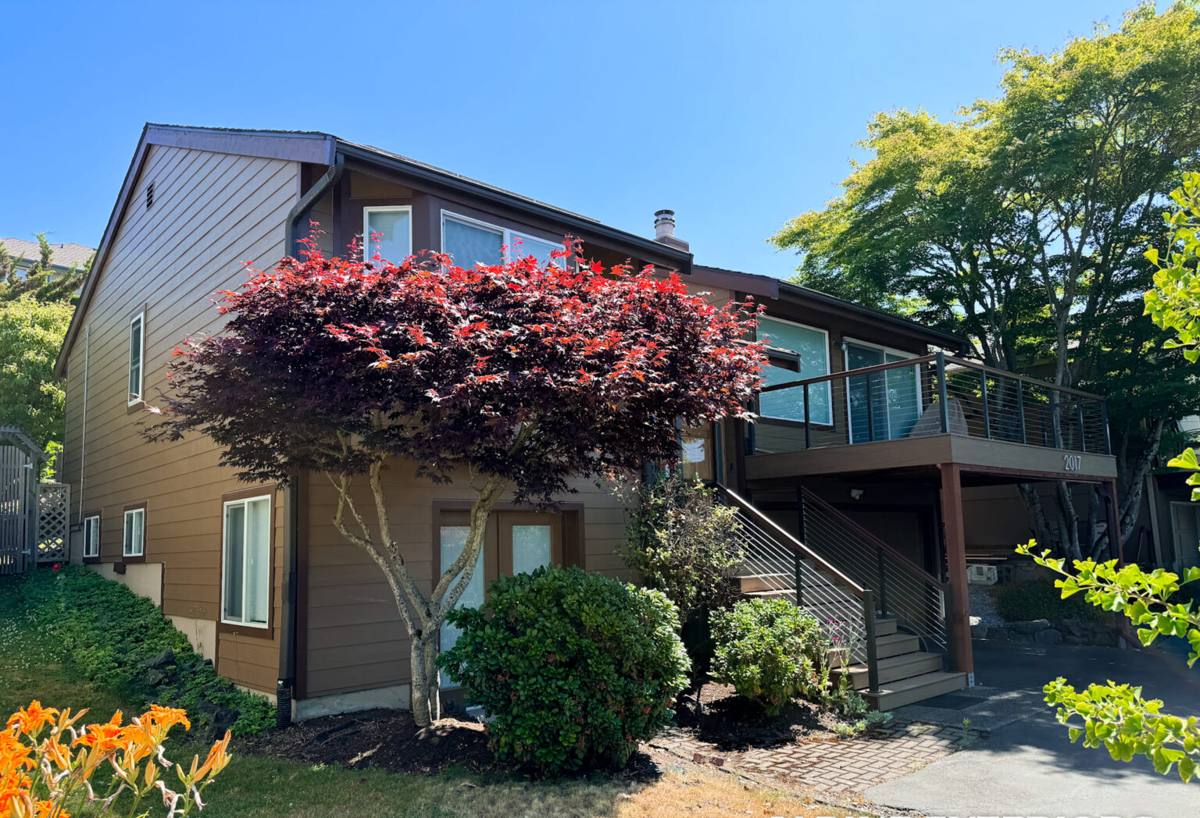
Signs a Palm Harbor Roof Has Reached the End of the Road
Most roofs don't fail all at once. The warning signs build slowly, and in this climate they tend to show up sooner than homeowners expect. It's worth a serious look if you're seeing:
- Granules collecting in gutters or at the base of downspouts
- Shingles that are cupping, curling, or cracking from sun exposure
- Soft spots or slight sagging when walking the roof deck
- Rusted or corroded flashing, vents, or fasteners
- Daylight visible through the attic decking
- Interior water stains that reappear after every heavy rain
- A roof that's 18-20+ years old and has never been fully replaced
Any single item on that list might just mean a repair is enough for now. Several at once, or a roof already past the upper end of its expected life, usually means replacement is the more honest recommendation — patching a roof that's structurally tired just delays the same conversation and adds cost along the way.
What a Correct Roof Replacement Actually Involves
Full Tear-Off and Deck Inspection
We don't install new shingles over old ones, and we don't recommend it to anyone in this climate. A full tear-off is the only way to actually see the deck — the plywood or OSB sheathing everything else sits on. Years of wind-driven rain find their way through aging flashing and old nail holes, and any soft or delaminated decking has to be replaced, not covered up. Skipping this step is how a roof that looks fine on day one fails from underneath five years later instead of twenty-five.
Underlayment and Flashing Built for Wind-Driven Rain
Standard felt underlayment isn't enough for a coastal Pinellas County home. We use synthetic or self-adhering underlayment at valleys, eaves, and penetrations — the spots where wind-driven rain gets pushed sideways and upward instead of just falling straight down. New flashing at every chimney, wall intersection, skylight, and vent pipe is part of a proper job, not an upgrade you have to request separately.
Ventilation Sized to the Actual Attic
Florida attics run hot, and poor ventilation bakes shingles from underneath regardless of how good the material is. We size intake and exhaust ventilation to the specific attic rather than applying a generic vent count, so the new roof gets its full service life instead of an early failure that looks like a material defect but is really a ventilation problem.
Wind-Rated Fastening and Sealing
Nail pattern, nail length, and whether sealant strips actually activate all affect how a roof holds up in a wind event. We install to the fastening schedule the product and Florida Building Code require for this exposure zone, not the minimum that happens to pass a quick inspection.
Roofing Systems: What Actually Fits a Palm Harbor Home
There's no single "best" material for every roof — it depends on slope, budget, how long you plan to stay in the home, and how much upkeep you want to take on. Here's an honest look at how the common options perform in this specific climate:
| Roofing System | Typical Lifespan Here | Wind & Salt-Air Performance | Ongoing Maintenance |
|---|---|---|---|
| Architectural Asphalt Shingle | 18-25 years | Good with a proper wind-rated install; UV exposure and granule loss are the main long-term wear factors | Low — periodic inspection and gutter clearing |
| Standing Seam Metal | 30-50 years | Excellent wind-uplift resistance; needs coastal-grade fasteners and coatings to resist salt corrosion | Low, though fastener and coating checks matter more this close to the water |
| Concrete or Clay Tile | 40-50+ years | Very good once properly fastened; individual tiles can crack from debris impact and need spot replacement | Moderate — the underlayment beneath the tile wears out before the tile itself does |
We'll walk through which of these fits your roof's pitch, your home's structure, and your budget during the estimate, rather than steering you toward whichever one happens to be easiest to install that week.
Why We Don't Cut Corners on Underlayment or Fasteners
It's tempting to shave cost with standard felt underlayment or a lighter fastening pattern, and some crews do exactly that. We don't, because in a climate with this much UV and wind exposure, those are the components that decide whether a roof makes it to year twenty or starts leaking at year eight. The cost difference between doing it right and doing it minimally is real but modest; the difference in how the roof performs during the next tropical system is not.
Our Process, Start to Finish
1. On-Site Inspection and an Honest Assessment
We look at the whole roof system — decking, flashing, ventilation, attic condition — not just the shingles visible from the ground. You get a straight answer on whether you actually need a replacement or whether a repair is the right call for now.
2. A Written Estimate With Real Options
You'll see material options, what's included, and a clear price — not vague allowances that turn into surprise charges once the tear-off has already started.
3. Permitting
Roof replacements in Pinellas County require a permit and inspection. We handle that paperwork and schedule the inspections so you're not left chasing it down yourself.
4. Tear-Off, Deck Repair, and Installation
Old material comes off, the deck gets inspected and repaired where needed, and the new system goes on to the fastening and flashing standards this climate calls for.
5. Cleanup and Final Walkthrough
A magnetic sweep for stray nails, full site cleanup, and a walkthrough so you can see the finished work and ask questions before we consider the job done.
Permits, Wind Mitigation, and Insurance
A new roof isn't only about keeping water out — it can affect your homeowners insurance premium. Florida's wind mitigation inspection documents things like roof-to-wall connections, roof deck attachment, and secondary water barrier, and a properly installed new roof often qualifies for credits that an older roof couldn't. We build to the standard that supports that documentation. The inspection and paperwork for the credit itself go through your insurer, but the roof has to actually earn it first, and that starts with how it's installed.
Why Hiring a Crew That Already Works in Palm Harbor Matters
A roofing crew that regularly works this stretch of the Gulf Coast already knows which flashing details fail first in salt air, which ventilation setups actually keep a Florida attic from cooking the roof deck from underneath, and what Pinellas County's inspectors and permitting process expect to see. That's not something you get from a crew that mostly works a different climate and treats Palm Harbor as an occasional out-of-town job. It shows up in fewer callbacks, fewer surprises at inspection, and a roof that's actually built for the conditions it has to survive.
Keeping Your New Roof Performing for the Long Haul
A new roof still needs basic upkeep in this climate. Clearing gutters and downspouts before storm season, keeping overhanging branches trimmed back, and having the roof looked at after any major wind event are simple habits that catch small issues — a lifted shingle tab, a cracked pipe boot — before they turn into interior water damage. We're glad to point out exactly what to watch for on your specific roof once it's installed.
If your roof is showing its age or you'd just like an honest read on where it stands, we're happy to take a look. Reach out below for a free, no-pressure estimate — no obligation, just a clear picture of your options.