 Clearwater Roofing
 Asphalt Shingle Roofing Built for Safety Harbor's Coastal Climate
Safety Harbor sits along Old Tampa Bay in Pinellas County, and that waterfront location cuts both ways for roofs. Homes here get a beautiful setting, mature tree canopy in many neighborhoods, and a mix of older and newer construction — but they also take a steady beating from salt-laden air, wind-driven rain off the bay, and some of the most intense year-round UV exposure in the country. An asphalt shingle roof that isn't specifically installed and maintained with that combination in mind will age faster here than the same product would in a drier, cooler climate.
We work Safety Harbor regularly as part of our Clearwater service area, and this page covers what actually matters for asphalt shingle roofing on this stretch of Pinellas County: what the climate does to shingles over time, what a correct installation looks like, and how our process works from first inspection to final cleanup.
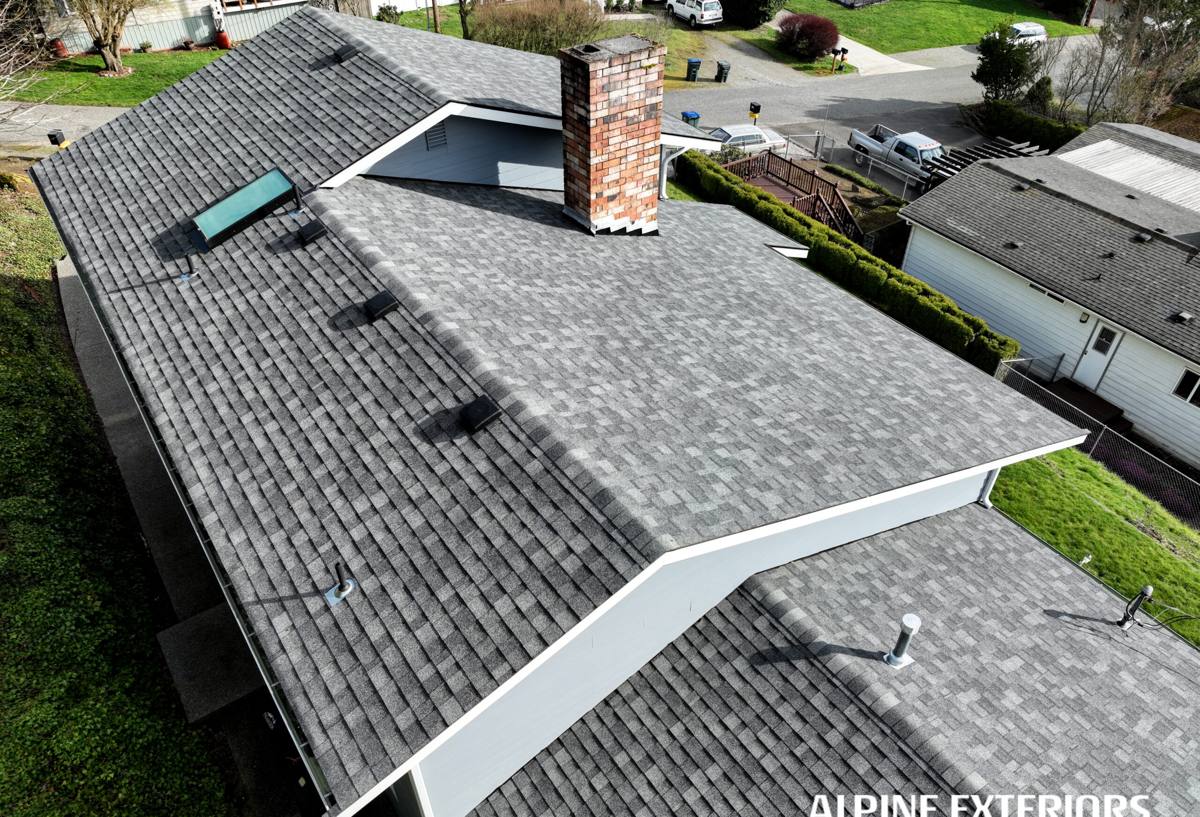
What Coastal Pinellas County Weather Does to a Shingle Roof
Asphalt shingles are a proven, cost-effective roofing material, but they're also a petroleum-based product with an asphalt core and mineral granules on the surface — both of which are directly affected by heat, UV, wind, and moisture. In Safety Harbor's climate, that shows up in a few predictable ways:
- UV breakdown: Florida's sun exposure accelerates the drying and cracking of the asphalt layer, especially on south- and west-facing slopes.
- Wind uplift: Bay-adjacent properties and open lots see stronger gusts than inland, tree-shaded lots. Every hurricane season adds cumulative stress to shingle edges, ridge caps, and flashing.
- Wind-driven rain intrusion: Rain that comes in sideways during storms finds any gap in underlayment, flashing, or nailing that a calm-weather rain never would.
- Salt air corrosion: Metal flashing, fasteners, and vent components corrode faster near the water, which is a bigger factor for Safety Harbor than it is for roofs further inland in the county.
- Humidity and attic moisture: Year-round humidity means poor attic ventilation shows up as premature shingle aging from underneath, not just weather damage from above.
None of this means asphalt shingles are the wrong choice for Safety Harbor — they remain one of the most practical roofing materials for this market when the product, installation, and ventilation are matched to local conditions.
What a Correct Asphalt Shingle Installation Actually Involves
A shingle roof is only as good as the layers underneath it. Most of the roofs we see fail early not because the shingles themselves were bad, but because a step in the assembly was skipped or done to the minimum standard instead of the right standard for this climate.
Deck Inspection and Prep
Before anything goes down, the roof deck needs to be sound — no soft spots, delamination, or rot. Any damaged decking gets replaced, not covered over. This step is invisible once the roof is finished, which is exactly why it's the one corners get cut on.
Underlayment
In a wind-driven rain climate, underlayment is doing more work than people realize. We use synthetic or self-adhering underlayment products suited to high-wind, high-moisture exposure, with attention to lap direction and fastening pattern so wind can't drive water underneath at the seams.
Flashing
Flashing around chimneys, skylights, walls, and roof-to-roof transitions is where the majority of leaks originate — not out in the open field of shingles. Salt air accelerates corrosion on lower-grade metal flashing, so material choice matters here more in Safety Harbor than it would inland.
Nailing Pattern and Fastener Count
Wind rating on a shingle package assumes correct nailing — the right number of fasteners, placed in the manufacturer's nailing zone, not high or low on the shingle. This is one of the most common shortcuts on rushed jobs and one of the least visible until a storm pulls shingles off in strips.
Ventilation
Balanced intake and exhaust ventilation keeps attic heat and moisture from cooking the underside of the shingles. In a humid climate like this one, ventilation is a lifespan factor, not a comfort upgrade.
Shingle Options for Wind and Sun Exposure
Not every asphalt shingle product performs the same way under Pinellas County conditions. Wind rating, algae resistance, and warranty structure all vary by product tier. We walk homeowners through these trade-offs honestly rather than defaulting to whatever is cheapest or whatever has the highest markup.
| Factor | Considerations for Safety Harbor Homes |
|---|---|
| Wind rating | Higher-rated products cost more up front but hold up better to seasonal gusts and tropical systems common to the bay area. |
| Algae/streak resistance | Humidity promotes algae growth on roofs with poor drying conditions or heavy shade; algae-resistant granules help but aren't a substitute for airflow. |
| Color and reflectivity | Lighter shingle colors reflect more heat, which can modestly reduce attic temperatures under intense Florida sun. |
| Warranty structure | Manufacturer warranties often require certified installation methods and specific accessory products to stay valid — details worth reading before assuming full coverage. |
| Fastener and flashing metal | Corrosion-resistant fasteners and flashing matter more near the water than they do further inland in the county. |
We don't install every product on the market. Some options carry moisture or maintenance trade-offs we're not comfortable putting our name behind in a climate this demanding — not because a product is inherently bad, but because it isn't the right fit for wind-driven rain and salt air conditions.
How Our Process Works
- Inspection: We assess the current roof, deck condition, flashing points, and attic ventilation, and document what we find.
- Honest recommendation: Repair versus replacement, and which shingle tier actually makes sense for the home's exposure and budget — no upsell for its own sake.
- Written estimate: Clear scope, materials, and timeline before any work starts.
- Tear-off and deck check: Old roofing removed, deck inspected and repaired as needed.
- Underlayment and flashing installation: Matched to wind and moisture exposure for the property's specific location.
- Shingle installation: Correct nailing pattern and exposure per manufacturer spec, not a shortcut version of it.
- Ventilation check: Intake and exhaust balanced for the attic's actual size and layout.
- Final walkthrough and cleanup: Magnetic sweep for debris and nails, full site cleanup, and a walkthrough so the homeowner knows exactly what was done.
Common Problems We Find on Safety Harbor Roofs
Because we work this area regularly, certain issues show up more often than others:
- Granule loss and thinning on south- and west-facing slopes from sustained UV exposure
- Nail pops and lifted shingle tabs after wind events, especially on roofs where fastening was substandard to begin with
- Corroded or failing flashing around chimneys and wall transitions, accelerated by salt air
- Soft or spongy decking discovered only once shingles are removed, usually from a slow leak that went unnoticed for years
- Poor attic ventilation causing premature aging from the underside, even when the shingle surface still looks decent
Maintenance and What to Watch For Between Inspections
A well-installed shingle roof still needs periodic attention in this climate. Homeowners can catch a lot of early warning signs themselves between professional inspections:
- Granules collecting in gutters or at downspout outlets
- Curling, cracking, or cupping shingle edges, especially on sun-exposed slopes
- Dark streaking or algae growth across shingle surfaces
- Missing or visibly lifted shingles after any storm with sustained wind
- Soft spots felt when walking the attic near the roof deck
- Water stains on interior ceilings or in the attic, even faint ones
- Rust streaks below metal flashing or vent stacks
Catching these early is almost always cheaper than waiting for a leak to show up inside the home. We recommend a professional check after any significant storm and roughly once a year otherwise, more often as a roof approaches the back half of its expected lifespan.
Permits, Codes, and Insurance Considerations
Roofing work in Pinellas County falls under Florida Building Code requirements, which include specific provisions for wind resistance given the state's hurricane exposure. A legitimate roofing job on a home like this should be permitted and inspected according to local code — that's not bureaucratic overhead, it's the mechanism that keeps installation quality accountable. It also matters for insurance: many carriers ask for permit and inspection documentation when a roof claim comes up, and installation that doesn't meet code can complicate a claim later. We handle permitting as part of the job rather than leaving it to the homeowner to sort out.
Why Hiring a Crew That Already Works Safety Harbor Matters
Roofing crews that primarily work inland, drier climates don't always carry the same instincts for wind-driven rain intrusion, salt air corrosion, or the storm patterns specific to bay-adjacent Pinellas County properties. A crew that already works Safety Harbor and the greater Clearwater area on a regular basis has:
- Familiarity with local permitting and Florida Building Code wind requirements as they're actually enforced in this county
- A working sense of which flashing and fastener grades hold up near the water versus further inland
- Experience diagnosing storm damage patterns specific to this coastline, not generic wind damage
- The ability to respond quickly after a regional storm event, rather than being backed up by out-of-area demand
That local familiarity doesn't replace good workmanship — it's what lets good workmanship account for the conditions this roof will actually face, year after year.
Get a Free, No-Pressure Estimate
If you're dealing with an aging shingle roof, storm damage, or you just want an honest read on where your roof stands, we're glad to take a look. There's no pressure and no obligation — just a straightforward inspection and a clear explanation of what we find, using the form below.